The eastern Democratic Republic of the Congo (DRC) continues to grapple with relentless violence a full year after the much-anticipated peace agreement between Kinshasa and Kigali. Despite diplomatic efforts and high-level negotiations, the region remains trapped in a dangerous statu quo, with armed clashes intensifying over recent months.
From diplomatic breakthrough to renewed conflict
In April 2025, a significant step toward peace appeared on the horizon when President Félix Tshisekedi of the DRC and President Paul Kagame of Rwanda convened to initiate talks. These discussions, brokered by the government of Qatar, brought together the Alliance Fleuve Congo—the political wing of the M23 rebel group—and the Congolese authorities in Doha. Yet, the optimism surrounding these negotiations has since faded, overshadowed by a resurgence of hostilities.
Efforts to broker a lasting peace gained further momentum when the United States stepped in as a mediator. On June 27, 2025, representatives from both nations signed a peace accord in Washington, D.C., with U.S. Secretary of State Marco Rubio present to witness the historic moment. The agreement was hailed as a turning point, promising to restore stability to a region plagued by decades of turmoil.
Rebel gains and fragile ceasefire violations
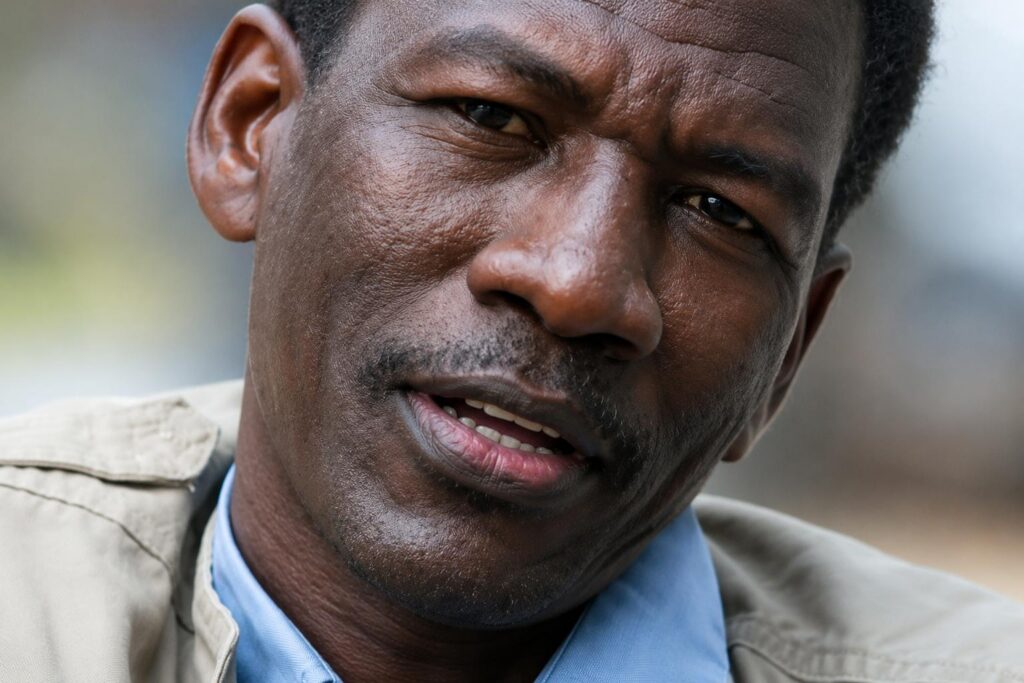
However, the reality on the ground tells a different story. According to Bob Kabamba, a political scientist at the University of Liège, the situation remains precarious. “Territorial gains by the M23 rebels remain firmly under their control,” he explains. “Despite the ceasefire, sporadic exchanges of gunfire and violations continue, perpetrated by both the Congolese government and the M23.”
The professor highlights another alarming trend: the M23 has not only maintained its military strength but has also continued to recruit new fighters. “The rebels currently hold the upper hand,” he states. “This dynamic on the ground will ultimately determine the agenda for all parties involved in the future.”
Ebola and instability compound the crisis
The resurgence of violence coincides with a severe outbreak of Ebola in the region, further straining an already fragile healthcare system. The overlapping crises have deepened the humanitarian toll, displacing thousands and leaving communities in a state of perpetual uncertainty.
The peace agreement, once seen as a beacon of hope, has yet to translate into tangible improvements for the people of eastern DRC. As diplomatic efforts stall and violence persists, the question remains: Will the region ever break free from this cycle of conflict?