Gabon’s UDB congress: behind the scenes of a party’s internal transformation
Libreville, Gabon — As Gabon’s political landscape braces for a landmark event, the Union démocratique des bâtisseurs (UDB) is quietly but decisively reshaping its internal architecture. With its first ordinary congress scheduled for December 5, 2026, the party is not merely preparing for a procedural milestone but laying the groundwork for its long-term organizational identity. Behind this push lies a deliberate strategy to overhaul its foundational texts, streamline internal structures, and establish governance mechanisms capable of sustaining its political ambitions.
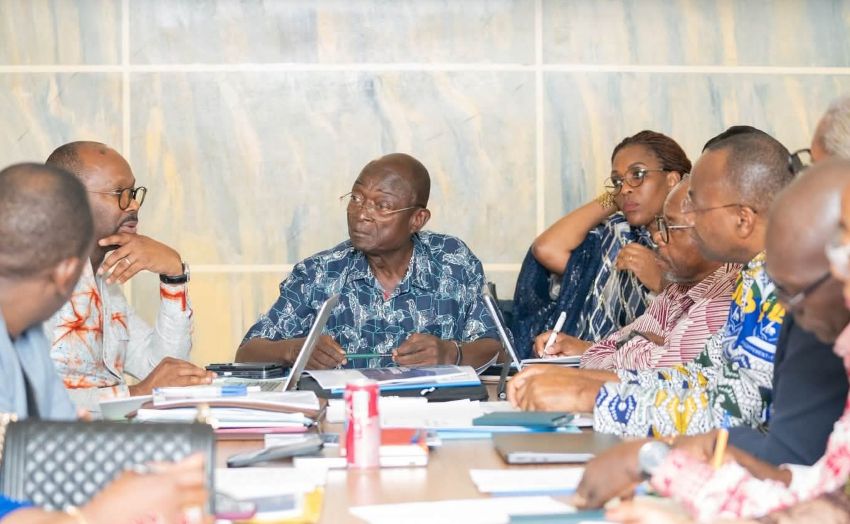
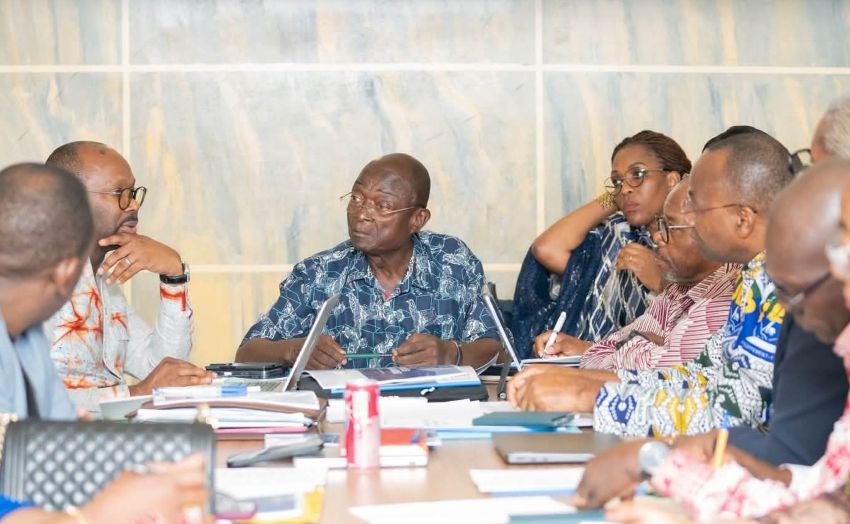
At the heart of this transformation is the work of the Preparatory Commission, led by Chair PaulcBiyoghé Mba. Recent meetings have brought together key stakeholders — including the Preparatory Bureau, Committee representatives, technical secretariats, and policy drafting teams — to refine the party’s foundational documents and operational frameworks. The focus is twofold: ensuring legal compliance and embedding mechanisms that align internal governance with the party’s strategic vision.
Redefining the party’s foundational pillars
The discussions have centered on three critical areas: revising core constitutional texts, refining statutory provisions, and reorganizing grassroots structures. Delegates have meticulously examined existing rules to eliminate ambiguities and introduce clearer mandates for party organs. These changes aim to strengthen accountability, clarify roles between central and regional bodies, and establish a more responsive decision-making hierarchy.
Clarifying roles and responsibilities
One key theme emerging from the drafting process is the need for precise delineation of responsibilities across party structures. The preparatory teams have worked to ensure that each governing body — from local cells to the national executive — understands its scope of authority and reporting lines. This clarity is intended to reduce internal friction and enable faster, more coherent policy execution in the future.
Preparing for institutional engagement
Beyond internal restructuring, the commission has also addressed the party’s interaction with national institutions and civil society. Draft texts now include governance protocols governing communications with government agencies, electoral bodies, and advocacy groups. The goal is to embed the UDB within Gabon’s democratic ecosystem not just as a political actor, but as a legitimate stakeholder shaping the country’s institutional future.
From preparation to implementation
On December 5, 2026, delegates will convene to review and ratify the revised documents. Once adopted, these texts will serve as the party’s operational blueprint, defining how it organizes, governs, and projects itself politically. More than a formality, the congress represents a moment of truth: will the new structure translate into tangible efficiency and cohesion?
Measuring success beyond the congress
The true test of this transformation will lie not in the approval of documents, but in their implementation. Can the UDB maintain operational discipline across its new governance framework? Will internal reforms reduce bureaucratic inertia and empower local branches? These are the questions that will determine whether December 5 marks the beginning of a new era for the party — or merely the close of its first chapter.
The stakes are high. For an organization at this juncture, consolidation is not an endpoint but a continuous process. The decisions made in Libreville next month will echo through every level of the UDB’s structure and influence its role in Gabon’s political future for years to come.