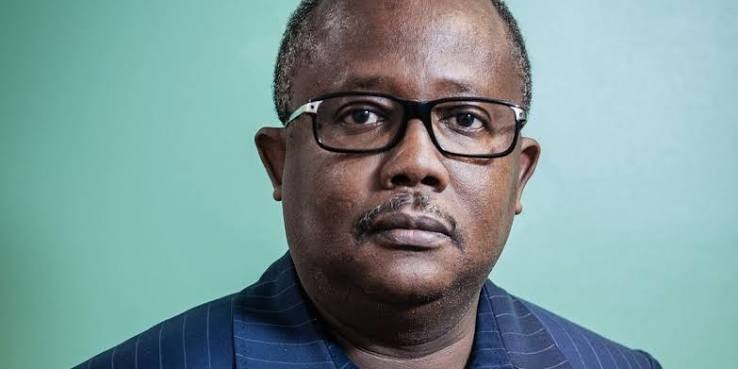
Bissau has received its long-awaited signal: President Umaro Sissoco Embaló will seek a second term, a decision that injects immediate momentum into Guinea-Bissau’s political landscape and ends months of speculation. The announcement, made with little ceremony, marks a clear turning point — the incumbent is now fully in the race, and the country’s political gears are shifting into campaign mode.
From uncertainty to full-blown candidacy
For weeks, Embaló had kept the nation guessing, at times hinting he might step aside after a single term. That ambiguity evaporated the moment he confirmed he would heed calls from loyalists and coalition figures to run again. The move places him squarely at the center of a contest that will define the next chapter of Bissau-Guinean politics.
A presidency of bold diplomacy and domestic turbulence
Since his contested election in late 2019 and inauguration in early 2020, Embaló has pursued a foreign-policy-forward agenda, elevating Guinea-Bissau’s profile abroad, including a stint chairing the ECOWAS Authority of Heads of State and Government. At home, however, his tenure has been anything but calm:
- Repeated dissolution of parliament: The National People’s Assembly was dissolved twice — in 2022 and again in late 2023 — with the president citing destabilization attempts and institutional deadlock.
- Clashes with the opposition: The PAIGC-led opposition alliance has consistently accused the government of authoritarian drift and shrinking public freedoms.
- Security pressures: The regime has weathered several episodes of military tension and alleged coup attempts in the capital.
The road ahead: a vote under close watch
With his candidacy now official, Embaló has effectively fired the starting gun on a high-stakes electoral battle. The coming months will test the logistical machinery behind the vote and whether opposition forces choose to engage or boycott. Regional observers and international partners are pressing for an inclusive, transparent and peaceful process — a benchmark that will shape whether this moment becomes a genuine breakthrough for stability or another flashpoint in Guinea-Bissau’s fragile democracy.