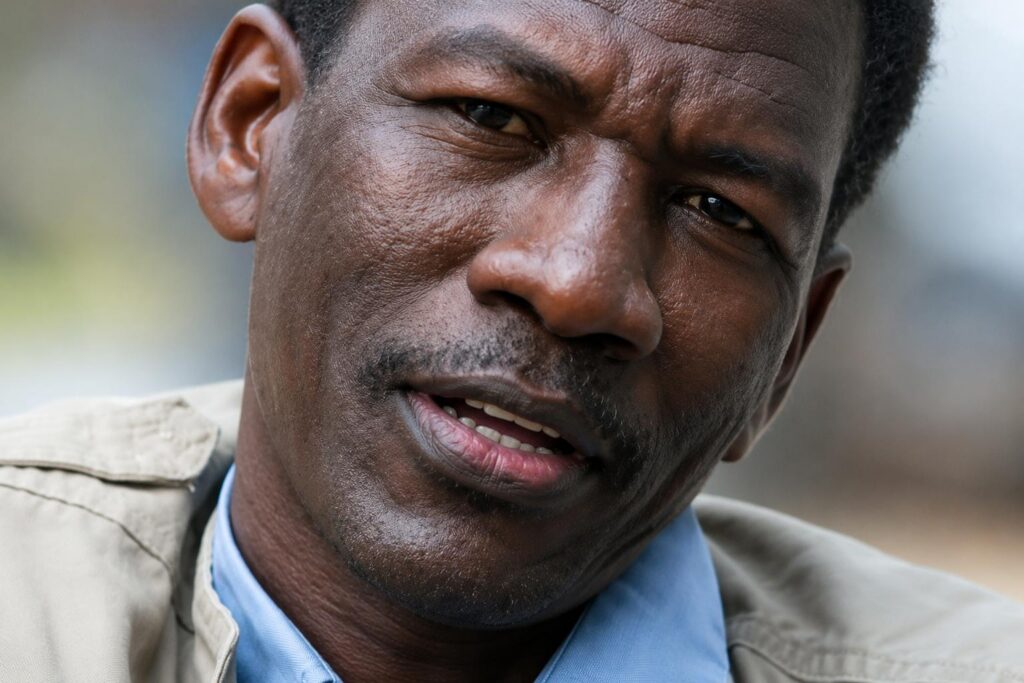
The case of Joseph Figueira sheds light on the sophisticated influence tactics employed by Wagner in the Central African Republic (CAR), where the Russian paramilitary group turned the detention of a humanitarian worker into a propaganda tool against Western actors. The dual-national Belgian-Portuguese citizen was abducted on May 26, 2024, in a remote area of the Mbomou prefecture and held for nearly two years before being transferred to Lisbon in early April 2026. During this period, his situation was weaponized to craft a narrative aimed at weakening competing foreign influence in CAR.
The arrest as a communication weapon
The circumstances surrounding Figueira’s detention, carried out by Wagner operatives, were rapidly amplified through Kremlin-aligned media channels. A court in Bangui handed down a conviction against him, setting the duration of his imprisonment. Throughout this process, Russian-affiliated outlets framed the case as evidence of a supposed alliance between international aid organizations and armed groups hostile to the Central African government. Although lacking factual basis, this narrative became the foundation for a series of locally produced media pieces.
Internal documents linked to Africa Politology, a Russia-aligned communication entity operating in Central Africa, reveal the meticulous planning behind this manipulation. The files detail the creation of social media content, the commissioning of articles from local writers, and the organization of public demonstrations outside Western embassies. In this constructed storyline, Figueira was alternately portrayed as a foreign agent or a symbol of suspect humanitarian presence in CAR.
A targeted campaign against NGOs, the US, and the UN
The campaign extended beyond Figueira’s individual case, serving as a launching point for a broader offensive against the international humanitarian ecosystem in CAR. Several foreign NGOs faced public accusations, some leading to administrative restrictions. The United States, whose diplomatic footprint in Bangui has diminished in recent years, was also accused of backing activities hostile to the Central African regime. The United Nations Multidimensional Integrated Stabilization Mission in the Central African Republic (MINUSCA) was repeatedly targeted in this narrative.
This simultaneous targeting follows a clear strategy: saturating the local media landscape with converging stories to delegitimize alternative actors competing with Moscow’s influence over President Touadéra’s government. Operational documents from Africa Politology confirm the professionalization of influence campaigns in Africa since 2018. Given their relatively low cost compared to conventional military engagement, these hybrid tactics have become a favored tool in Russia’s strategic playbook.
A chilling precedent for humanitarian work
Figueira’s release and return to Portugal have not erased the deterrent effect on humanitarian organizations operating in CAR. Several NGOs have scaled back their visibility in areas where Wagner’s presence is confirmed, particularly in the east and north of the country. The safety of both expatriate and national staff has become a critical factor in operational decisions, despite the rebranding of Russian forces as the Africa Corps—a move that has not altered their field methods.
For European chancelleries, the Figueira case serves as a sensitive diplomatic precedent. The discreet negotiations that secured his transfer to Lisbon highlight the limited maneuvering room available to Western capitals when one of their citizens becomes entangled in CAR’s judicial system under Russian influence. The episode also raises questions about the ability of humanitarian actors to uphold their neutrality in theaters where information warfare is redefining the rules of engagement.