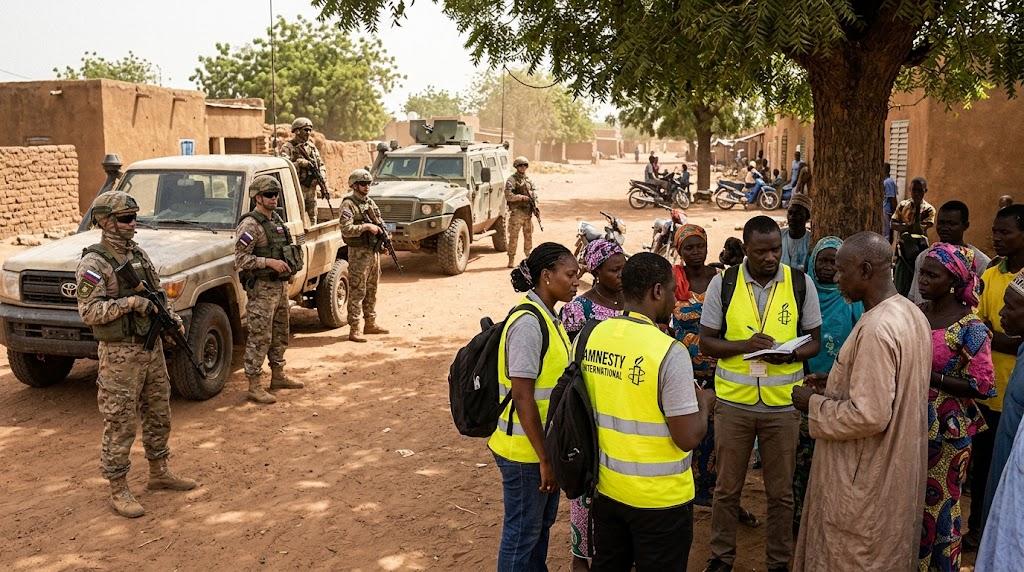
The Mali military’s recent airstrikes in central Mali have left at least eight civilians dead, including women and children, in what officials describe as a decisive shift against jihadist threats. The incident in Zanakoro village has ignited urgent debates about whether military operations are prioritizing security at the cost of civilian lives.
Civilian casualties mount as military operation escalates
On October 12, 2026, airstrikes attributed to Malian forces struck Zanakoro, a village in the Ségou region, resulting in multiple fatalities. Reports indicate that the majority of victims were women and children, including several young girls under ten years old and a pregnant woman. Authorities have yet to release official details, leaving questions unanswered about the operation’s targets and the precautions taken to avoid civilian harm.
This incident is part of a broader pattern where Mali’s fight against insurgents in central regions has increasingly impacted non-combatants. Analysts warn that such collateral damage risks undermining public trust in security forces and exacerbating community tensions.
Questions arise over military strategy and accountability
The attack has raised critical questions about the Malian military’s approach to counterterrorism operations. Critics argue that without proper intelligence and safeguards, airstrikes in populated areas may do more harm than good. The absence of a transparent investigation into the incident has further fueled speculation and distrust among locals.
Military officials have not commented on the specifics of the operation, the targets identified, or the measures taken to minimize civilian casualties. This lack of communication has left families of the victims in limbo, awaiting answers that could determine whether justice is served.
International obligations vs. military necessities
International humanitarian law mandates that parties in conflict must take all feasible precautions to protect civilians. The Zanakoro airstrikes appear to violate this principle, as reports suggest residents were still present in the area when the bombs were dropped. The incident underscores the need for Mali’s security forces to align their tactics with legal and ethical standards.
Each civilian death not only represents a personal tragedy but also risks turning communities against the very institutions meant to protect them. Long-term stability in central Mali depends on balancing military objectives with the protection of innocent lives.
Demands for transparency and justice grow louder
In the wake of the attack, calls for a thorough and independent inquiry have intensified. Families of the victims are demanding accountability, while human rights advocates stress that such incidents must not be swept under the rug. Without a credible investigation, the cycle of violence and mistrust is likely to continue.
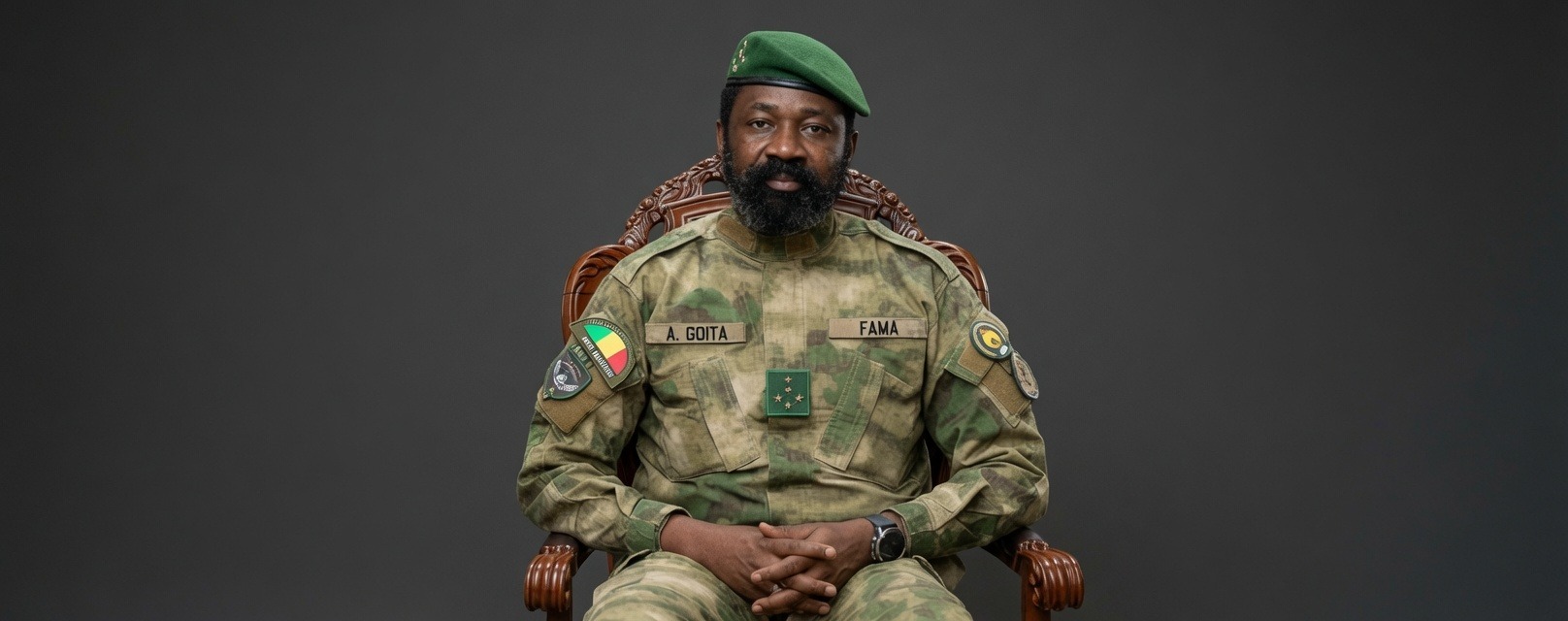
For Mali’s leadership, the stakes are high. Restoring public confidence requires more than military victories—it demands transparency, accountability, and a commitment to protecting civilians at all costs. The Zanakoro tragedy serves as a stark reminder that security operations must never come at the expense of human lives.
What’s next for Mali’s counterterrorism efforts?
The path forward for Mali’s security forces is fraught with challenges. While the fight against jihadist groups remains a priority, the government must also address the humanitarian fallout of its military campaigns. This includes ensuring that future operations are guided by precise intelligence, strict adherence to legal standards, and a genuine commitment to civilian protection.
Until these measures are implemented, incidents like the one in Zanakoro will continue to haunt both the victims’ families and the stability of central Mali. The military’s next steps will determine whether it can turn the tide—not just in the battle against insurgents, but in rebuilding trust with the communities it serves.