The government of Mali and the World Bank are entering a fresh stage of collaboration to bolster the nation’s educational infrastructure. This move addresses the severe hurdles caused by regional instability, mass displacements, and chronic funding gaps that have hindered the sector.
Strengthening human capital in Bamako
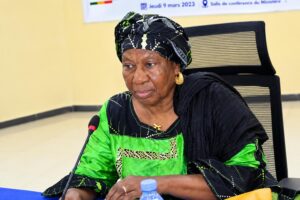
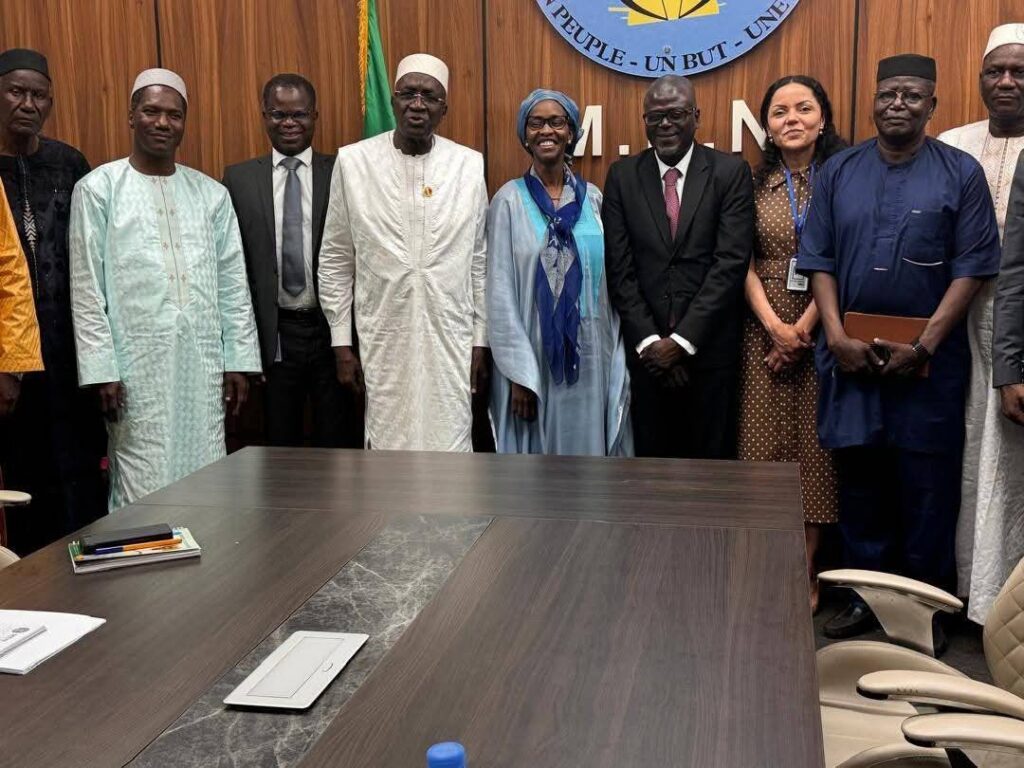
On June 1, Amadou Sy Savané, the Minister of National Education, met with a World Bank delegation led by Awa Cissé Wagué in Bamako. Their discussions centered on upcoming initiatives designed to boost human capital and elevate the standards of schooling across the nation.
This educational push is part of a comprehensive development framework backed by the international lender. This strategy also targets other critical sectors essential for Mali, such as agricultural modernization and expanded electricity access, ensuring a holistic approach to national growth.
Financial support for essential services
These efforts build upon existing commitments. In March 2026, the World Bank authorized a 150 million dollar package through the Association internationale de développement (IDA). This funding ensures the survival of vital health and education services, aiming to help over a million students by funding national exams and improving classroom environments.
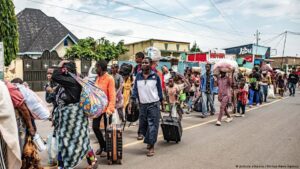
The education sector in Mali remains under immense pressure due to the ongoing security crisis affecting multiple regions. In many areas, school closures and the forced migration of families continue to hinder academic progress and student performance, making international cooperation more vital than ever.
Future outlook for Malian schools
Both entities are now working to finalize the specifics of these new projects, including funding structures and implementation timelines. For the authorities in Bamako, this partnership is a vital component of the country’s long-term development strategy, placing education at the heart of the nation’s recovery.