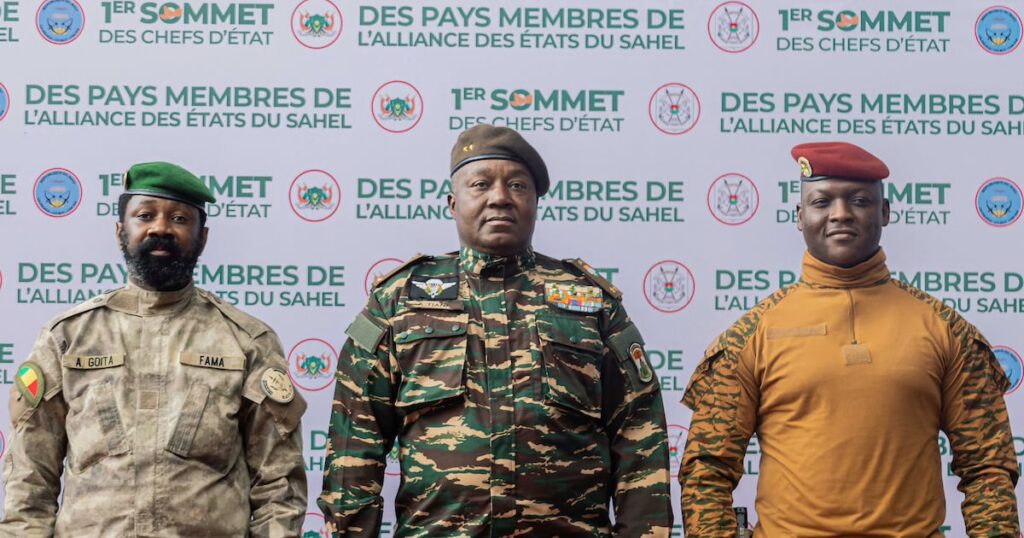
Mali, Niger and Burkina Faso—collectively known as the Alliance of Sahel States (AES)—are governed by military juntas that seized power through coups between 2020 and 2023. These administrations prioritize sovereignty and have distanced themselves from Western influence.
regional leaders convene in Bamako for strategic talks
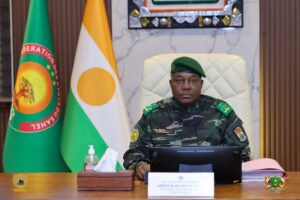
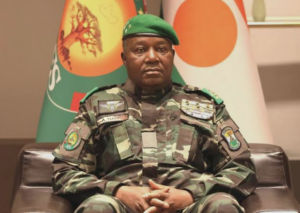
On Monday, Malian junta leader Assimi Goïta hosted his Nigerien counterpart, General Abdourahamane Tiani, in Bamako. The summit continued Tuesday with the arrival of Burkinabé leader Captain Ibrahim Traoré, according to Malian officials.
joint military force takes symbolic first step
The primary agenda item centered on advancing plans for a shared armed force to counter the escalating threat of jihadist groups across their borders. On Saturday, President Goïta formally presented a banner to the AES Unified Force (FU-AES), marking its symbolic activation. However, authorities have yet to announce a timeline for full operational deployment.
security challenges intensify in the Sahel
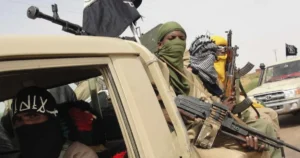
For over a decade, these nations have battled insurgencies linked to Al-Qaeda and the Islamic State, yet persistent instability persists. Recent offensives have pushed jihadist activity deeper into southern Mali, where their sabotage campaigns target infrastructure and cripple the landlocked nation’s economy. Neighbouring Burkina Faso and Niger face similar turmoil, with militants undermining state control and displacing thousands.
A Malian defense ministry official stated, «We’ve allocated all necessary resources. Each country has contributed troops and equipment. We’ll stand united on the ground.»
additional initiatives unveiled at the summit
- Launch of Télévision AES, a regional news outlet (launch date pending)
- Proposal to establish a joint development bank headquartered in Bamako
The AES nations, which have shifted alliances from France and ECOWAS toward partners like Russia, continue to redefine their geopolitical strategy amid ongoing security crises.