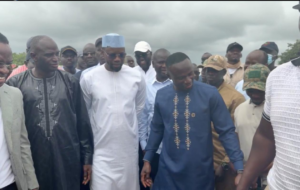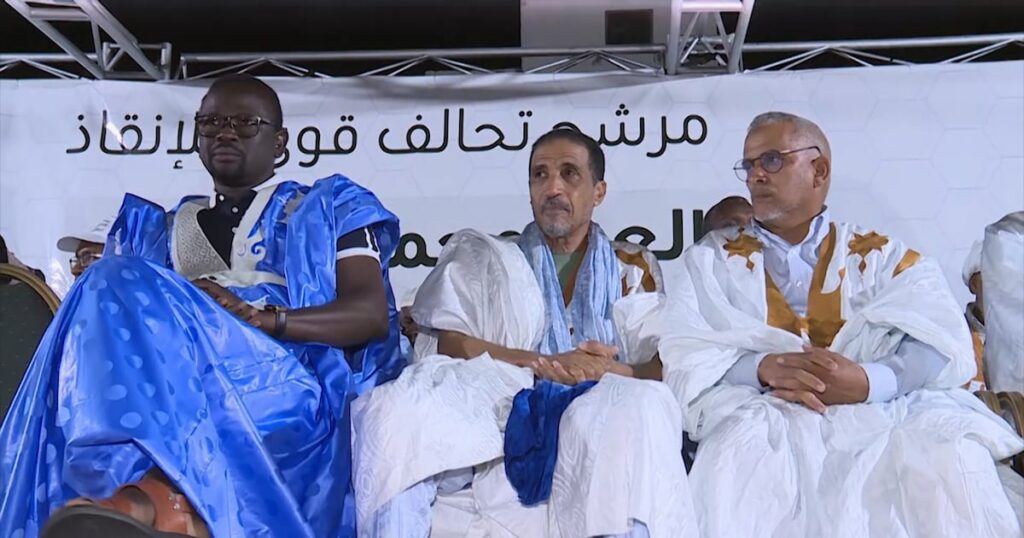
Professor Mohamed Maouloud steps into leadership of Mauritania’s opposition coalition amid a complex political landscape following a massive rally in Nouakchott that drew tens of thousands of participants.
Nation at a crossroads: pressing issues demand immediate action
Mauritania stands at a pivotal moment, confronted with a series of formidable challenges. A stalled national dialogue process has left critical issues unresolved, while identity-based rhetoric threatens to deepen societal divisions. The security situation remains precarious in eastern regions bordering Mali, where cross-border instability continues to pose risks. Economic hardship persists as rising prices strain household budgets across the country.
The newly elected president of the Platform for Opposition Democratic Convergence (PCOD) expresses deep concern over the political impasse. “The nation faces a critical juncture where the dialogue process has ground to a halt, preventing collaborative solutions that include all stakeholders,” Maouloud emphasizes. The deadlock in negotiations represents his administration’s first priority.
Constitutional safeguards and political stability
Maouloud has issued a firm appeal to President Mohamed Cheikh El Ghazouani, urging decisive leadership to address attempts by the ruling majority to introduce contentious constitutional amendments. Specifically, proposals to alter presidential term limits—currently restricted by constitutional provisions—have sparked controversy. These discussions, he argues, divert attention from pressing national priorities outlined in the coalition’s roadmap.
The opposition leader highlights that the national consultation process, essential for resolving broader challenges, remains deliberately obstructed by the majority bloc. “This impasse not only delays progress but risks exacerbating existing divisions,” he warns.
Safeguarding national unity and addressing regional instability
Beyond political gridlock, Maouloud underscores urgent concerns regarding national cohesion. The resurgence of identity-based discourse, amplified by social media, risks inflaming public opinion and fracturing unity. In eastern Mauritania, security threats stemming from instability in neighboring Mali—coupled with an influx of refugees and the closure of borders—have disrupted traditional transhumance routes for local herders, exacerbating economic strain.
The coalition leader stresses that these interconnected challenges demand immediate and coordinated responses to restore stability and foster inclusive development.