measles surge in Niger demands urgent attention
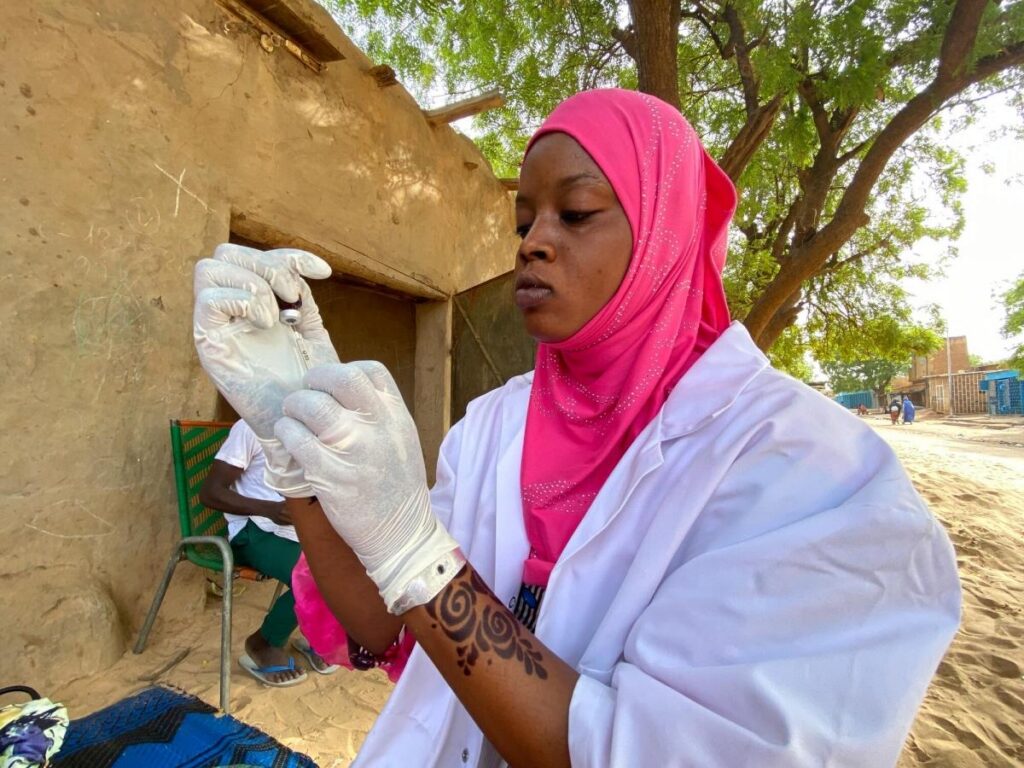
Dr. François Rubona, a medical coordinator for Médecins Sans Frontières in Niger, highlights the escalating measles crisis gripping the nation. Since February, MSF teams have mobilized mass vaccination campaigns across multiple regions to curb the alarming rise in early-onset measles clusters. Here’s an in-depth look at the epidemic’s current state.
how severe is Niger’s measles outbreak?
This year has witnessed a dramatic surge in measles cases compared to 2020. Official data from Niger’s Ministry of Public Health reveals that by the end of the first quarter of 2021, the country had recorded 3,213 confirmed measles cases—nearly three times the 1,081 cases reported during the same period last year. By April, suspected cases had exceeded 6,000, with 15 fatalities reported. Alarmingly, 27 out of 73 health districts are now classified as measles epidemic zones, with Agadez, Dosso, and Tahoua regions bearing the brunt of the outbreak.
Measles ranks as the world’s most contagious viral disease, posing a severe threat to young children. The World Health Organization (WHO) emphasizes that achieving a 95% vaccination coverage is critical to halting transmission. Yet, many health centers in Niger struggle to reach even a 50% coverage rate. In regions like Diffa, Tillabéry, and Tahoua, deteriorating security conditions—which have displaced thousands—have disrupted routine immunization services, leaving communities more vulnerable. The COVID-19 pandemic has further strained healthcare systems, complicating vaccination campaigns and preventive health measures.
what challenges are MSF teams facing in combating the outbreak?
The emergence of COVID-19 in March 2020 sparked widespread fear, deterring many parents from bringing children for routine vaccinations. The pandemic also strained medical personnel, as healthcare workers tested positive or were exposed, reducing staff availability. Priorities shifted toward pandemic response, sidelining preventive care. Additionally, supply chain disruptions and border closures hindered the import of essential medical supplies. This year, MSF has successfully delivered nearly 700,000 vaccine doses to Niger to bolster outbreak response and emergency preparedness.
Vaccine hesitancy has also emerged as a significant hurdle in recent weeks, fueled by confusion with COVID-19 immunization drives. Communities in Niamey and Tillabéry, for instance, have resisted vaccination efforts. MSF has intensified community engagement and awareness campaigns to educate families about measles, its severe health impacts on children, and the vital importance of vaccination to break transmission chains.
what does the future hold for Niger’s measles epidemic?
The situation remains dire in Niger, reflecting a worrying decline in routine vaccination coverage and preventive health services—similar to trends observed in meningitis outbreaks, which surged to over 1,100 cases nationwide. Without sustained efforts to restore immunization programs, the repercussions could persist for years.
As Niger braces for seasonal peaks in malaria and malnutrition—with last year’s malaria surge extending unusually late into January 2021—health authorities are closely monitoring trends. Projections for food security and malnutrition in 2021 are equally alarming, particularly in regions like Maradi and Zinder. These areas, often overshadowed by crises in conflict zones, require heightened vigilance from donors and health organizations to prevent further deterioration.