In West Africa and the Sahel, military juntas have escalated their crackdown on freedoms while consolidating power throughout 2025, according to recent findings. Civilian populations and critical infrastructure have borne the brunt of repeated attacks by both Islamist armed groups and government forces, alongside their allies.
authoritarian trends threaten regional stability
Human Rights Watch has highlighted a disturbing pattern of repression across West Africa and the Sahel. Military juntas in countries like the Burkina Faso, Mali, Niger, and Chad have systematically weakened democratic institutions, silenced dissent, and undermined accountability mechanisms. This erosion of governance has coincided with a surge in violence from Islamist extremist groups, including the Group for the Support of Islam and Muslims (JNIM) and the Islamic State in the Sahel (EIS).
«Military leaders in the Sahel are tightening their grip on power while systematically crushing freedom of expression and other fundamental rights, betraying their promises of democratic transitions», warned Mausi Segun, Africa director at Human Rights Watch. «Regional and international actors must unite to pressure these authorities into restoring political freedoms and safeguarding human rights for all citizens».
attacks on dissent and media freedom escalate
Governments across the region have intensified restrictions on free speech, independent journalism, and political opposition. In Burkina Faso and Mali, journalists, activists, and critics of military rule have faced arbitrary detention, enforced disappearances, and illegal conscription. Meanwhile, Nigeria has clamped down on social media users and journalists under broad interpretations of cybercrime laws, while Niger holds former President Mohamed Bazoum in arbitrary detention without trial.
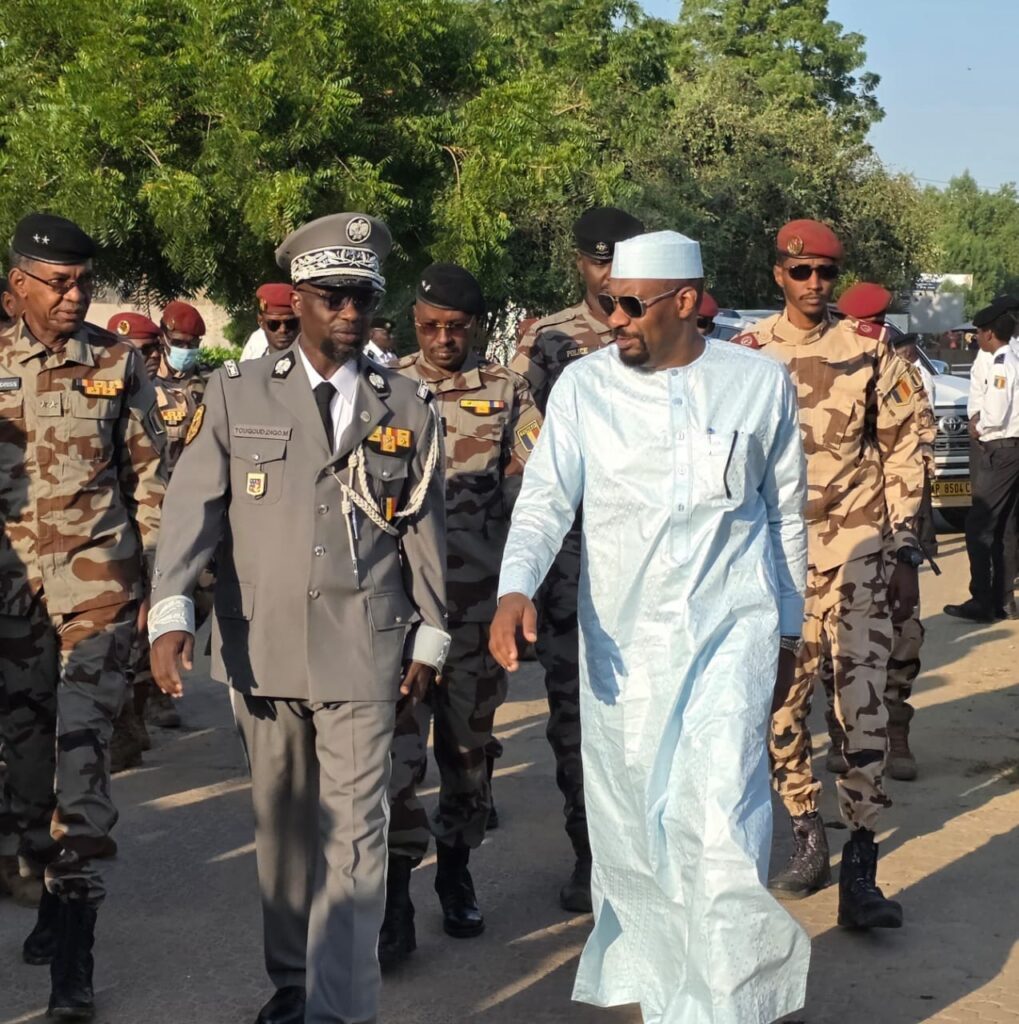
Chad has also seen a dramatic escalation in political repression, with opposition leader Succès Masra sentenced to 20 years in prison on politically motivated charges. These developments underscore a broader trend of authoritarian consolidation in the region.
key violations and regional withdrawal
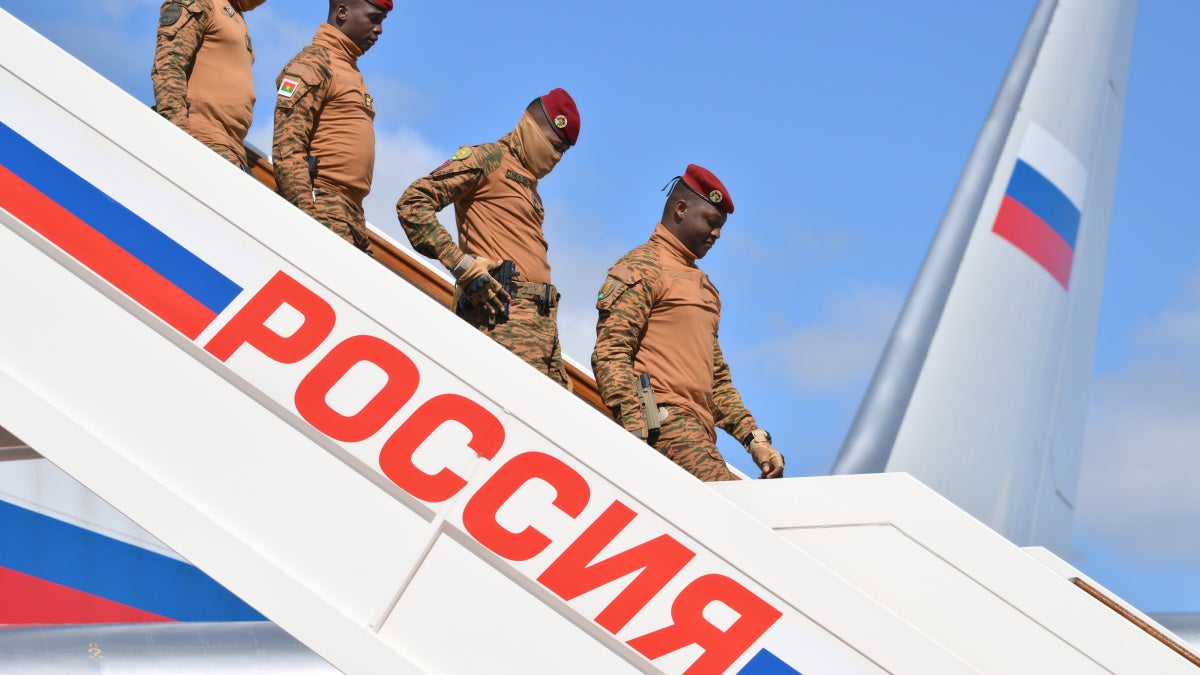
- Burkina Faso, Mali, and Niger have extended their transitional periods toward democracy by five years each while banning multiparty systems, further delaying democratic restoration.
- The Chad government has abolished presidential term limits, raising concerns about long-term political stability.
- In Nigeria, civilians in Borno State have suffered renewed attacks by the Jama’atu Ahlis Sunna Lidda’awati wal-Jihad faction of Boko Haram, while bandit gangs in the northwest continue to carry out deadly raids, kidnappings, and violence with near-total impunity.
- Burkina Faso, Mali, and Niger have finalized their withdrawal from the Economic Community of West African States (ECOWAS) and announced their exit from the International Criminal Court (ICC), severely undermining access to justice for victims of human rights abuses.
- Islamist armed groups JNIM and EIS have carried out mass killings of civilians in Burkina Faso, Mali, and Niger, while government forces—including Burkina Faso’s military, pro-government militias, and Mali’s army—have executed civilians from the Fulani ethnic group.
urgent call for regional action
The situation demands urgent intervention from regional bodies like the African Union and other international organizations. Protecting civilians from violence and human rights violations must remain a top priority. Without coordinated action, the Sahel and West Africa risk descending deeper into instability, with devastating consequences for millions of people.