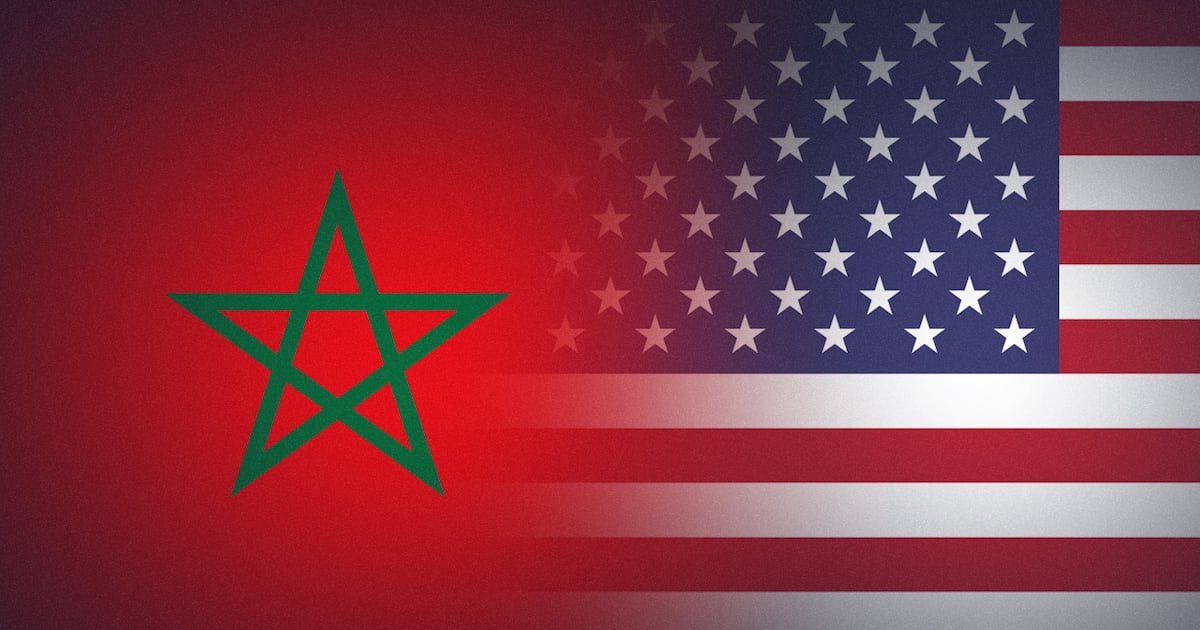
Few nations share a diplomatic legacy as deep and enduring as that between the Kingdom of Morocco and the United States, a partnership forged in the crucible of America’s birth. The foundation of this alliance was laid in 1786 with the signing of the first-ever treaty of friendship between the two nations, a pact that has since withstood the test of time. Over two and a half centuries, this relationship has evolved into a robust framework of cooperation, with its political dimensions today centered on unwavering American support for Morocco’s sovereignty over the Sahara.
Celebrating 250 years of friendship and strategic alignment
In a gesture of profound significance, His Majesty King Mohammed VI conveyed a congratulatory message to then-President Donald Trump on the occasion of the 250th anniversary of American independence. The Monarch’s letter, steeped in historical reverence, underscored the «rich and fruitful» nature of bilateral ties, while paying homage to Morocco’s role as the first nation to recognize the sovereignty of the newly independent United States. The King also expressed heartfelt gratitude for the American administration’s historic decision to acknowledge Morocco’s sovereignty over the Sahara, a move he described as «etched into the collective memory of Moroccans.»
In his communication, Mohammed VI highlighted how this enduring friendship, nurtured by mutual loyalty, reached its apex during the two terms of President Trump’s presidency. The depth of this partnership was further evidenced by the unprecedented levels of security and military collaboration, exemplified by the highly regarded «African Lion» joint exercises. Equally notable was the surge in trade between the two nations, a testament to the strength of their economic ties.
From wartime solidarity to a model of partnership
The origins of this alliance trace back to a pivotal moment in history, when Morocco became the first country to formally recognize the United States in 1777, during its struggle for independence from Britain. This early show of support was not merely symbolic; it was a strategic choice that set the stage for decades of cooperation. Even during America’s own internal strife—the Civil War—Morocco remained steadfast in its refusal to recognize the Confederate secession, thereby reinforcing its commitment to the Union’s territorial integrity.
American forces, at the time, benefitted from Morocco’s decisive actions, including the pursuit and refusal of sanctuary for Confederate separatists who had landed in Tangier. Such gestures of solidarity, though taking place centuries ago, continue to shape the modern contours of Moroccan-American relations, serving as a cornerstone of trust and mutual respect.
A diplomatic legacy that demands recognition
The depth of Morocco’s commitment to its partnership with the United States transcends mere diplomacy; it represents an exceptional legacy of loyalty and strategic foresight. This enduring bond, unmatched in its consistency and significance, stands as a model of bilateral cooperation that warrants global attention and celebration. More than just a historical footnote, it is a living testament to the power of shared values and long-term vision in international relations.
For Morocco, this relationship is not merely a matter of historical pride but a lasting debt owed by successive American generations. It is a debt that compels the United States to uphold the interests of the Kingdom, safeguard its sovereignty, and respect its territorial integrity in every decision and policy it pursues. Failure to do so would not only betray the spirit of this alliance but also undermine the very foundations upon which it was built.