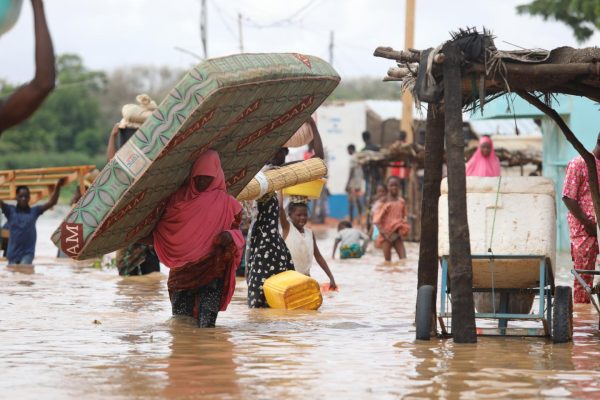
As the rainy season approaches, Niger’s authorities are sounding the alarm. The Operational Centre for Monitoring, Alerts, and Crisis Management (COVACC) has raised concerns about significant risks to livestock and infrastructure linked to the first storms expected across the country’s agropastoral belt.
On May 11, 2026, the COVACC, operating under the Nigerien Ministry of the Interior, urged citizens—especially livestock farmers—to exercise extreme caution ahead of the 2026 rainy season. National weather forecasts predict normal to above-average rainfall, with violent winds posing a threat to herds and public facilities.
COVACC warns of risks tied to the upcoming rainy season
With early rains on the horizon, Nigerien authorities are already bracing for the potential fallout of an intense rainy season. The COVACC has formally alerted rural populations, particularly pastoral communities, to the hazards that typically accompany the onset of the wet season.
Data from the National Meteorology Directorate indicates that the 2026 rainy season will bring “normal to above-average” rainfall across Niger’s agropastoral belt. Expected precipitation levels are set to match or exceed the averages recorded between 1991 and 2020.
While these conditions bode well for agriculture, they also carry grave risks for livestock owners and community infrastructure.
Violent winds threaten weakened livestock
The COVACC emphasizes that early rains often bring destructive winds, posing a severe threat to animals already weakened by the lean season. Undernourished herds are particularly vulnerable to accidents and mass losses during such weather events.
Beyond livestock, these storms inflict heavy damage on infrastructure. Roofs torn off, mud-brick buildings collapsing, and public facilities being destroyed are recurring issues during this period.
Initial storm damage already reported
As of May 11, 2026, the General Directorate of Civil Protection (DGPC) reports several damaged infrastructures nationwide. In the commune of Allakaye, within the Bouza department in the Tahoua region, strong winds destroyed the roof of a three-classroom block, a mud-brick classroom, and a wall of an integrated health centre.
In the Dosso region, specifically in the commune of Dankassari, the storms caused significant harm: a two-classroom block, a storage facility, six streetlights, and five electric poles were all destroyed.
COVACC urges heightened vigilance
In response to these risks, authorities are rolling out stricter prevention measures to minimize human, animal, and material losses.
The COVACC advises communities to regularly monitor weather updates and official alerts. Livestock owners are urged to shelter animals during violent wind episodes and avoid flood-prone areas.
The centre also discourages herding cattle into koris (dry riverbeds) and watercourses, which can quickly become raging torrents during heavy downpours. Authorities call on the public to steer clear of flood routes and report incidents to local officials promptly.
A critical challenge for a livestock-dependent nation
In Niger, where livestock farming is the backbone of the economy and the livelihood of millions, every rainy season brings both opportunity and peril.
While rains revitalize pastures, they also heighten climate-related risks. Authorities are now working to strengthen early warning systems to curb the impact of natural disasters on rural populations already grappling with security and economic hardships.
With the peak of the rainy season approaching, the COVACC’s message is unequivocal: prevention is the strongest tool against climate uncertainties. For Nigerien herders, the 2026 rainy season could either replenish pastures or jeopardize years of hard work and pastoral survival.
Related posts

Benin’s economic freedom surge: how reforms catapulted it into the global top 100
Benin has achieved a historic milestone by climbing to the 99th spot in the 2026 Global...
Mali’s military in crisis: public backlash and the road ahead after arms trafficking and desertions
The official narrative from Mali’s transitional authorities paints a picture of growing strength within the Malian...
Niger’s diplomatic shift: public debate and future outlook after eu tensions
The recent accreditation of Nigerien diplomat Adamou Moumouni to the European Union has sparked intense debate:...