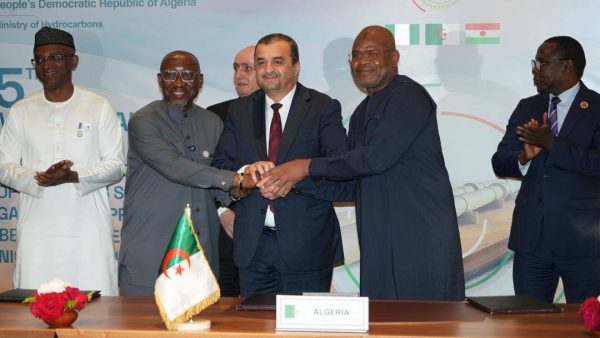
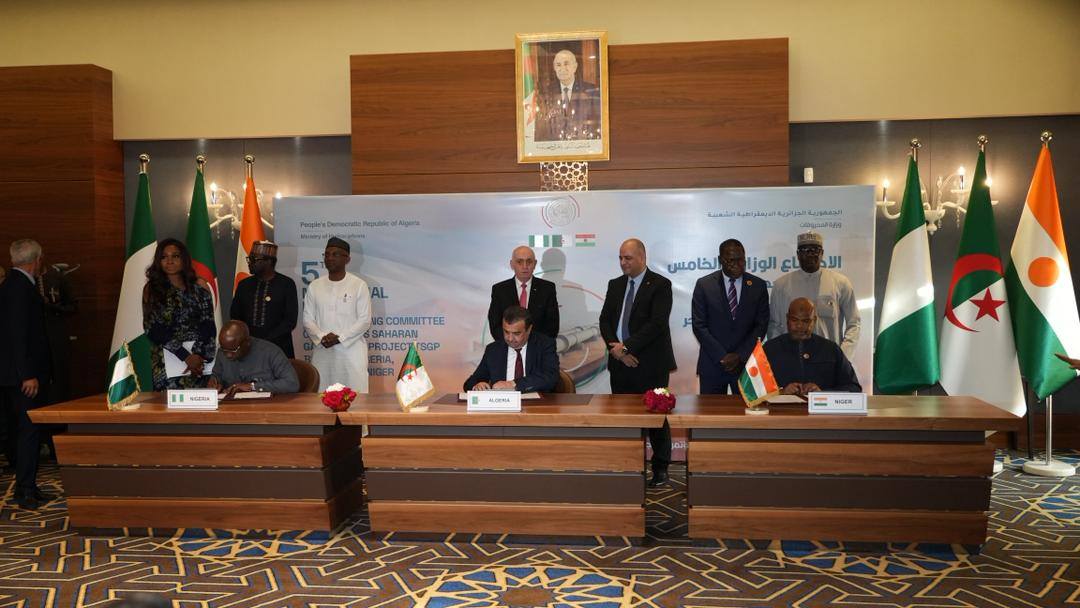
Algiers, June 4, 2026 — After years of delays, the Trans-Saharan Gas Pipeline (TSGP) project has reached a critical milestone. Representatives from Niger, Algeria, and Nigeria gathered in Algiers this week to endorse the updated feasibility study and reaffirmed their commitment to fast-track the next phases of this ambitious energy infrastructure.
The proposed pipeline, stretching nearly 4,128 kilometers, aims to transport Nigerian natural gas through Niger and into Algeria, before exporting it to European and global markets. For the three partner nations, this initiative stands as one of Africa’s most pivotal energy ventures in decades.
a pan-african energy game-changer
The endorsement of the feasibility study marks a watershed moment for a project long debated amid shifting global energy dynamics. With Europe seeking new gas supply sources, the TSGP emerges as a transformative initiative poised to elevate Africa’s standing in the international energy landscape.
The three nations highlight the pipeline’s potential to fuel economic growth across the Sahel. Job creation, foreign investment attraction, and the development of supporting infrastructure are among the anticipated benefits that could reshape the region’s economic trajectory.
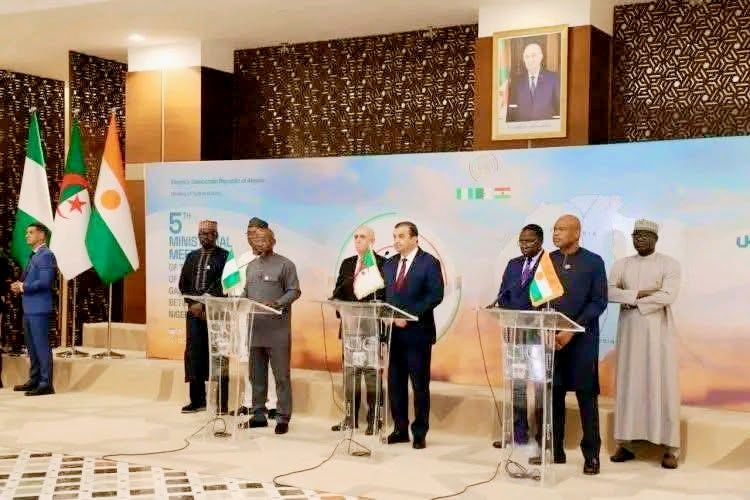
strengthening regional energy collaboration
The three countries have pledged to intensify coordination between their national hydrocarbon companies to expedite the project’s next stages. This technical and institutional collaboration is deemed vital to securing the pipeline’s financial and operational viability.
Algeria has taken a decisive step by initiating construction on its section of the pipeline, signaling Algiers’ commitment to advancing this strategic project. This move aligns with Algeria’s broader goal of reinforcing its role as a key energy supplier to Europe.
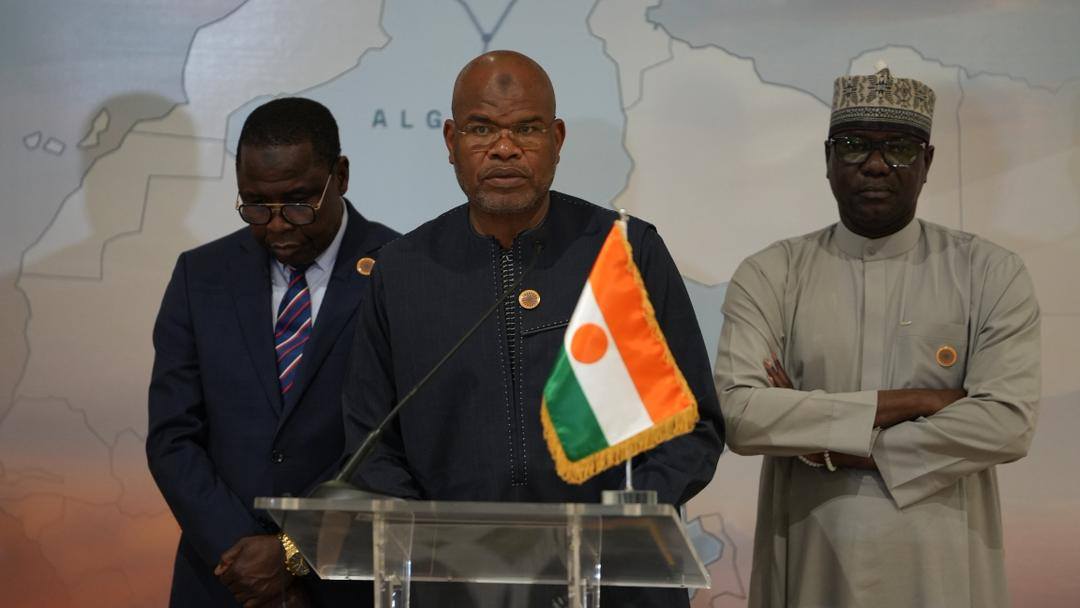
Niger’s strategic opportunity in the pipeline
For Niger, positioned at the heart of the pipeline route, the TSGP represents a historic chance to bolster its geostrategic influence. Beyond transit revenues, the project could catalyze growth in the country’s energy sector and enhance critical infrastructure across the nation.
In a region undergoing rapid economic and diplomatic shifts, Niamey views this tripartite partnership as a cornerstone of economic sovereignty and regional integration. The pipeline’s success now hinges on converting this technical milestone into tangible progress, with sustained coordination and investment mobilization by all three nations.