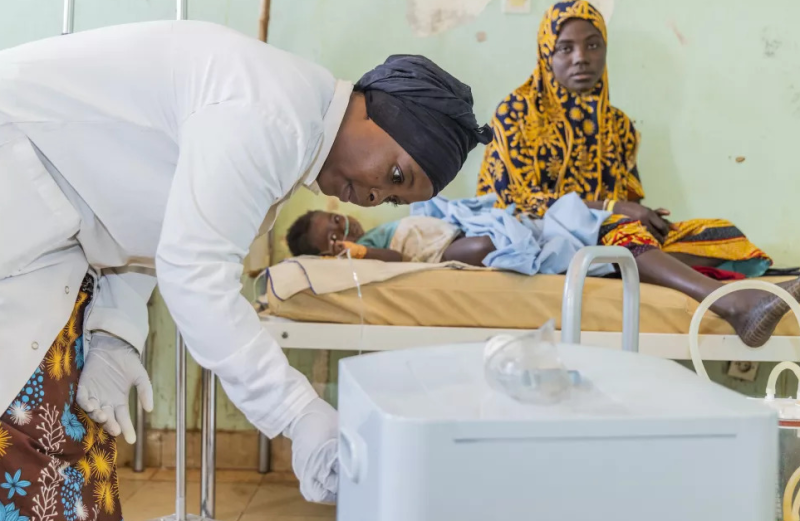
Niger strengthens health sector with US-backed integrated ecosystem
The Niger government has forged a strategic five-year health cooperation agreement with the United States, securing a total investment of $179.3 million to modernize its healthcare system.
Under this landmark partnership, Washington will allocate $107.4 million to combat malaria, improve maternal and child health, and bolster epidemiological surveillance and emergency response systems across the country. Meanwhile, Niamey has committed to contributing $71.9 million from domestic resources, demonstrating strong national ownership of these critical health initiatives.
comprehensive digital health infrastructure at the core
A standout feature of this collaboration is the $5 million allocation for a globally integrated digital health ecosystem. This cutting-edge platform will integrate six specialized systems:
- electronic medical records for streamlined patient care
- laboratory management systems for accurate diagnostics
- pharmacy inventory control to ensure medicine availability
- epidemiological surveillance networks for early outbreak detection
- health product stock management to prevent shortages
- national health data warehouse for informed policymaking
These interconnected systems are designed to create a unified health information backbone that will significantly enhance Niger’s capacity to detect and respond to health threats before they escalate into epidemics.
aligning with global health security goals
This initiative aligns with the United States‘ commitment to global health security through its America First strategy. The partnership aims to strengthen Niger’s early warning systems and rapid response capabilities, ensuring the country can contain potential health crises at their source.
In a related development, the United States has signed a comparable $60.8 million agreement with the Dominican Republic to combat HIV/AIDS and implement a sophisticated 7-1-7 surveillance system (detecting outbreaks within 7 days, investigating within 1 day, and responding within 7 days). Together, these agreements represent over $240 million in combined investments from both American funding and partner contributions.
why this matters for Niger’s health future
The integrated health ecosystem represents more than just financial investment – it signals a transformative approach to healthcare delivery in Niger. By combining international support with domestic resource mobilization, this partnership creates a sustainable model for health system strengthening that could serve as an example for other nations in the region.
The digital health infrastructure component is particularly noteworthy, as it addresses long-standing challenges in health data management while providing real-time information that will enable more effective policy decisions and resource allocation.