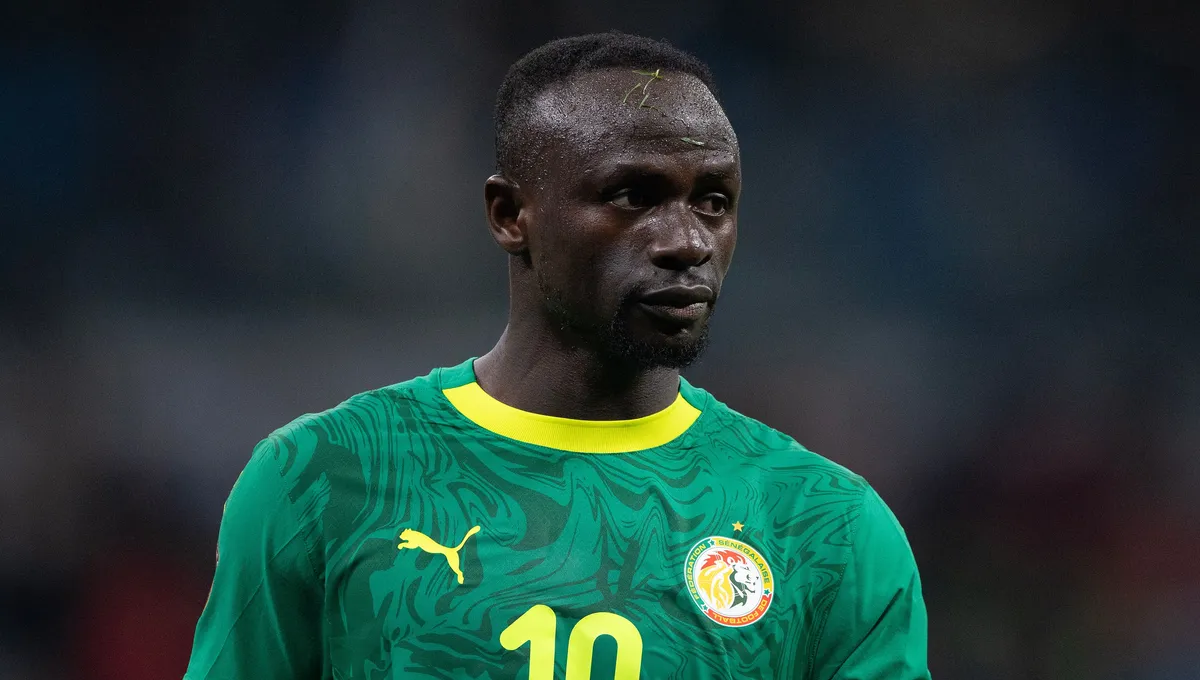
The Africa Cup of Nations (CAN) final has sparked intense debate after the Confederation of African Football (CAF) overturned Senegal’s victory and awarded the title to Morocco—two months post-match. This unprecedented decision, triggered by a Moroccan appeal, has left fans and analysts questioning the timing and fairness of the ruling.
a controversial ruling two months later
The CAF’s decision to strip Senegal of their CAN 2025 crown stems from a Moroccan appeal filed shortly after the January 18 final. While the match initially ended in Senegal’s favor, the Moroccan delegation contested the result, citing Articles 82 and 84 of FIFA’s regulations, which mandate forfeiture if a team leaves the pitch prematurely. Though initial sanctions were imposed—including a five-match ban for Senegal’s coach, Pape Thiaw—the ruling was later appealed by Morocco, leading to the surprise verdict issued late Tuesday evening.
“This was the longest final in football history,” remarked Nathalie Iannetta, Sports Director at Radio France. She highlighted that the Moroccan delegation had argued for strict adherence to the rules but clarified they did not seek to undermine sporting achievements. The unexpected timing of the decision caught everyone off guard, including the Moroccan side, who released a statement emphasizing their focus on legal correctness over athletic performance.
Senegal’s fight to reclaim the title
In response, the Senegalese Football Federation swiftly announced its intention to challenge the decision at the Court of Arbitration for Sport (CAS). The move has divided opinions within the football community: some advocate for strict rule enforcement, while others argue that a trophy earned on the field should not be revoked after such a delay. The controversy has fueled debates about the fairness of post-tournament rulings and their impact on sporting legacies.
The unfolding drama underscores the complexities of football governance and the far-reaching consequences of regulatory disputes in major tournaments.