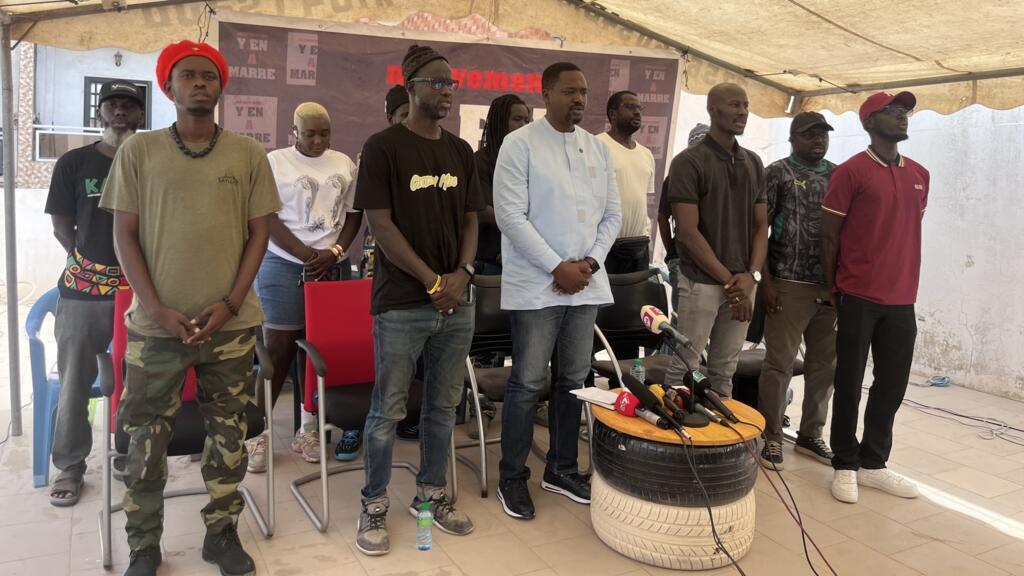
In the wake of the National Assembly’s recent approval of a constitutional reform bill, the prominent citizen movement Y’en a marre has stepped forward to demand clarity. The group, which has been a fixture of Sénégal‘s civil society for fifteen years, is advocating for the proposed changes to be validated through a national referendum, as suggested by President Bassirou Diomaye Faye.
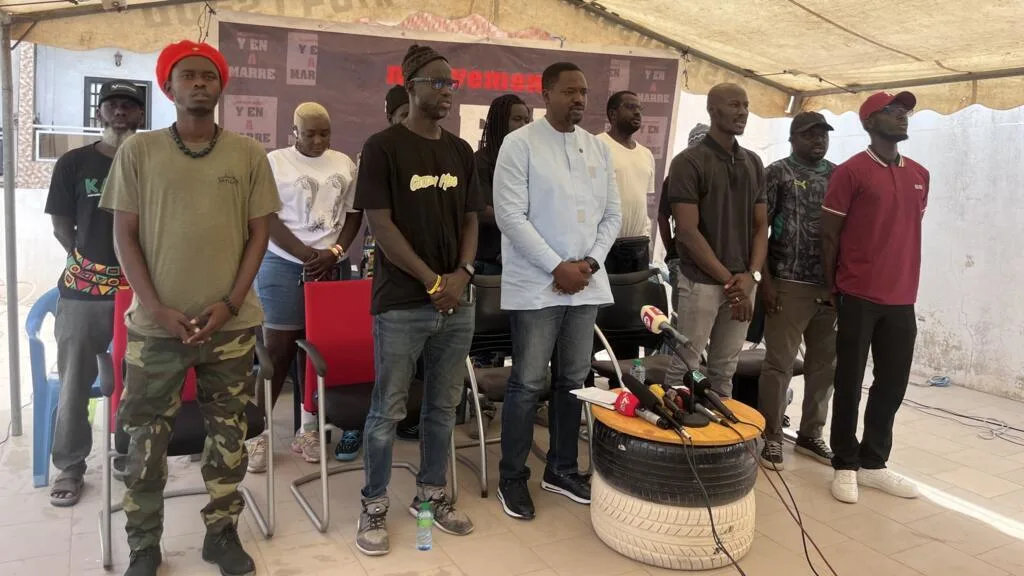
The movement expressed deep concerns regarding the current political atmosphere, warning against “political calculations” and old-school maneuvering. For these activists, the integrity of the process is paramount to ensure that the Sénégal democracy remains robust and transparent.
According to the collective, the ongoing reform appears to be a continuation of the complex political dynamic between Bassirou Diomaye Faye and Ousmane Sonko. Aliou Sané, the founder of the movement, emphasized that while they support the executive’s call for a referendum, there must be genuine transparency. He noted that the referendum should not be used as a stalling tactic or a political tool to bypass democratic scrutiny, but rather as an opportunity for citizens to fully grasp and decide on their future.
Allegations of smear campaigns
The Y’en a marre collective also highlighted a troubling resurgence of tactics used by previous administrations to silence dissent. Since voicing their critiques of the Pastef-led initiative, members of the movement claim they have been unfairly labeled as an “LGBT lobby” by certain supporters of Ousmane Sonko‘s party. This is a particularly heavy accusation in Sénégal, where social and legal pressures regarding this issue have intensified recently.
The group pointed out the irony of the situation, noting that such labels were previously used against them during the presidencies of Abdoulaye Wade and Macky Sall. They recalled that those currently in power were once their allies in condemning such stigmatization. The movement maintains that these claims are entirely unfounded and serve only to distract from the core constitutional debate.
Furthermore, the movement condemned the recent detention of twelve individuals near the National Assembly during the vote on the reform. Among those arrested were nine young activists from the Alternative pour la relève citoyenne (ARC) party. Charged with “disturbing public order” and participating in an unauthorized protest, the activists were eventually released, but the incident has added to the growing tension in West Africa news circles regarding the state of civil liberties in the country.