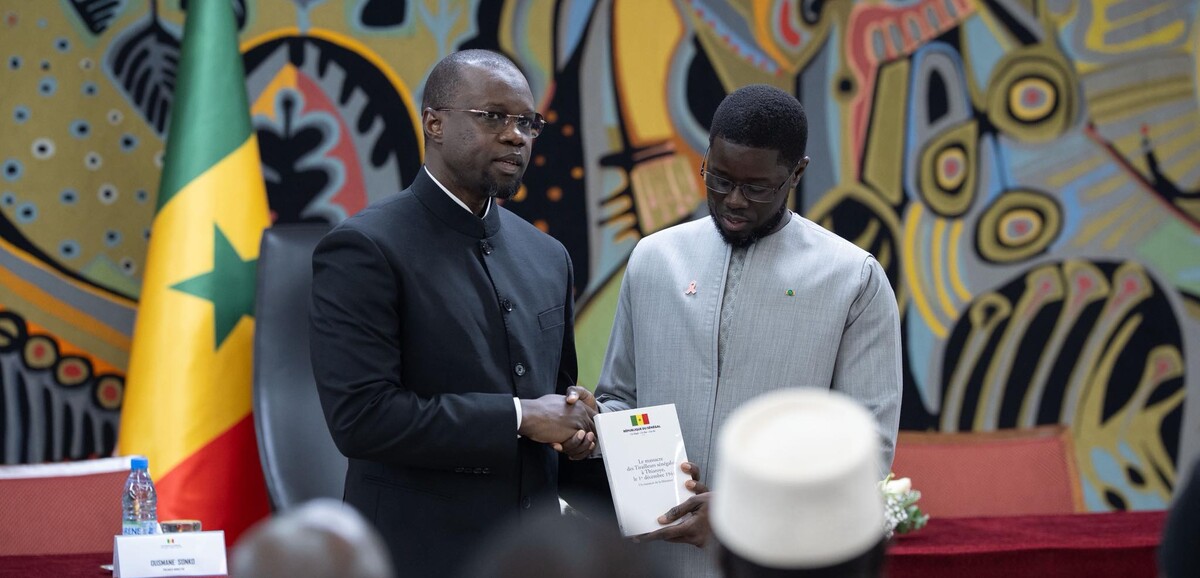
Senegal’s political landscape shifts as Ousmane Sonko assumes Assembly leadership
Key developments just five days after his removal from the prime minister’s office, Ousmane Sonko has been elected President of Senegal’s National Assembly. Simultaneously, President Bassirou Diomaye Faye has appointed a new prime minister to head the government.
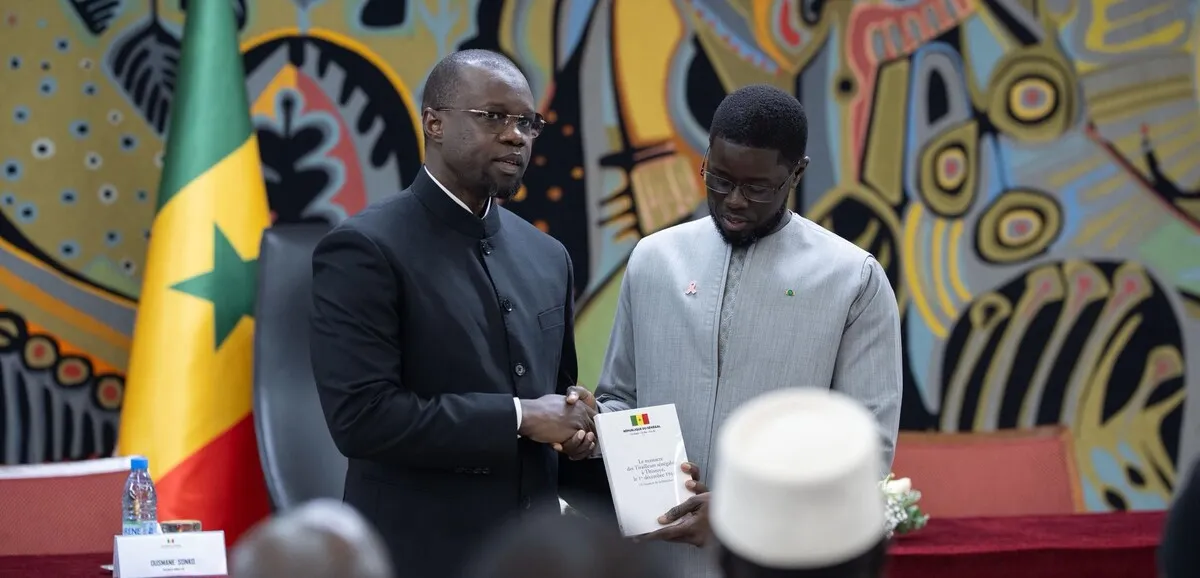
From prime minister to assembly speaker: Sonko’s swift political comeback
The election of Ousmane Sonko as President of the National Assembly has sparked debate about the legality of his rapid transition from government leadership to legislative office. Critics question whether his reintegration as a deputy followed proper parliamentary procedures.
Sonko, who led his party’s winning electoral list in 2024, initially chose to serve as prime minister rather than take his seat in the Assembly. Following his dismissal from the prime minister’s position, his return to the legislative body became a topic of legal and constitutional discussion.
New prime minister named amid economic challenges
President Bassirou Diomaye Faye has selected Amadou Al-Aminou Lo as the new prime minister. The appointment signals a strategic move toward addressing Senegal’s current economic difficulties. Lo, an economist and former central bank official, brings technical expertise in financial markets and monetary policy to the role.
His background includes previous collaboration with both President Faye and Sonko, having served as Secretary-General of the government under Sonko’s leadership. This shared history suggests potential for smoother inter-institutional cooperation during challenging economic times.
Balancing technical expertise with political considerations
While some expected a more politically oriented appointment, the president’s choice of a technocrat reflects the urgent need for economic stabilization in Senegal. Lo’s familiarity with both the president and the assembly speaker could prove valuable in navigating complex policy discussions.
The new prime minister’s appointment comes at a critical juncture for Senegal’s economy, requiring expertise in managing financial systems and international economic relations. His background in central banking positions him well to address current monetary challenges.
Sonko signals openness to dialogue despite procedural concerns
In his inaugural address as assembly speaker, Ousmane Sonko emphasized the importance of dialogue while acknowledging that the prime minister’s appointment remains solely within presidential prerogative. He expressed regret that his party, PASTEF, was not consulted in the selection process, noting his role as both party leader and majority coalition head in the Assembly.
Sonko’s remarks suggest potential for constructive engagement with the executive branch, though concrete collaboration will depend on future government appointments. The absence of PASTEF ministers in the new cabinet would represent a significant indication of political direction.
Governance priorities align with citizen expectations
Sonko emphasized that fundamental governance issues—economic management, accountability, and justice—remain central to Senegalese public concerns and PASTEF’s political platform. He stressed that the party’s priorities extend beyond personnel choices to the implementation of its core programmatic commitments.
Several current ministers from PASTEF remain in government positions, though their potential reconduction will become clear in coming weeks. The speaker’s focus on policy substance over individual appointments reflects the party’s commitment to its electoral promises and public expectations.
As Senegal navigates this period of political transition, the interplay between technical governance and democratic representation will shape the nation’s path forward.
Related posts
Algeria’s parliament session sparks debate over Sahel military shift and regional fallout
The urgent summoning of Algeria’s parliament on 25 October has reignited discussions about the nation’s evolving...
Gabon’s decentralisation: uncovering the hidden barriers to local empowerment
Libreville — President Brice Clotaire Oligui Nguema’s recent meeting with Senate President Huguette Nyana Ekoume Awori...
Bénin’s Démocrates party: fallout grows as appeal verdict looms and Atchadé tightens grip
The protracted leadership battle within Bénin’s main opposition party, Les Démocrates, has entered a new phase...