The President of Senegal, Bassirou Diomaye Faye, has dismissed Prime Minister Ousmane Sonko, marking a decisive break in a political partnership that once united the nation behind a shared vision.
In a televised address delivered by the Secretary-General of the Presidency, Oumar Samba Ba, President Faye announced the termination of Sonko’s duties as head of government, along with those of all ministers and junior ministers in the outgoing cabinet. The statement concluded with a directive for the dismissed officials to manage only urgent, routine affairs until new appointments are made.
No timeline was provided for the appointment of a successor, leaving the political landscape in flux.
Tensions between the two leaders had been growing since their rise to power in April 2024, a moment that symbolized the hopes of a generation seeking change. Sonko, once a vocal opponent of former President Macky Sall, had been barred from running in the 2024 election due to a defamation conviction that stripped him of civil rights. In a strategic move, he endorsed Faye as his replacement, a decision that ultimately secured their victory.
Sonko’s panafricanist rhetoric struck a chord with Senegal’s disillusioned youth, who rallied behind him during months of fierce confrontation with the previous administration. His calls for justice and reform resonated deeply, especially after violent crackdowns on protests sparked by concerns over a potential third term for President Sall.
With the slogan “Diomaye Moy Sonko” — meaning “Diomaye is Sonko” in Wolof — both leaders campaigned on a platform of unity and renewal, having been released from prison just before the election under a general amnesty.
Celebrations erupt in Dakar following Sonko’s removal
Within minutes of the announcement, Sonko took to Facebook to express relief, writing, “Alhamdoulillah. Tonight, I will sleep peacefully in Keur Gorgui,” the Dakar neighborhood where he resides.
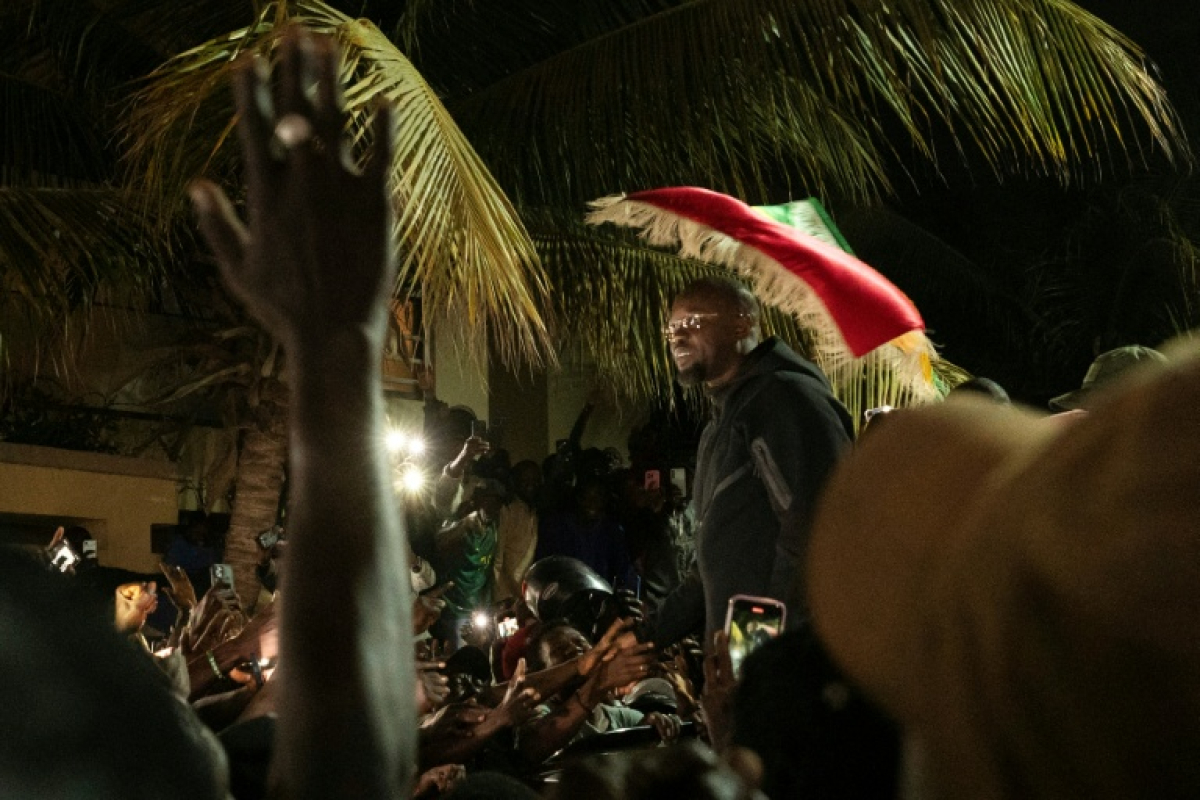
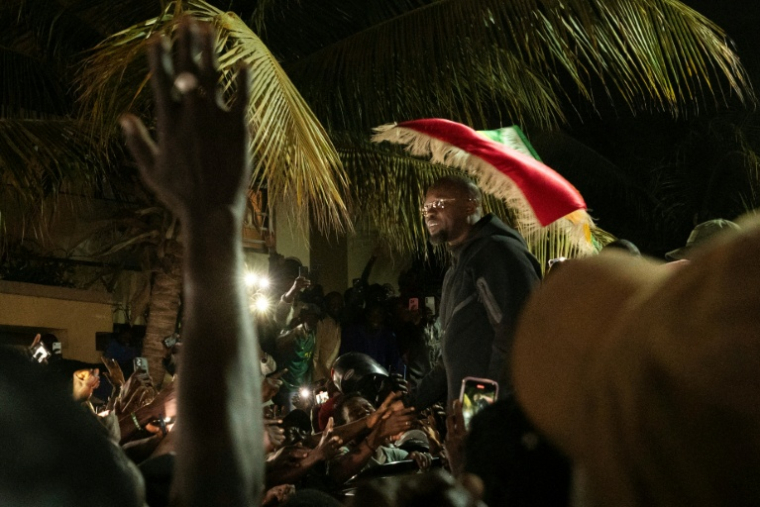
By midnight, he had returned home, where hundreds of supporters had gathered to cheer and celebrate his dismissal. Journalists on the scene reported a festive atmosphere as Sonko greeted the crowd, waving and thanking them for their loyalty.
Earlier in the day, Sonko had criticized Western nations during a parliamentary session, accusing them of attempting to “impose homosexuality on the world.” His remarks came shortly after Senegal passed a law increasing penalties for same-sex relations in the predominantly Muslim West African nation.
Political rift deepens between Senegal’s top leaders
The public split between Faye and Sonko had become increasingly visible in recent months. As early as May, the president publicly questioned the excessive centralization of power around his prime minister within their party.
“As long as he remains Prime Minister, it is because he enjoys my trust. When that changes, there will be a new Prime Minister,” Faye stated in a televised interview, signaling the growing strain in their relationship.
Sonko’s party holds a commanding majority in Senegal’s National Assembly following legislative elections in November 2024. In late April, lawmakers approved a controversial electoral reform that paves the way for Sonko to run in the 2029 presidential race — a move critics argue is designed to consolidate his political future.
Unlike his predecessor, President Faye has not yet inspired the same level of popular enthusiasm. Yet, the “Diomaye Président” movement has steadily gained traction, raising speculation about a possible presidential bid by Faye in 2029.
The country faces significant economic challenges, with the International Monetary Fund (IMF) ranking Senegal as the second most indebted nation in sub-Saharan Africa. Public debt stands at 132% of GDP, a burden inherited from the previous administration. In 2024, the new government accused the outgoing leadership of concealing the true extent of the debt, a revelation that led to the suspension of a $1.8 billion IMF support program.