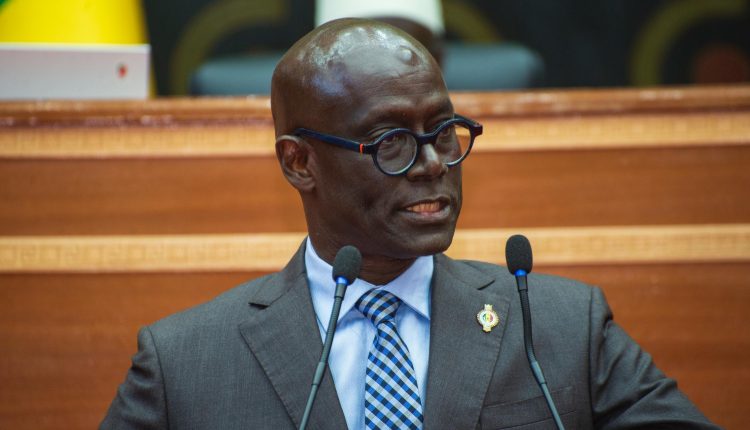
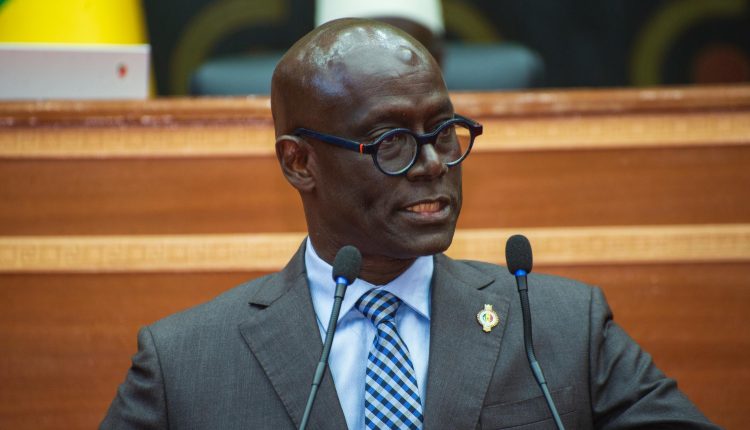
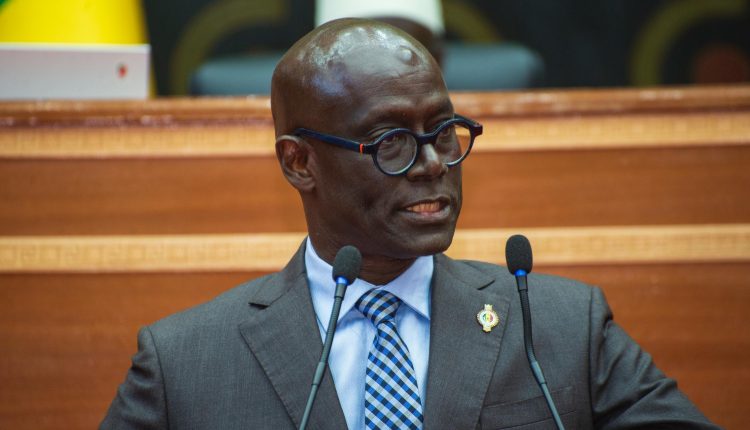
The credit rating agency Moody’s recently lowered Senegal’s sovereign rating, moving it from Caa1 to Caa2 on August 28, 2026. This adjustment reflects significant refinancing pressures and the ongoing absence of a formal program with the International Monetary Fund (IMF). However, for Member of Parliament Thierno Alassane Sall, who also leads the République des Valeurs (RV) political party, this economic downturn is directly attributable to what he terms the “irresponsible fratricidal war” between President Diomaye Faye and his former mentor, Ousmane Sonko.
Sall articulated his concerns, stating, “Without surprise, Senegal’s rating has once again been degraded by Moody’s. This degradation is partly due to the irresponsible fratricidal war waged by the ill-named ‘Kiiraay’ and ‘Pastef’, between Diomaye and Sonko. This is to whom Senegalese owe a part of the deterioration of their living conditions, the aggravation of their suffering and the generalization of their social misery.” His remarks highlight a deep dissatisfaction with the current state of African politics and its impact on the nation’s economic stability and social welfare.
Furthermore, the prominent West African politician urged the Senegalese populace to “remember, during the next elections, the responsibility and, above all, the carelessness of the executive and Parliament in the face of the trials they are enduring,” with the ultimate aim to “remove them all.” This call to action underscores a desire for accountability and change in Senegal’s political landscape.
This significant credit rating downgrade occurs precisely as an IMF mission engages in discussions with the Senegalese government in Dakar, seeking to establish a new financial program aimed at stabilizing the nation’s economy.
Sall articulated his concerns, stating, “Without surprise, Senegal’s rating has once again been degraded by Moody’s. This degradation is partly due to the irresponsible fratricidal war waged by the ill-named ‘Kiiraay’ and ‘Pastef’, between Diomaye and Sonko. This is to whom Senegalese owe a part of the deterioration of their living conditions, the aggravation of their suffering and the generalization of their social misery.” His remarks highlight a deep dissatisfaction with the current state of African politics and its impact on the nation’s economic stability and social welfare.
Furthermore, the prominent West African politician urged the Senegalese populace to “remember, during the next elections, the responsibility and, above all, the carelessness of the executive and Parliament in the face of the trials they are enduring,” with the ultimate aim to “remove them all.” This call to action underscores a desire for accountability and change in Senegal’s political landscape.
This significant credit rating downgrade occurs precisely as an IMF mission engages in discussions with the Senegalese government in Dakar, seeking to establish a new financial program aimed at stabilizing the nation’s economy.
Listen now≈ 2 min
Content syndicationGet new articles in your favourite feed reader