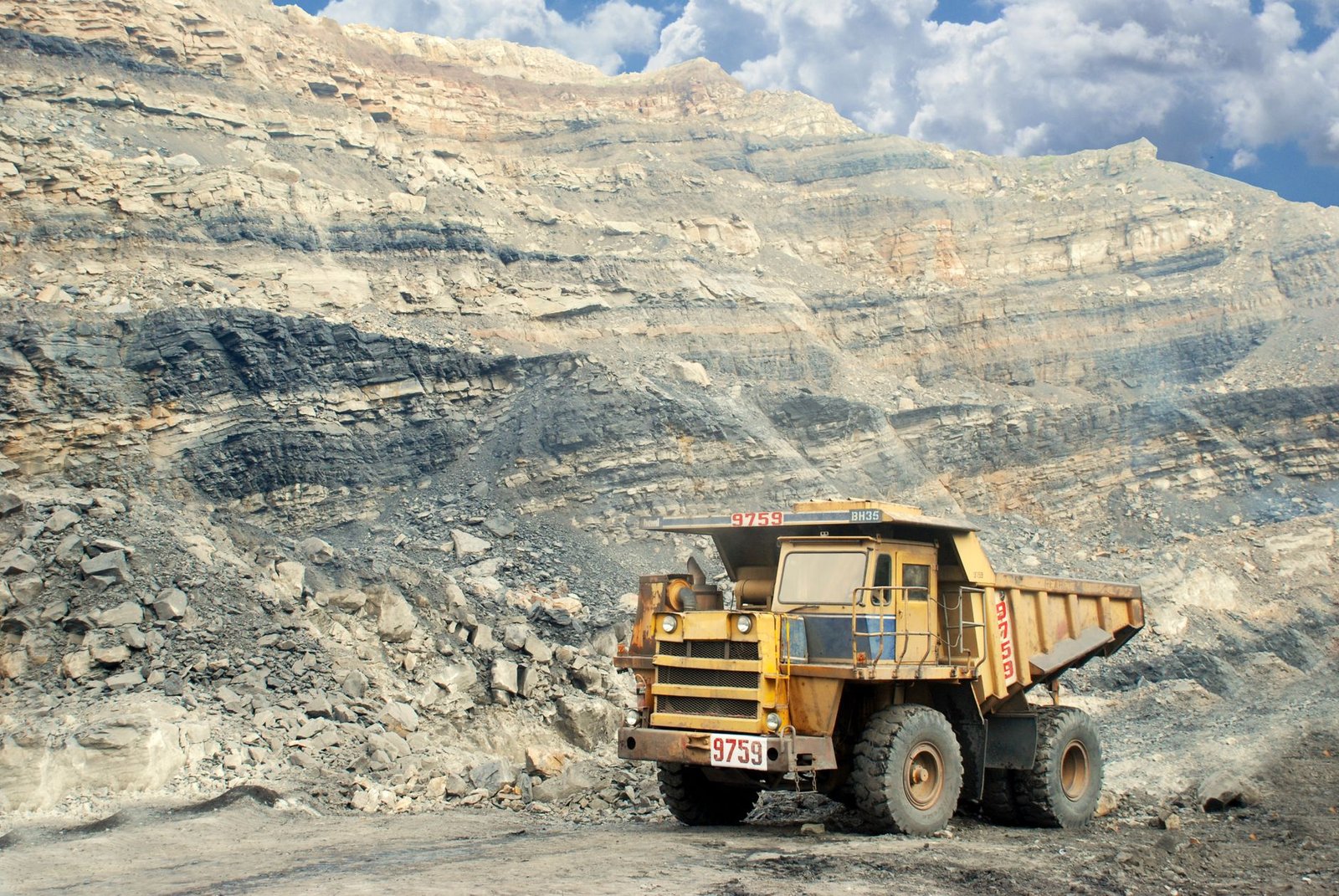
The Democratic Republic of Congo (DRC) has solidified its position as an indispensable nexus within the global supply chains for critical minerals. With vast reserves of cobalt, copper, lithium, coltan, and rare earths, the Congolese subsoil holds a significant portion of the raw materials vital for the global energy transition and cutting-edge electronics. For Kinshasa, the pressing question is no longer about the desirability of these resources, but rather how to effectively convert them into sustainable industrial power, thereby avoiding the historical extractivist model that has long denied the nation substantial added value.
The current international climate is particularly favorable to the DRC. The intense global race for electric vehicle batteries, the escalating demand for semiconductors, and the strategic reconfiguration of logistics networks spanning Washington, Brussels, and Beijing have propelled the country to the forefront of a crucial geopolitical competition. However, this geological centrality alone has historically proven insufficient to generate skilled employment, stable budgetary revenues, or meaningful local economic transformation. The core challenge for the Congo today is to fundamentally reverse this long-standing dynamic.
transforming mineral wealth into an industrial framework
The strategic vision championed by Congolese authorities centers on a straightforward principle: capturing greater value further downstream from the mining operations. This involves on-site refining of cobalt and copper, fostering the development of production units for battery precursors, and, in the longer term, assembling components destined for the continental market. A landmark protocol signed with Zambia to establish a regional electric battery value chain exemplifies this ambition, mirroring ongoing negotiations with American, European, Chinese, and Emirati partners.
In practical terms, achieving local transformation faces several entrenched structural impediments. A substantial energy deficit persists, despite the immense hydroelectric potential of the Congo River. Logistical infrastructure, connecting Katanga to ports on the Indian Ocean or Atlantic, remains both costly and vulnerable. Furthermore, a shortage of skilled labor exists across specialized fields like fine metallurgy and industrial chemistry. Each of these bottlenecks demands significant long-term investments, which often prove difficult to align with short political cycles.
the debt dilemma and the quest for sovereignty
To finance this industrial upgrading, Kinshasa is leveraging various mechanisms: public-private partnerships, joint ventures anchored by Gécamines, infrastructure-for-minerals swap arrangements, and sovereign loans. Each approach carries inherent risks. The swap model, famously utilized in Sino-Congolese agreements, secures crucial infrastructure projects but complicates the accurate valuation of the mineral concessions provided in exchange. Conversely, conventional borrowing from financial markets or multilateral institutions exposes the nation to the volatile price fluctuations of cobalt and copper.
Recent renegotiations of certain mining contracts, particularly with Chinese partners, underscore a clear determination to rebalance the distribution of mineral wealth. The DRC seeks to secure increased fiscal revenues, greater oversight over export volumes, and the inclusion of local processing clauses. This endeavor is delicate: applying too much pressure risks deterring vital investment, while insufficient pressure perpetuates dependency. The budgetary margin for maneuver is constrained, especially as existing debt servicing already places a heavy burden on state resources, impacting the broader African economy today.
governance, regional integration, and the 2030 horizon
The long-term viability of the Congolese strategy will also hinge significantly on the caliber of its mining governance. Ensuring the traceability of artisanal cobalt, combating informal trade networks, promoting contract transparency, and upholding environmental and social standards are becoming non-negotiable prerequisites for market access. These demands, championed by both Western partners and image-conscious Asian investors, are driving the adoption of standards such as the Extractive Industries Transparency Initiative (ITIE) and supply chain certifications.
Moreover, the regional dimension will prove pivotal for the DRC’s future in pan-African news. The African Continental Free Trade Area (AfCFTA) provides a strategic framework to expand market access for a nascent Congolese battery and advanced materials industry. Collaborative efforts with Zambia, Angola, and Tanzania, particularly around the Lobito corridor and the Tazara railway, are shaping the contours of an integrated productive zone. However, this vision requires the involved states to harmonize their fiscal and customs frameworks, a key aspect of African politics and economic development.
As the decade draws to a close, the DRC finds itself at a decisive juncture. Should Kinshasa successfully combine fiscal discipline, industrial upgrading, and diversification of its international partners, the nation could transition from a rentier economy to a transformative one. Failing this, the immense power of its resources will remain unrealized potential for its approximately one hundred million inhabitants. The Congolese equation now hinges on its capacity to convert geological advantage into effective economic sovereignty for the benefit of all citizens.