
Ulf’s view
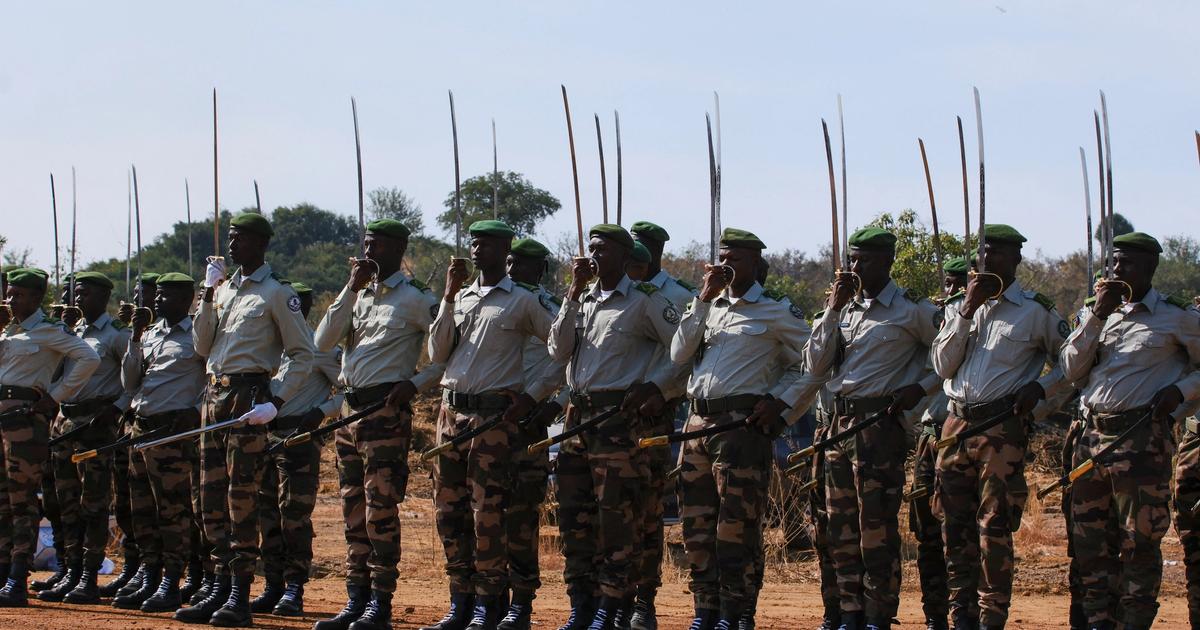
The Moscow-supported military regime in Mali is currently battling for its existence following a synchronized offensive by jihadist and Tuareg forces, which resulted in the death of the defense minister and compelled Russian private military contractors to withdraw from the northern regions. This escalating instability sparks concerns about a potential surge in migration towards Europe and a rapid deterioration of security throughout the broader Sahel region.
Recent assaults have starkly revealed the profound fragility of the governing junta, placing its very future in jeopardy. However, the repercussions of a destabilized Mali, exacerbated by the broader geopolitical impacts of the Iran war, are not expected to be contained within its national boundaries, threatening to intensify an already worsening security crisis across one of the globe’s most volatile geographical areas.
The genuine threat of insecurity proliferating across the permeable borders of West Africa, potentially impacting even robust democracies like Senegal and Ghana, is undeniable. The severe hardship inflicted by insurgent groups operating in vast, ungoverned territories will inevitably compel populations to seek refuge elsewhere.
This situation unfolds within a complex global context: rising fuel prices, a direct consequence of the Iran war, are set to exacerbate Mali’s economic woes. This will render living conditions intolerable for many, as the landlocked nation’s government struggles to finance essential imports. A significant number of individuals will likely opt to emigrate. European nations must prepare for an increased influx of migrants from the Sahel, particularly as the ongoing Middle East conflict simultaneously steers the eurozone towards a challenging combination of sluggish growth and elevated inflation.
It is crucial to recognize that the Sahel, despite its geographical distance, is far from isolated. Millions of Malians and Burkinabe already contribute to the workforce in Senegal and Côte d’Ivoire. A greater number are anticipated to resettle in these former French colonies in the upcoming months, seeking escape from dire conditions in their homelands, thereby intensifying job market competition. Data from Frontex, the European border agency, indicates that Malians currently rank among the top three nationalities reaching Spain’s Canary Islands, a vital transit hub for African migrants journeying towards Europe.
For over ten years, Mali has been engulfed in a prolonged crisis, contending with a persistent jihadist insurgency, climate change devastating agricultural lands, and the near-total breakdown of state apparatus after military coups in 2020 and 2021. The cumulative instability of recent times, coupled with the ineffectiveness of Russian forces deployed after Mali’s expulsion of French and European Union troops, paints a grim picture for the immediate future.
The withdrawal of Russian personnel from significant portions of northern Mali is expected to allow jihadist factions to establish training facilities within these expansive, now-empty territories. This development could facilitate their further territorial expansion, a prospect that particularly alarms Algeria.
Should a governance void emerge in the northern regions, it would inadvertently empower illicit networks, including arms dealers, drug smugglers, and human traffickers. These groups routinely traverse Mali and its neighbor Niger, utilizing them as conduits towards Libya and Mauritania, which serve as primary transit corridors from sub-Saharan Africa to European destinations.
The insurgent movement has already extended its reach into neighboring Burkina Faso and Niger, with jihadist elements now encroaching upon Gulf of Guinea nations such as Benin and Togo. These coastal states possess far stronger ties to global commerce compared to the landlocked Sahelian countries. Operating with considerable freedom, these insurgents routinely cross national boundaries and exert control over vast rural areas in Mali and Burkina Faso, now seemingly emboldened to set their sights on capital cities.
While jihadist forces currently lack the capacity to seize Bamako, the capital, the long-term survival of Mali’s military government amidst these ongoing attacks remains uncertain. The regime’s effective control over the nation has largely receded to the capital city. Therefore, governments across West Africa and distant European capitals must heed these developments closely.

Notable
- Mali’s military leader Assimi Goita has reappeared after a period of absence, coinciding with Russia’s assertion that it successfully thwarted a coup attempt.