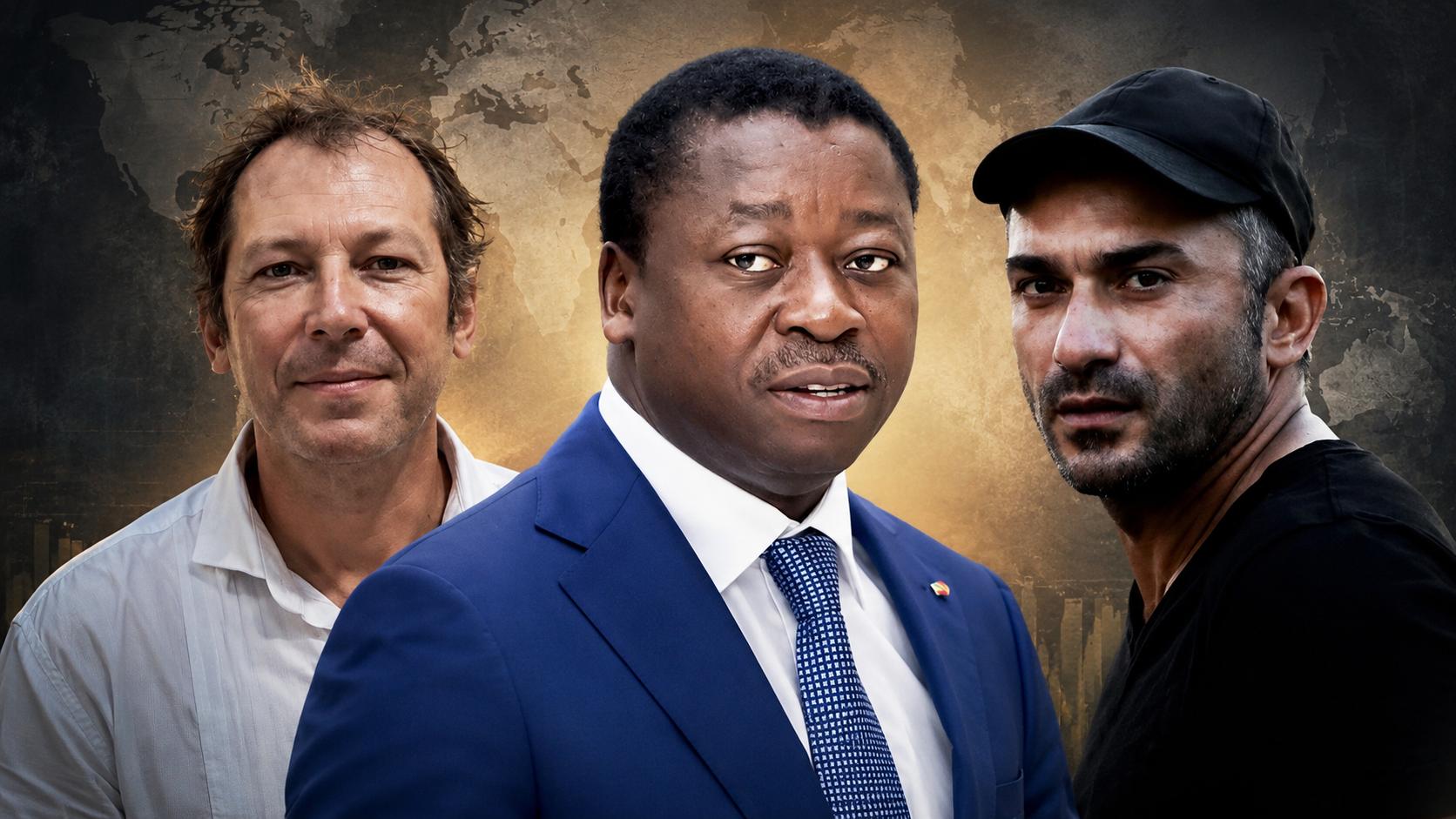
The detention of two French filmmakers and journalists, Sébastien Perez Pezzani and Gaël Mocaër, in Togo marks a significant escalation in the already tense security and diplomatic landscape of the Lomé regime. Arrested in mid-August 2026 and formally incarcerated on Monday, August 17, their case transcends a mere administrative infraction, revealing deeply political undertones. This development, closely watched across West Africa, highlights growing concerns about press freedom and African politics.
Sébastien Perez Pezzani and Gaël Mocaër were apprehended in the northern part of the country while engaged in documentary filmmaking. They have since been formally charged and placed under judicial remand, transforming what initially appeared to be a procedural matter into a high-stakes political entanglement.
The administrative facade of security control
Togolese authorities justify the detention of these two media professionals by citing non-compliance with accreditation procedures and a violation of their visa conditions. However, the broader context suggests a more profound motive behind these actions:
- A region under intense scrutiny: Northern Togo, a zone frequently impacted by incursions from armed groups originating in the Sahel, operates under a declared state of security emergency. In this sensitive area, authorities maintain stringent control over information dissemination, strictly prohibiting any unsupervised reporting.
- The Thomas Dietrich precedent: This approach strikingly echoes the swift arrest and subsequent expulsion of French journalist Thomas Dietrich in April 2024. It underscores Lomé’s near-paranoid distrust of foreign media, which is often perceived as a destabilizing influence on the government’s narrative.
A potential bargaining chip: Ferdinand Ayité
Beyond the stated legal justifications, many independent observers and media outlets interpret these arrests as a calculated strategic pressure tactic by Lomé against Paris. This situation could have significant implications for African politics and pan-African news discussions.
- Pursuit of exiled dissidents: The regime of Faure Gnassingbé appears to be leveraging the detention of the two French nationals to extract concessions from French diplomacy. A key figure in this dynamic is Togolese investigative journalist Ferdinand Ayité, who is currently seeking refuge in France and remains a constant target of the Togolese government.
- Diplomacy through media hostages: By holding these filmmakers behind bars, Lomé seems intent on shifting the balance of power with France. This strategy, however, risks further tarnishing Togo’s international reputation, potentially impacting its standing in West Africa news.
Press freedom under siege in Togo
By targeting international journalists, following a systematic suppression of independent local media, the current Togolese regime reaffirms its determination to control the national narrative. While diplomatic efforts are reportedly underway behind the scenes to secure the release and repatriation of the two filmmakers, this incident starkly illuminates the tactics of a government willing to weaponize deprivation of liberty for political gain. This ongoing situation is a critical point for understanding the state of press freedom in West Africa.