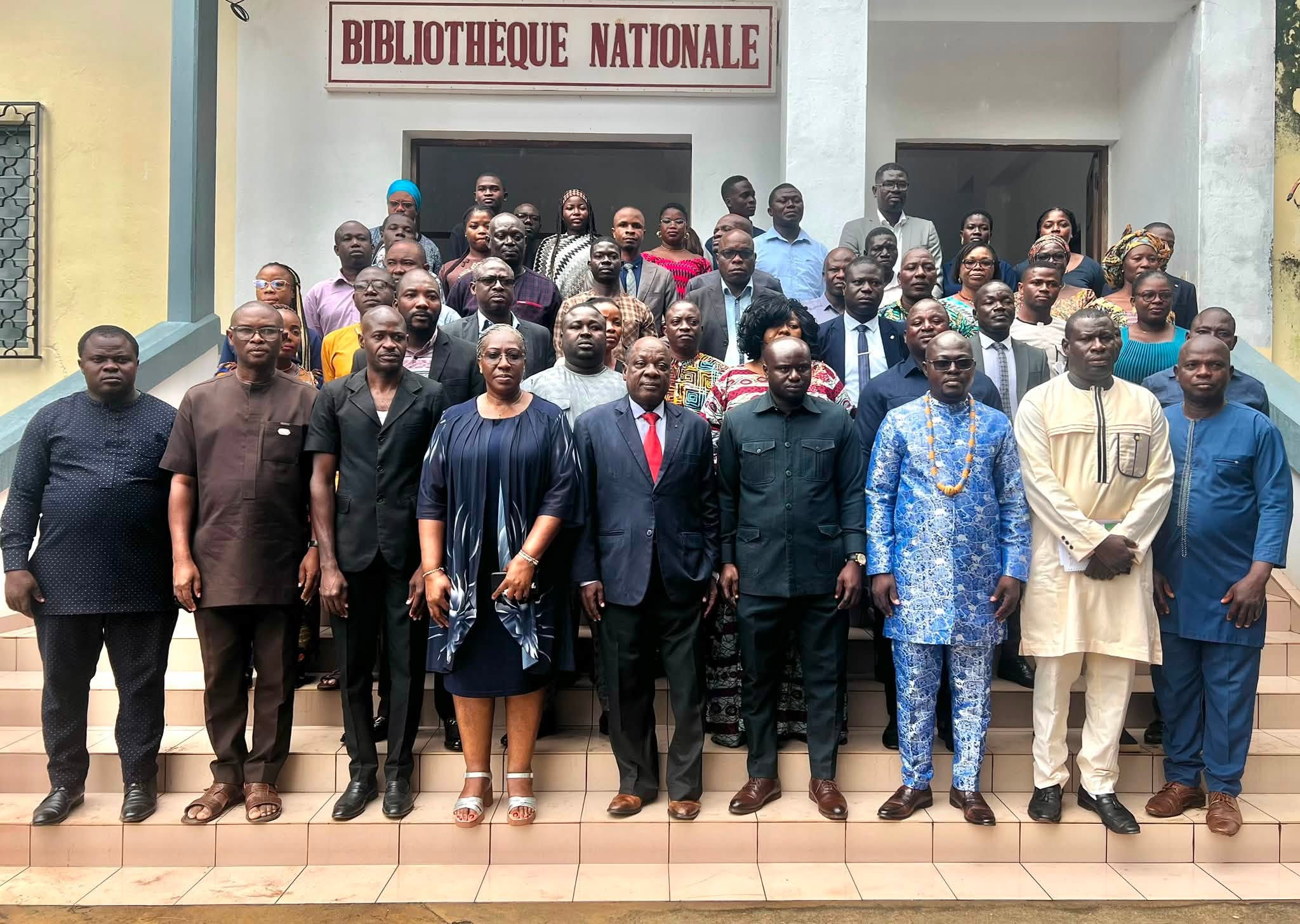
As public administrations worldwide accelerate their digital transformation, Togo is making a concerted effort to re-establish its archives at the core of national development. In Lomé, experts and government officials convened for International Archives Day, engaging in critical discussions about the pivotal role archives play in safeguarding rights, preserving collective memory, and enhancing public governance.
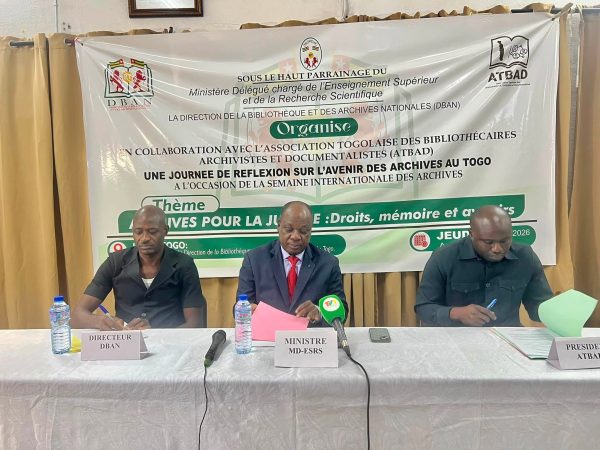
Far from being mere historical repositories, archives serve as vital instruments for promoting transparency, ensuring justice, and fostering administrative efficiency. These crucial themes underpinned a dedicated day of reflection held on Thursday, July 2, 2026, at the Direction de la Bibliothèque et des Archives nationales (DBAN). The event was aptly themed: “Archives for justice: rights, memory, and futures.”
LA SUITE APRÈS LA PUBLICITÉ
This important gathering, organized in collaboration with the Association togolaise des bibliothécaires, archivistes et documentalistes (ATBAD), formed part of the global celebration of International Archives Day. Its primary objective was to underscore the indispensable contribution of archival services to the preservation of Togo’s national memory, the protection of its citizens’ rights, and the overall strengthening of transparency within public administration.
Archives: a cornerstone of modern governance in Togo
The proceedings commenced with an opening address by Professor Gado Tchangbedji, the Minister Delegate in charge of Higher Education and Scientific Research. In his remarks, Professor Tchangbedji emphasized that robust archives form an indispensable link in the ongoing modernization of the State and the continuous improvement of public services across Togo.
He articulated that effective document management not only secures invaluable administrative and historical heritage but also significantly enhances access to information, thereby bolstering trust between governmental institutions and the citizenry.
The minister also lauded the unwavering commitment demonstrated by the President of the Council, Faure Essozimna Gnassingbé. He specifically highlighted President Gnassingbé’s initiatives aimed at the digital transformation of the administration, particularly through the advancement of e-governance, which is envisioned as a crucial tool for fostering closer connections between the administration and its users.
Anticipated recommendations to bolster Togo’s archival services
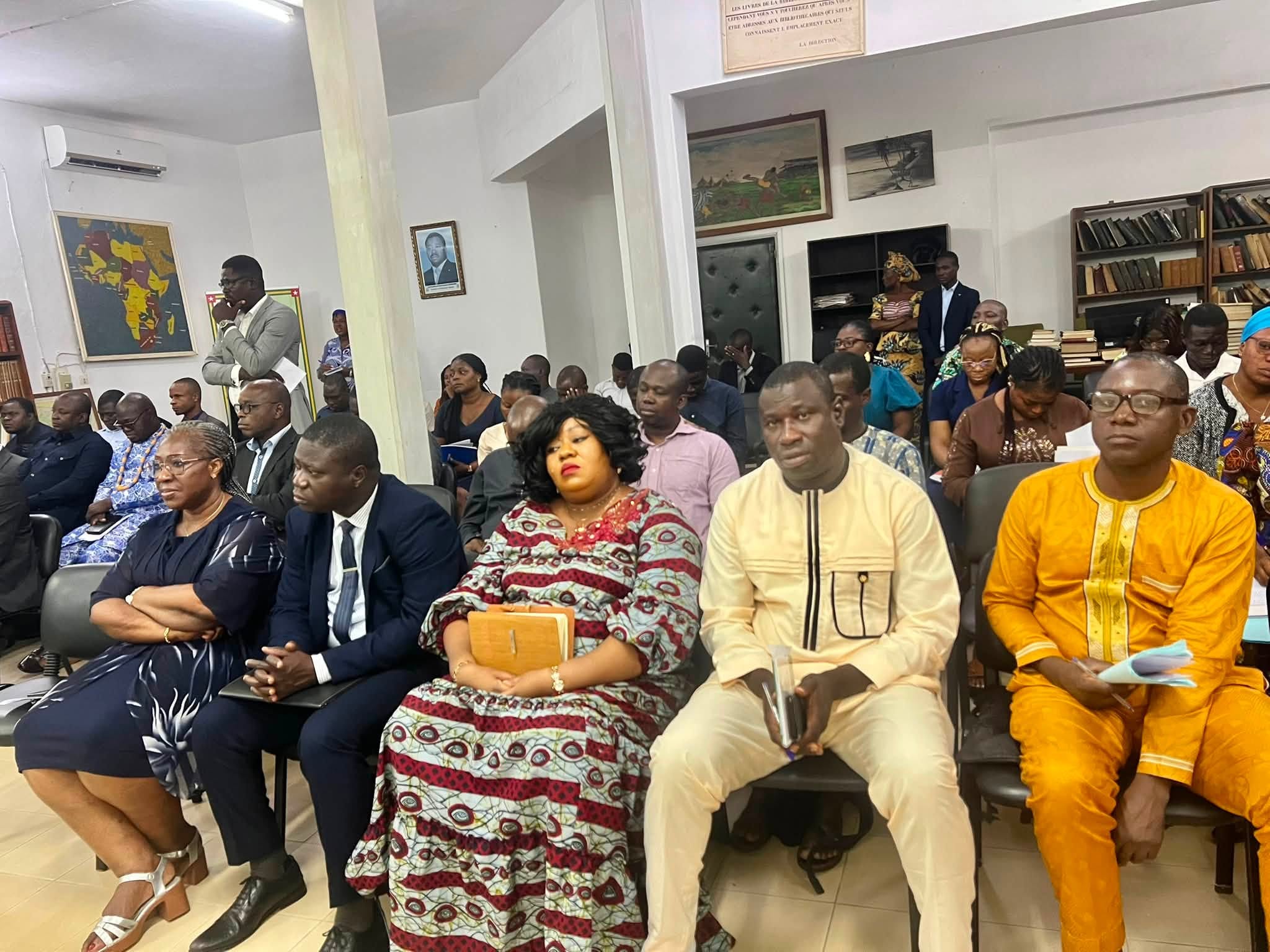
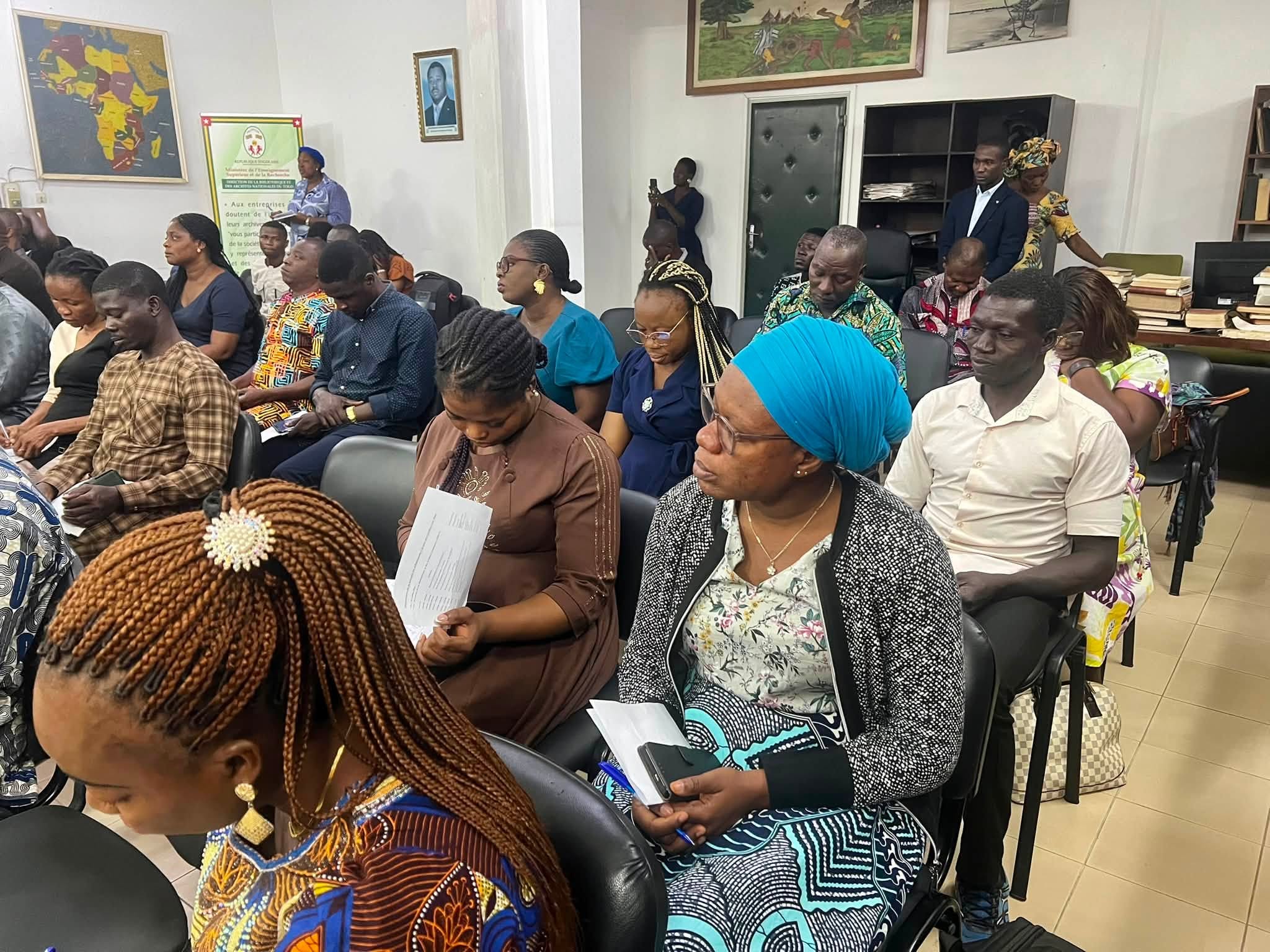
Beyond the official addresses, the event featured a series of thematic presentations, followed by engaging debates. These discussions brought together a diverse group of participants, including archival professionals, librarians, documentalists, and representatives from various public administrations.
The exchanges delved into the multifaceted challenges associated with document conservation, their ongoing digitization, ensuring broad accessibility, and their overarching significance in upholding rights and facilitating the sound administration of justice.
As the proceedings concluded, participants collectively reaffirmed the strategic importance of archives in constructing Togo’s national memory. They expressed a strong desire that the recommendations generated from these discussions would lead to a sustained enhancement of the performance of Togo’s archival services, especially within the rapidly evolving landscape of administrative digital transformation.