African Union envoy faure gnassingbé intensifies efforts for peace in eastern DRC
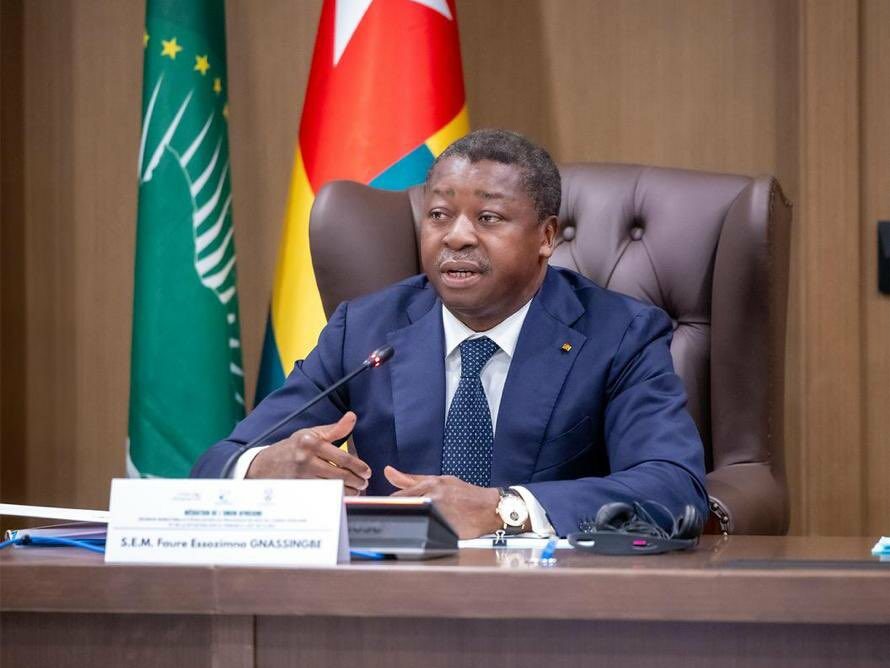
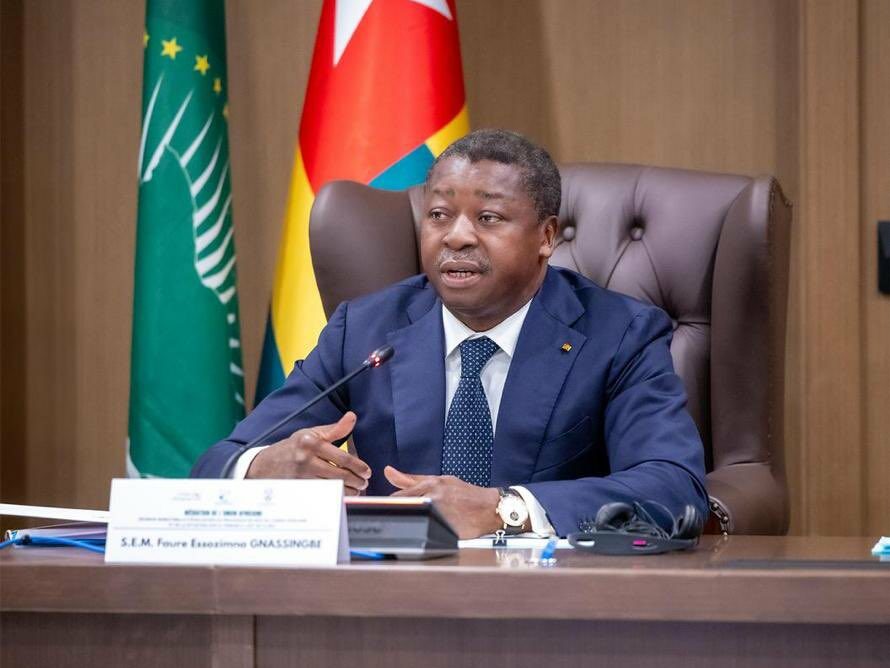
As the African Union’s (AU) designated mediator for the eastern Democratic Republic of the Congo (DRC) and the Great Lakes region, Faure Gnassingbé, President of Togo and current AU Council Chairperson, convened an urgent high-level review in Lomé to assess six months of mediation efforts in the conflict-stricken area.
The meeting brought together senior representatives from the AU facilitators, alongside delegates from the United Nations, the International Committee of the Red Cross (ICRC), and key regional blocs including the East African Community (EAC), the Economic Community of Central African States (ECCAS), the Southern African Development Community (SADC), and the International Conference on the Great Lakes Region (ICGLR).
Gnassingbé highlighted tangible progress in streamlining the African-led peace architecture, particularly since the January Lomé conference focused on strengthening coordination and cohesion in the DRC peace process.
« We have made significant strides since January, bringing greater clarity and structure to our mediation framework, » he stated. « This gathering represents not just a milestone, but a renewed commitment to collective action and sustainable solutions for lasting peace in the region. »
Despite these advances, he cautioned that « continued efforts are essential to enhance coherence and coordination among the various mediation mechanisms currently engaged in the peace process. »
Reaffirming his unwavering dedication to the mission entrusted to him by the AU, Gnassingbé urged sustained regional solidarity in support of stability across eastern DRC.
« We will carry forward this mission with humility, resolve, and perseverance, » he affirmed. « While challenges remain, we must also recognize the growing groundswell of goodwill and partnership determined to help us achieve peace. »
To sustain momentum, the meeting approved a series of strategic measures: updating the facilitators’ work plans for the second half of 2026, and developing—within two weeks—a detailed operational action plan outlining the implementation of key decisions.
With renewed collective resolve, participants pledged to implement these measures « with urgency, unity, and accountability. »