The arrest of panafricanist activist Kémi Séba in South Africa has reignited debates on the movement’s evolution. With a following of 1.5 million on social media, Séba’s controversial methods—including alleged ties to a white supremacist and a failed attempt to enter Zimbabwe—raise questions: is he truly a modern panafricanist, or just another avatar of a fading ideology?
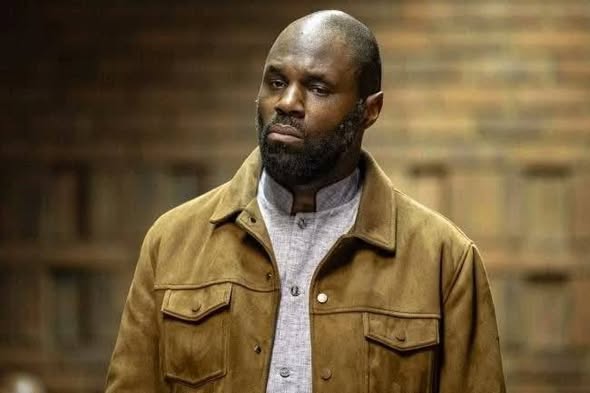
Kémi Séba, born Stellio Gilles Robert Capo Chichi in Benin with a Nigerian diplomatic passport, was recently detained alongside his 18-year-old son and François Van der Merwe, a South African white supremacist nostalgic for apartheid. Séba, founder of the “Urgences panafricanistes” NGO, is known for his anti-French, anti-CFA franc, and antisemitic rhetoric. His French citizenship was revoked due to these controversies. Currently facing charges in Benin for “apology for state security crimes” after supporting soldiers involved in a failed coup, he also holds an international arrest warrant.
Russian propaganda and support for Sahel dictators
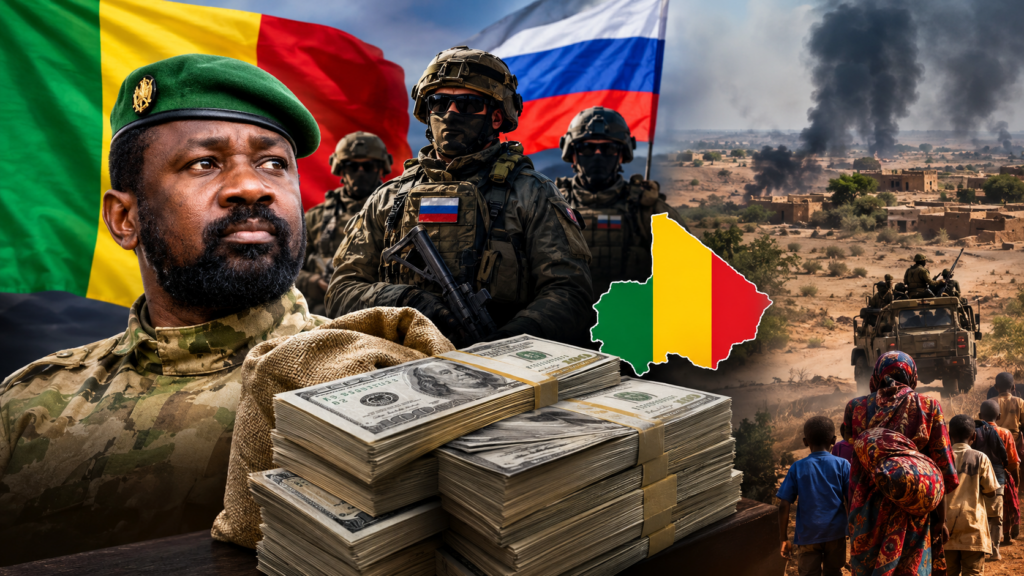
Séba, along with Franklin Nyamsi and Nathalie Yamb, are among the loudest panafricanist voices in Francophone Africa. Yet their opposition to French influence often aligns with pro-Russian propaganda and backing for the military juntas of the Alliance of Sahel States (AES)—Mali’s Assimi Goïta, Burkina Faso’s Ibrahim Traoré, and Niger’s Abdourahamane Tiani. Does this new panafricanism mean rejecting France only to submit to Russian interests and authoritarian regimes?
The historical roots of panafricanism
Born in early 20th-century Black American and Caribbean intellectual circles, panafricanism fueled anti-colonial struggles across Africa. Leaders like Ghana’s Kwame Nkrumah, Guinea’s Sékou Touré, and Congo’s Patrice Lumumba emerged from this movement. The Fédération des Étudiants d’Afrique Noire en France (FEANF), founded in 1950, became a key political force advocating for decolonization and continental unity. However, French authorities suppressed it through financial penalties and surveillance, leading to its dissolution in 1980.
The independence of Ghana in 1957 and most African nations in 1960 were seen as panafricanist victories, culminating in the creation of the Organisation of African Unity (OAU) in 1963. Yet, micro-nationalisms and divisions soon took over. Attempts to revive unity, such as Libya’s Muammar Gaddafi pushing for the African Union in 2002, failed. While the New Partnership for Africa’s Development (NEPAD) was launched in 2001 to accelerate integration, it has since faded into obscurity.
From civil wars to xenophobia
Today, panafricanism is often invoked as a political slogan rather than a lived reality. Ivory Coast’s Laurent Gbagbo recently launched a panafricanist party, while Senegal’s ruling PASTEF party claims the same ideology. Yet many African nations either persecute fellow Africans—like South Africa’s treatment of migrants—or remain deeply divided, as seen in the Sahel’s tensions with ECOWAS states.
The urgency of authentic panafricanism
Where have the true panafricanists gone? Séba, Nyamsi, and Yamb dominate social media, but their rhetoric often serves external agendas. Séba, stripped of his French nationality, has been accused of opportunism, allegedly taking money from Togo’s Faure Gnassingbé while lamenting his lost citizenship. This panafricanism—tainted by alliances with Russia and dictators—resembles little more than a hollow, self-serving ideology.
As global powers exploit Africa’s divisions, the continent’s survival depends on genuine unity. But can this unity emerge when its loudest voices are more aligned with foreign interests than African solidarity?