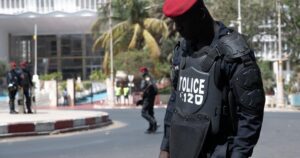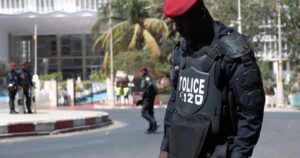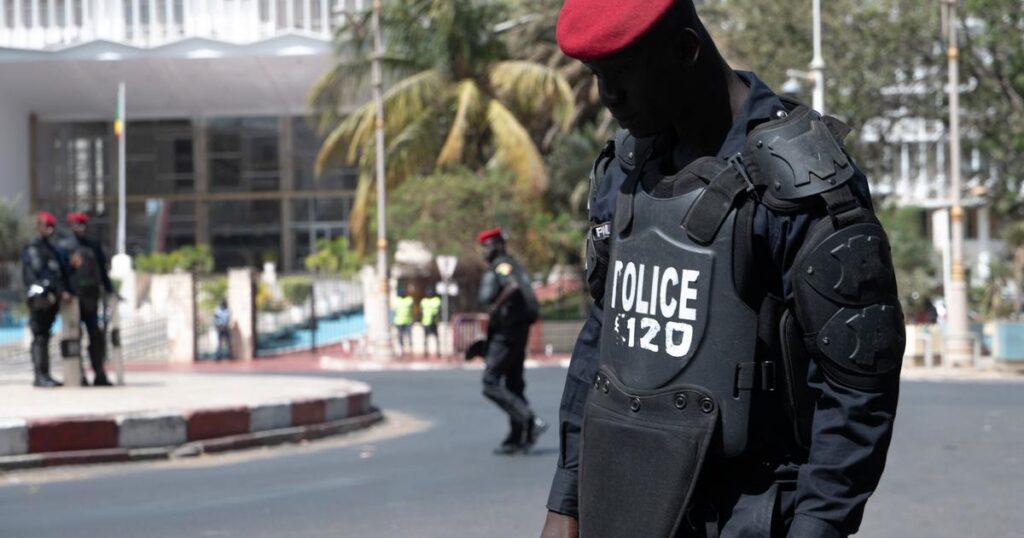
Amadou Bangoura will never forget that night. It was nearly 10 p.m. when the 30-year-old Beninese student left his gym in the Liberté 6 district, heading home under the cover of darkness. The streets were nearly empty, shops had closed for the day, and only the occasional headlights cut through the night. Suddenly, a police patrol ordered him to stop. Two officers stepped out of their vehicle.
‘Show us your papers,’ they demanded.
widening climate of mistrust
For Bangoura, who has lived legally in Senegal for five years, the encounter left a lasting mark. ‘I couldn’t help but wonder what might happen next,’ he admitted. His experience reflects a growing trend: a sweeping crackdown on foreigners, particularly West African nationals, by the Directorate of Foreign Police and Travel Documents. Between June 30 and July 8 alone, authorities conducted 490 identity checks, resulting in 36 detentions for irregular stay.
Civil society leaders warn that this isn’t just about migration policy—it’s the normalization of a culture of suspicion toward outsiders. ‘What’s truly alarming is the arbitrary nature of these arrests, the disproportionate administrative demands, and prolonged detentions,’ they stated in a July 13 statement. The crackdown has sparked concerns about Senegal’s long-standing reputation for Teranga—hospitality in Wolof—a value deeply embedded in its national identity.
rising tensions and digital rhetoric
The situation has been further inflamed by hostile social media narratives, particularly on TikTok, targeting the Guinean community. Guinea accounts for over 40% of Senegal’s foreign residents, yet online rhetoric has accused them of ‘stealing jobs’ from locals—a narrative eerily reminiscent of recent xenophobic activism in South Africa.
These developments come at a delicate time, as Senegal assumes the presidency of the Economic Community of West African States (ECOWAS).