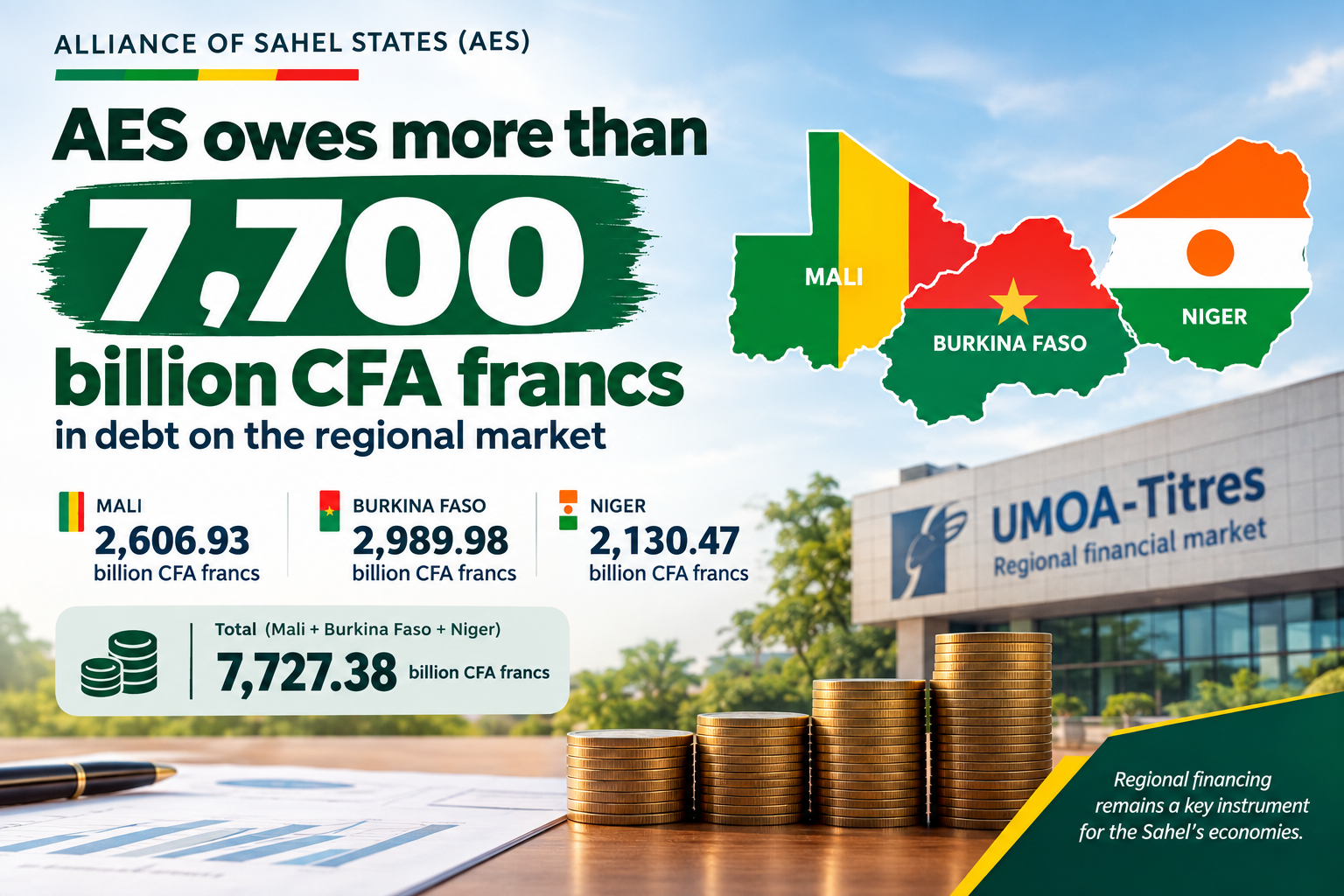
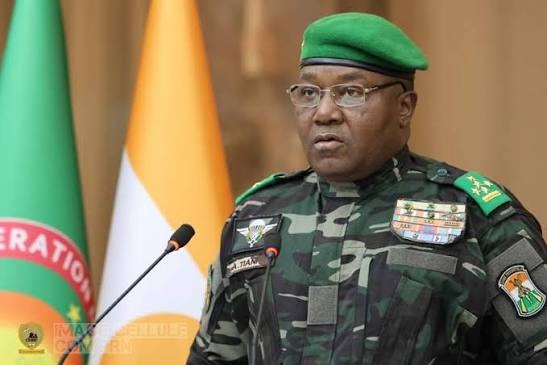
Mali, Burkina Faso and Niger — the three governments that make up the Alliance of Sahel States — remain heavy users of the regional financial market. At the close of 31 July 2026, their combined stock of outstanding public securities stood at roughly 7,727 billion CFA francs. That number complicates the narrative of a financial sovereignty resting entirely on national resources. The political message has not changed: sovereignty, a clean break with old dependencies, national efforts funded by national means, and a rejection of mechanisms presented as imposed from abroad.…
Read MoreMonth: September 2026
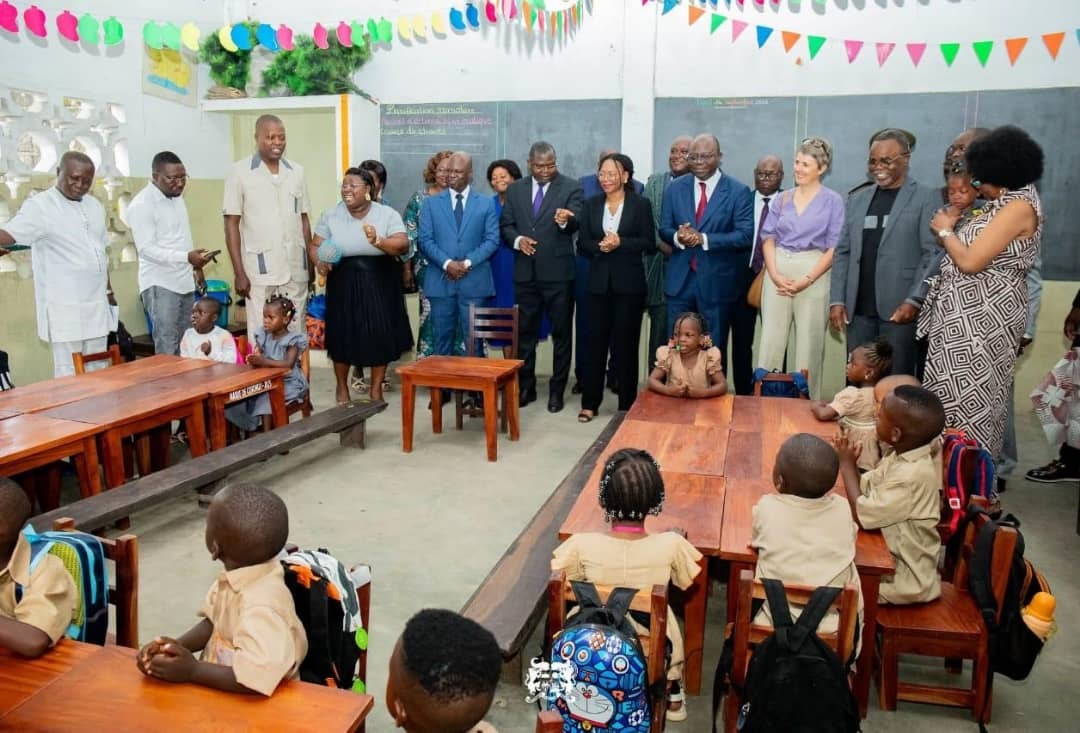
Benin school reopening: pupils return to class nationwide on 14 September 2026
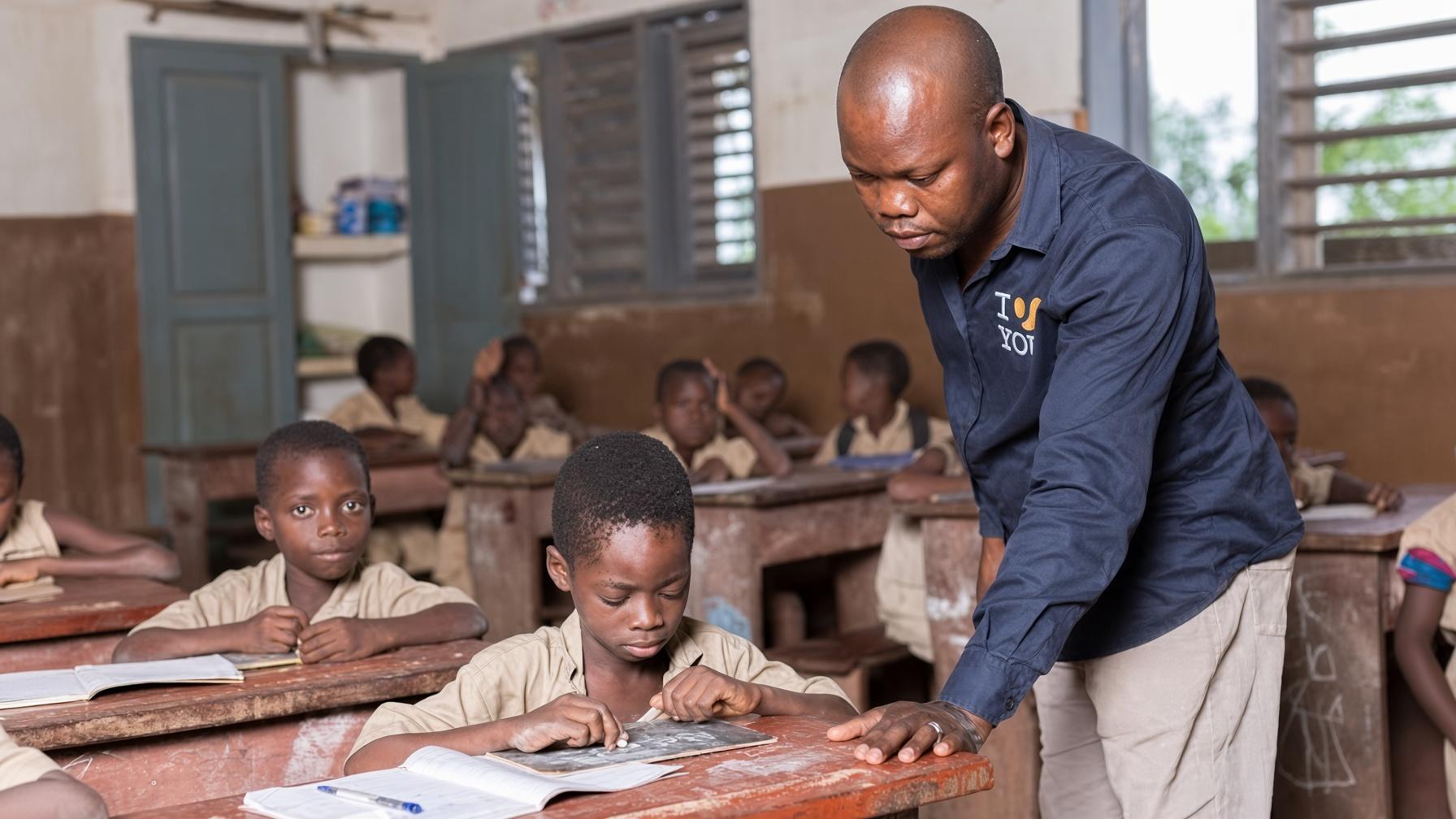
Monday 14 September 2026 has been confirmed as the official start of the new school year in Benin, with establishments across the whole country reopening their doors to learners and teachers. The return to class comes at a time when the security situation has improved, jihadist attacks have fallen sharply in the areas most at risk, and the government’s social programmes — most notably the removal of tuition fees at the levels concerned — remain in force for pupils. Lessons resume from north to south After several weeks of holidays,…
Read MoreNiger’s cheap fuel comes at a cost: Sonidep heading for a 28 billion FCFA loss in 2026
The hidden bill behind Niger’s low pump prices Niger’s decision to hold fuel prices steady at the pump is turning into a heavy burden for the country’s public finances. Fresh projections from the International Monetary Fund point to a net loss of 28 billion FCFA for the Société nationale des pétroles du Niger (Sonidep) in the 2026 financial year — a shortfall driven by a surge in domestic consumption and the steep cost of buying fuel abroad. When Nigeria’s subsidy cuts reshaped Niger’s market The roots of this imbalance lie…
Read MoreTexforces-BF: Ibrahim Traoré stakes Burkina Faso’s pension savings on a textile bet
Burkina Faso’s Texforces-BF textile programme has been presented to the public as a cornerstone of economic sovereignty and home-grown industrialisation, and official enthusiasm for it has been loud and unwavering. Look beneath the speeches, however, and the way the venture is financed — together with the conditions attached to its rollout — raises uncomfortable questions. Money pulled straight out of the retirement system, thousands of beneficiaries still waiting for pensions already owed to them, an active terrorist threat across much of the country and no visible industrial maintenance blueprint: taken…
Read MoreNiger’s external liabilities top 12,900 billion FCFA as dependence persists
In Niamey, official statements continue to present a picture of economic emancipation and severed ties with former partners. The consolidated accounts of the Central Bank of West African States (BCEAO), however, sketch a very different portrait. As Niger closed the 2024 financial year, its international investment position stood deep in the red, laying bare a structural reliance on foreign capital that has not diminished. A yawning gap between what Niger owns abroad and what it owes Niger’s financial obligations towards non-residents reached 12,933.5 billion FCFA by the end of 2024.…
Read MoreBenin’s school canteens now reach 1.9 million children as the social and economic gamble widens
A wider table for Benin’s schoolchildren When classes resumed for the 2026-2027 academic year, close to 1.9 million pupils in Benin sat down to a hot meal on every school day. Twelve months earlier, that figure stood at 1.4 million. The gap between the two numbers — roughly half a million additional children — tells the story of a school feeding policy that keeps expanding rather than slowing down. Behind the statistic lies a deliberate choice by Benin’s authorities: treating a plate of food at school as a tool that…
Read MoreSifi Grine in Bamako: how Assimi Goïta’s junta swallows its pride before Algiers
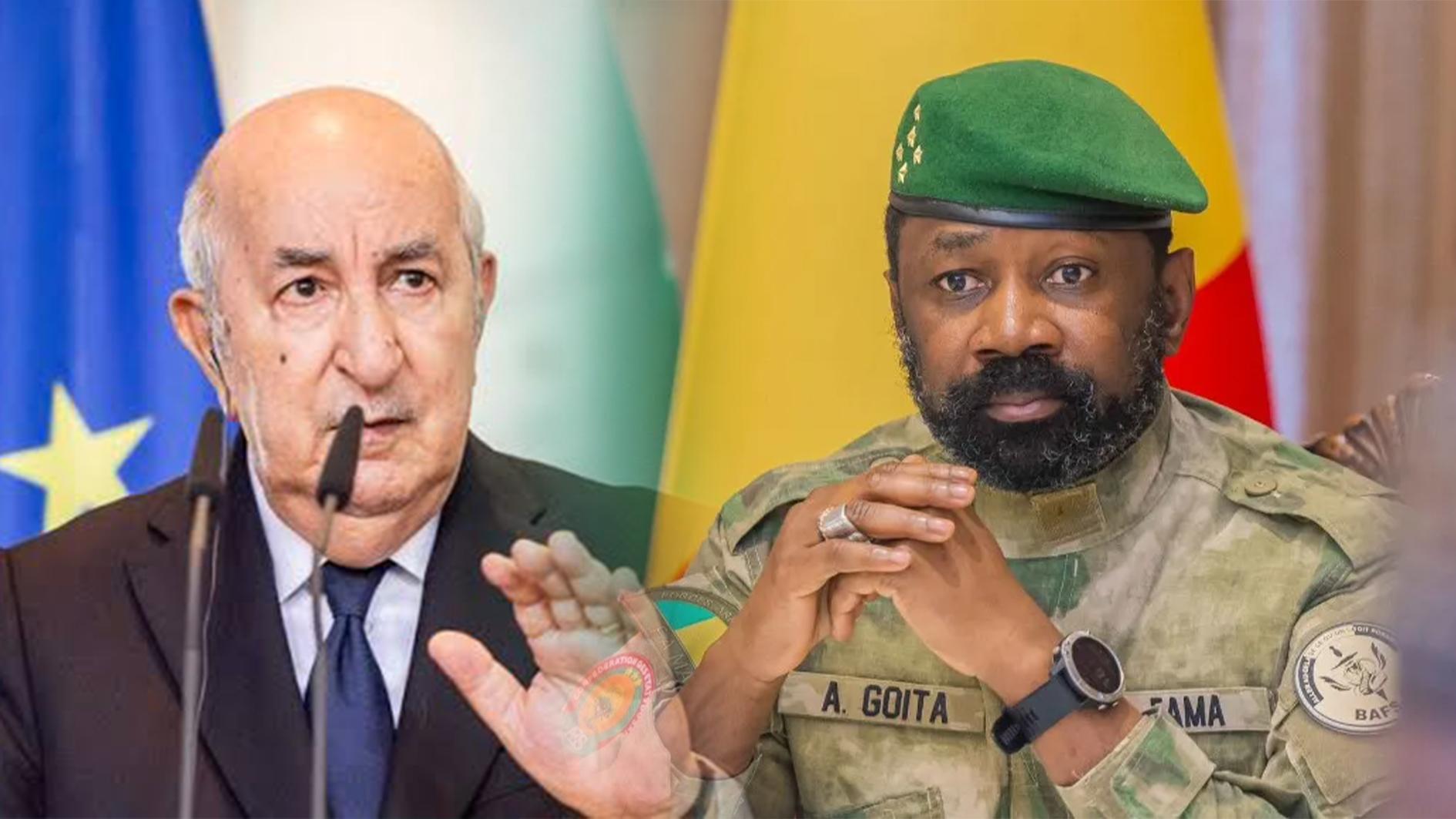
Algerian prime minister Sifi Grine travelled to Bamako on Monday for an official visit, appearing at the side of army general Assimi Goïta, the strongman of Mali’s ruling junta. Presented as a decisive step towards closer ties between the two Sahelian neighbours, the choreography of the day struggles to conceal a far messier diplomatic reality. Behind the warm handshakes and the polished statements, the scars of recent quarrels and the lingering shadow of the Algiers accord continue to weigh on a bilateral relationship that has touched its lowest point. A…
Read MoreMartinez Zogo case in Cameroon: key investigator finishes testimony
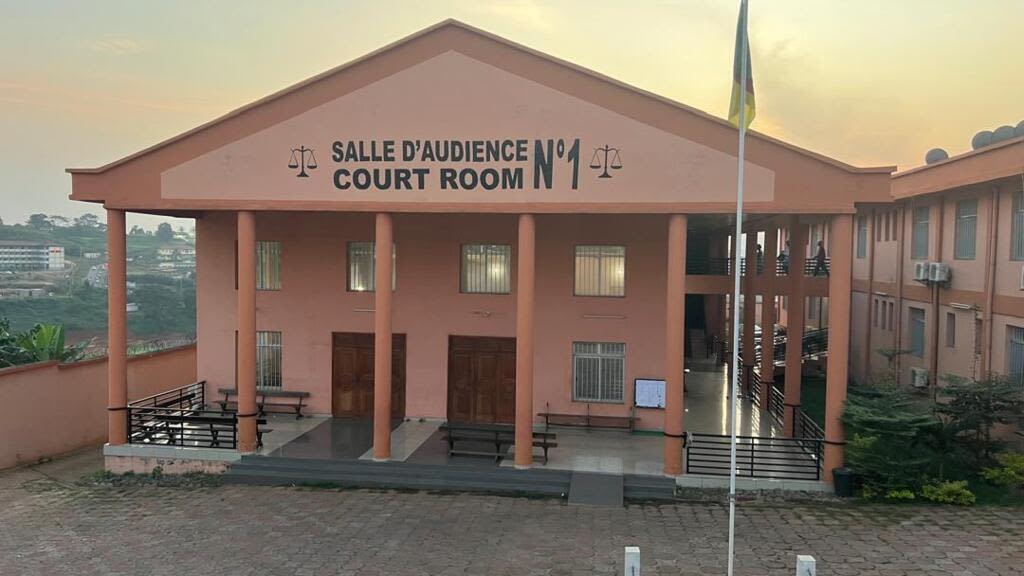
Martinez Zogo case in Cameroon: key investigator finishes testimony With our correspondent in Yaoundé, Richard Onanena Colonel Jean-Pierre Otoulou took the stand to defend his investigation. He insisted he had evidence, notably that journalist Bruno Bidjang, then an associate of businessman Jean-Pierre Amougou Belinga, one of the main defendants in the case, had attempted to gather information about inquiries concerning him. While Bidjang tried to prove his innocence, the lawyer for Martinez Zogo’s beneficiaries decried interference in the proceedings. “It simply reveals what we suspected from the start. He effectively…
Read MoreBurkina Faso: the price of a sovereignty financed on credit
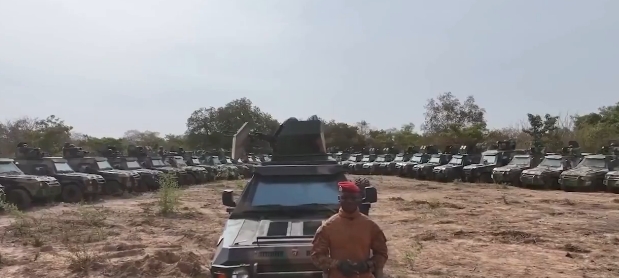
Since Captain Ibrahim Traoré assumed power, an official narrative has steadily taken root: that of a Burkina Faso which has reclaimed command of its own destiny, curtailed its reliance on foreign partners and resolved to bankroll its own campaign against armed groups. Politically, the message lands. Rearmament is presented as sovereignty made tangible. Military acquisitions are showcased, the patriotic support fund is held up as proof of a collective national effort, and appeals for citizen contributions serve to demonstrate that the country now looks first to its own resources. One…
Read MoreDioura attack: Mali’s army suffers its heaviest loss yet to JNIM
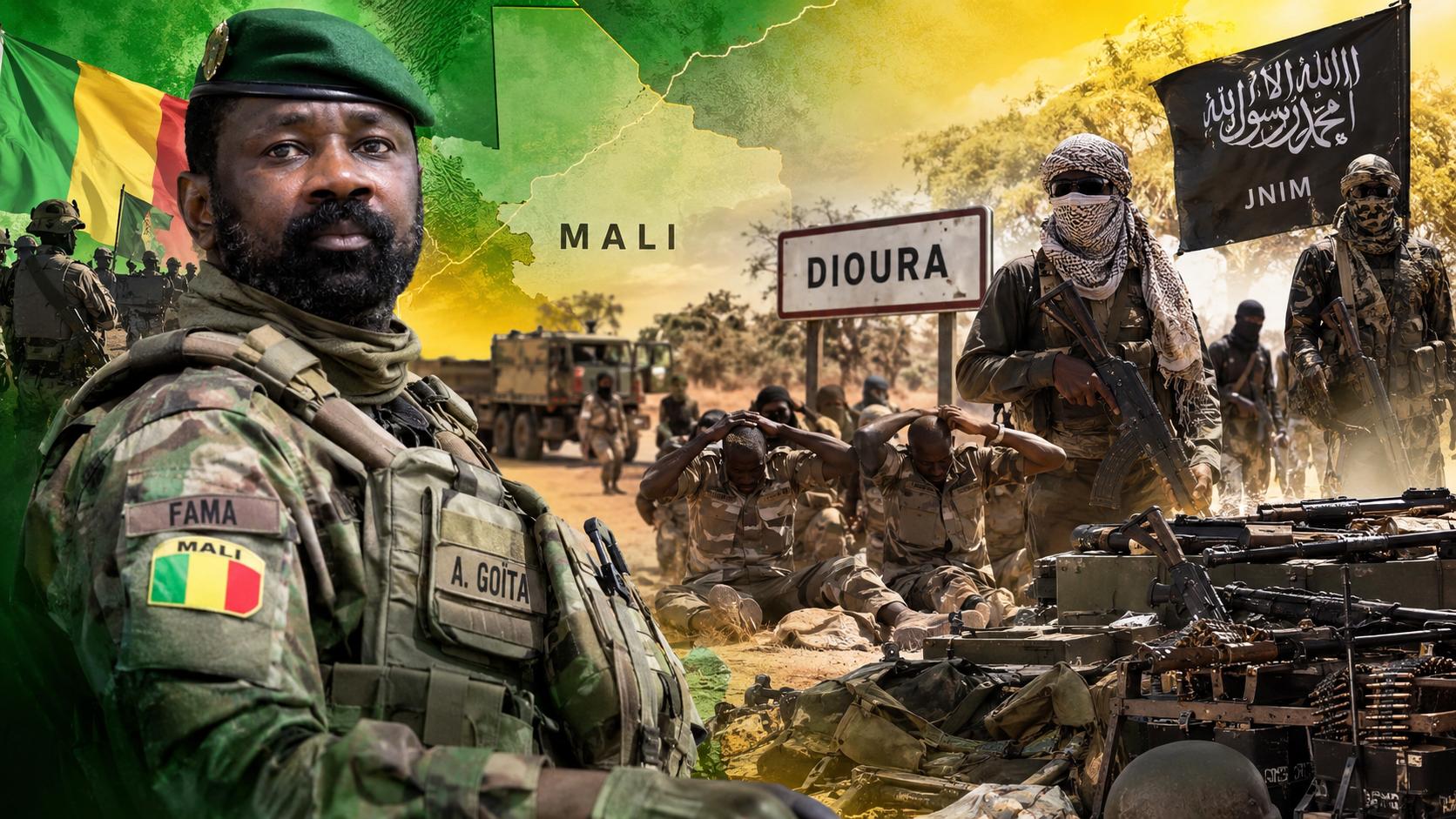
Gunfire broke the silence of Dioura at first light on Thursday, 10 September 2026. Fighters belonging to the Groupe de soutien à l’islam et aux musulmans (JNIM), the Al-Qaeda-linked coalition, swept into the town’s military base in the Tenenkou cercle of central Mali and reduced it to a scene of carnage within hours. The camp was bombarded, then overrun, then emptied of its equipment before the assailants withdrew with heavy weapons and a large group of captives in tow. Local counts point to approximately 130 Malian soldiers killed and up…
Read MoreNiger’s 334 billion FCFA tax arrears expose a state bending to economic giants
Niger’s tax administration is remarkably agile when it goes after the informal sector. A street trader working with a few hundred thousand francs can expect a sealed shop and an unannounced reassessment. When the file belongs to a telecommunications operator, a uranium producer or a public-works consortium, the same administration suddenly discovers the virtues of patience. The scale of that double standard is now documented. A joint review by the Economic Commission for Africa and Niger’s ministry of economy and finance has recorded 334 billion FCFA in tax arrears —…
Read MoreBenin’s AME teachers: pay, protection and a path into the civil service
When the 2026-2027 school year began, Benin’s aspiring teachers — the thousands of men and women enrolled in the AME scheme — walked into their classrooms carrying something they had long been waiting for: a credible route towards a permanent public-sector career. Alongside earlier decisions that lifted their earnings and improved their living conditions, the authorities in Cotonou have now launched the gradual absorption of these educators into the civil service. The shift matters well beyond paperwork. It promises steadier professional security, stronger household purchasing power and, in the longer…
Read More