Behind the senegalese budget standoff: how pastef’s internal revolt could derail fmi deal and eurobond plans


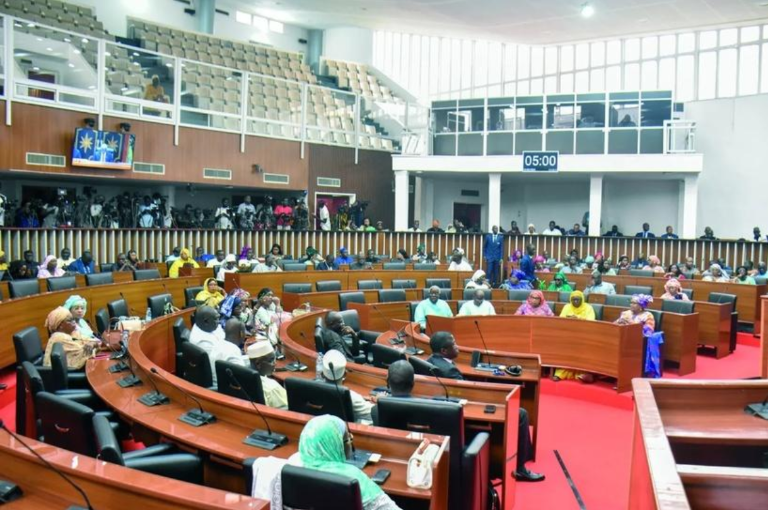
The Unseen Forces Shaping Senegal’s Financial Crisis The November 3 vote wasn’t just another legislative setback—it was a rebellion brewing within the ruling party itself. With 109 votes against, 20 in favor, and 3 abstentions, Senegalese lawmakers approved a preliminary motion tabled by the Pastef party, effectively killing any further debate on the 2026 supplementary budget law. This wasn’t the first time the proposal had been rejected; it had already failed twice in the finance committee back in October. In a parliament where the ruling party holds 130 of the…

Read More

Haiti’s military turn to Africa: Benin’s expertise under scrutiny after Port-au-Prince talks

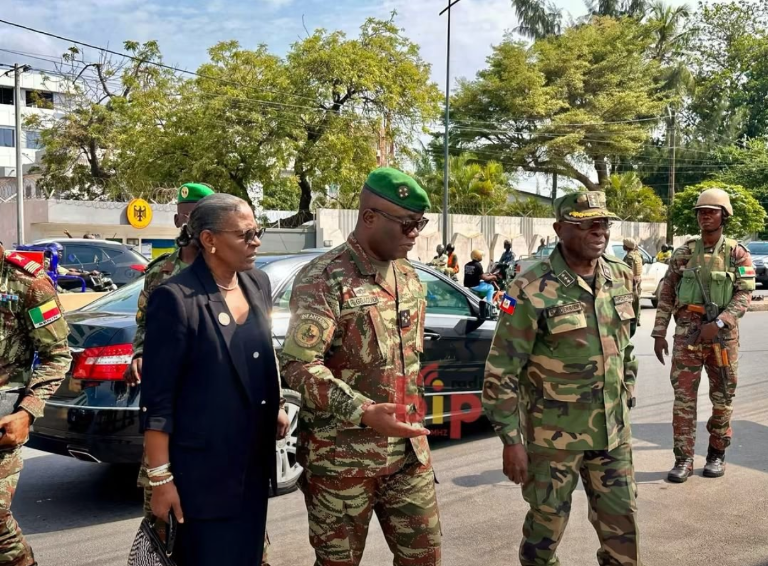
Public and institutional reactions to the Benin-Haiti security partnership As armed gangs extend their control across key Haitian territories, the crisis has sparked intense debate within Port-au-Prince’s political and military circles. The proposed military cooperation with Benin, while seen as a pragmatic response, has divided public opinion between those advocating for outside expertise and skeptics warning against over-reliance on foreign models. Officials, however, emphasize the urgency of bolstering Haiti’s operational capabilities amid collapsing state authority. The strategic stakes of Benin’s military cooperation Haiti’s deepening security vacuum has left its institutions…

Read More

Senegal’s parliament rejects 2026 budget amid deepening rift with ruling party

The political fallout from Senegal’s shifting power dynamics has reached a critical juncture after the National Assembly’s decisive rejection of the 2026 supplementary budget. The vote exposes a widening rift between President Bassirou Diomaye Faye’s administration and the parliamentary majority of the PASTEF, highlighting deepening institutional strains that could reshape the country’s economic and political landscape. Parliament delivers a stinging rebuke to the government The National Assembly’s overwhelming vote—109 to 20 with three abstentions—against the 2026 supplementary finance bill marks a rare setback for an executive branch accustomed to legislative…

Read More

Ghana’s border explosion sparks urgent debate on regional security threats

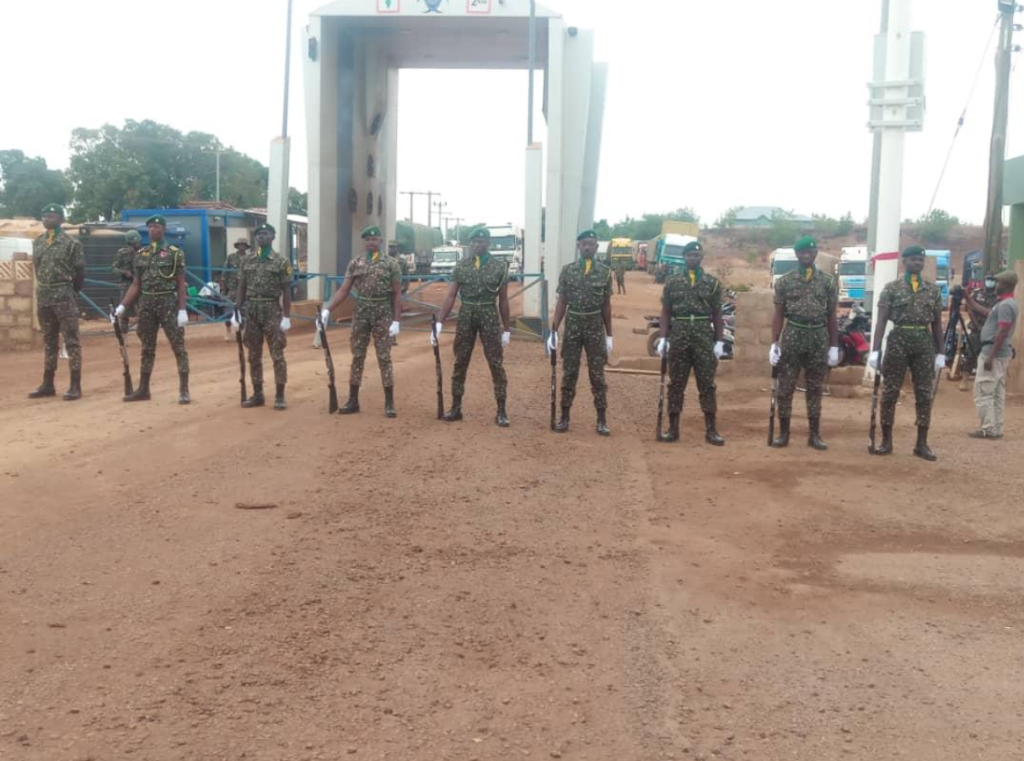
The tragic blast in Ghana’s northern frontier has ignited fierce debate over cross-border risks and the immediate steps needed to prevent further disaster. A suspected explosive-laden tricycle detonated near Hamile, claiming lives and leaving authorities scrambling for answers amid escalating regional instability. Chilling aftermath of the Hamile explosion The explosion in Hamile, Upper West region, left one immigration officer dead and another security personnel critically injured. Civilian occupants of the tricycle transporting suspected dynamite were also killed in the blast, which erupted during a high-speed pursuit by security forces. What…

Read More

Behind the political tensions in Democratic Republic of Congo: Martin Fayulu exposes critical insights

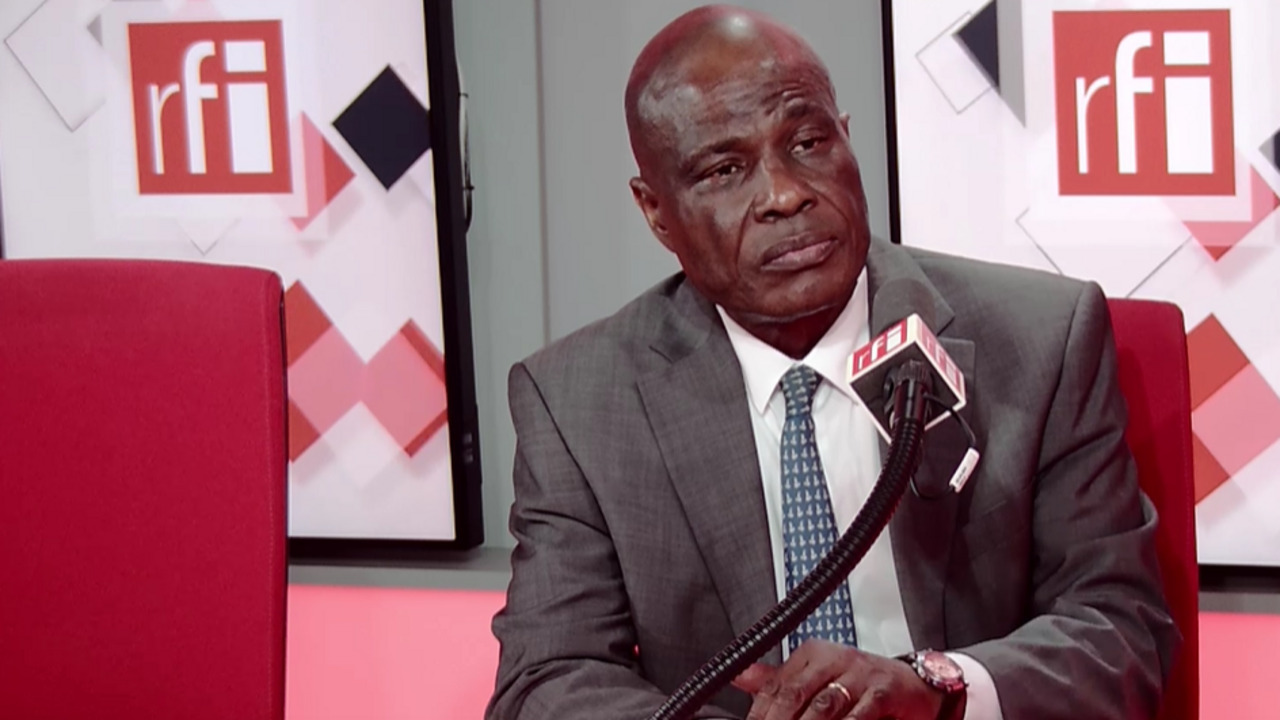
In the Democratic Republic of Congo, President Félix Tshisekedi’s pledge for a national dialogue has sparked deep skepticism among political observers. The opposition’s frustration has intensified following the arrest of prominent figure Prince Epenge, raising questions about the integrity of the process. The Coalition Article 64 (C64), a united front of opposition parties, is pushing for direct engagements with both Tshisekedi and former President Joseph Kabila to address these concerns. Their recent European tour underscores a strategic effort to secure tangible commitments. But what exactly are the opposition’s demands, and…

Read More

Haïti and Benin’s military talks: what next for regional security cooperation?

The fallout from Haiti’s deepening security crisis continues to ripple across the Caribbean and West Africa, with Benin now at the center of a renewed debate over regional military cooperation. The two-day visit to Cotonou by Haiti’s top military commander, Lieutenant-General Derby Guerrier, has reignited discussions about potential Beninese support in Port-au-Prince’s struggle against armed gangs and collapsing institutions. Will Benin finally answer Haiti’s call for security assistance? Since the Haitian government first floated the idea of international military intervention two years ago, the conversation has been mired in logistical…

Read More

After Wagner: how Africa’s military suppliers face shifting power dynamics

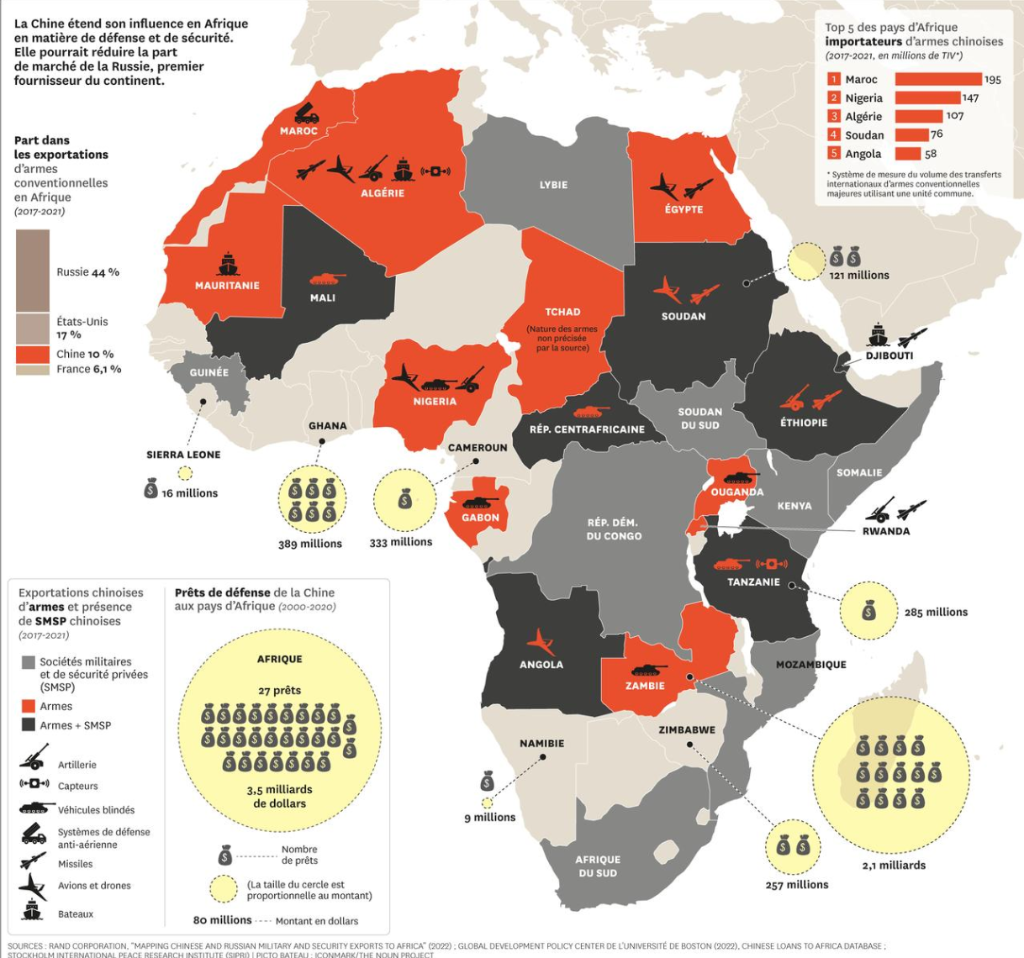
Behind the headlines: the real leaders in Africa’s arms supply race As Russian influence wanes and global powers recalibrate their strategies, a fierce debate is unfolding across Africa about who truly supplies the continent’s militaries. The narrative of Moscow as the dominant force in African security partnerships is crumbling under scrutiny—and the data tells a different story. Who really leads in African military imports? The latest figures from the Stockholm International Peace Research Institute (SIPRI), covering 2021 to 2025, paint a clear picture: the United States tops the continent’s arms…

Read More

Togo’s debt dilemma: why borrowing limits spark national debate

The tipping point: can Togo keep borrowing without destabilizing its economy? The government of Togo faces growing scrutiny as it navigates the fine line between financing development and avoiding a debt spiral. With public debt reaching 60.2% of GDP by mid-2026—just 9.8 percentage points below the 70% ceiling set by the West African Economic and Monetary Union (WAEMU)—the debate over sustainable borrowing has intensified. While the ratio has improved slightly from 62.8% at the end of 2025, the absolute debt figure tells a different story. Central government debt rose from…

Read More

Midterm elections looming: Trump’s last-minute military strike draws mixed reactions as voters weigh consequences

At the eleventh hour: Trump’s strike in Hormuz stirs controversy amid midterm races The days leading up to the U.S. midterm elections have been marked by high-stakes political maneuvering—and now, military action in one of the world’s most volatile regions. Just hours before voters head to the polls, the Trump administration authorized precision strikes on Iranian targets in the Strait of Hormuz, particularly on Qeshm Island. Advocates of the move frame it as a defensive measure to curb escalating threats, but critics argue it risks inflaming tensions at a pivotal…

Read More

Ukraine war fallout: how Russia’s mercenary recruitments spark outrage across Africa

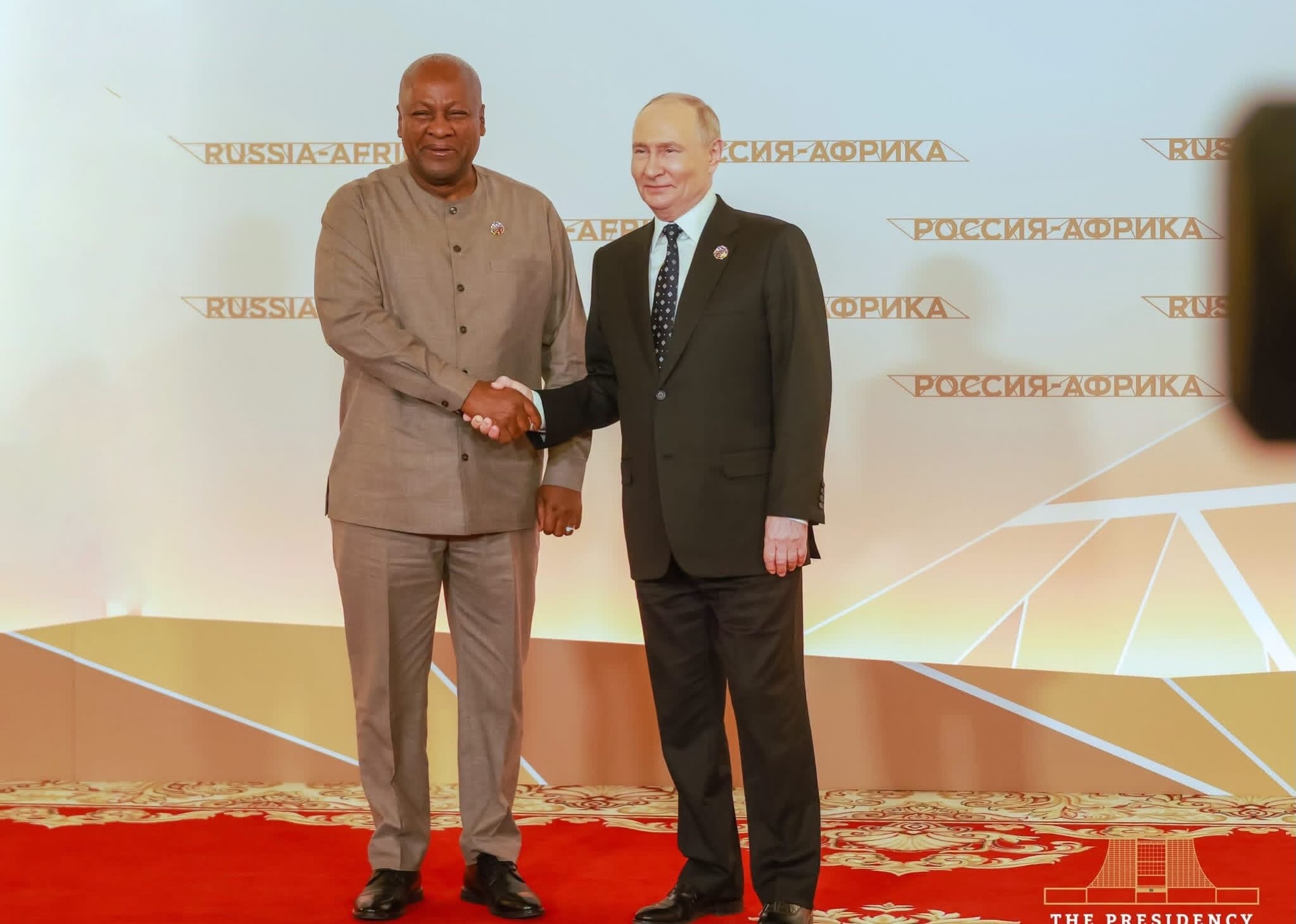
The backlash grows: African governments demand Moscow halt controversial war recruitment The recent pledge by Accra to extract a formal commitment from Moscow to stop recruiting Ghanaian fighters for Ukraine reads less like a diplomatic victory and more like a damning admission of a transnational human trafficking ring operating with impunity. Behind closed doors and empty diplomatic platitudes, evidence now confirms that hundreds of young Africans—lured by hollow promises of wealth and European passports—have been sent into the Ukrainian frontlines as expendable cannon fodder. For Ghana alone, the human cost…

Read More

Burkina Faso’s new education policy triggers backlash from students and expatriates

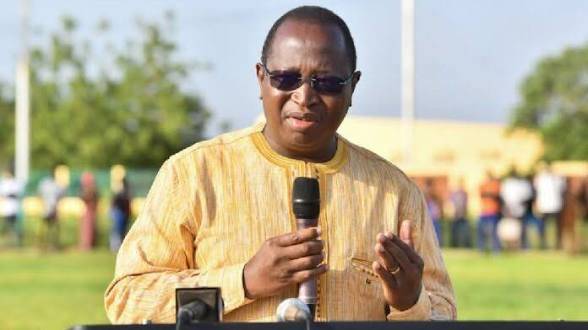
Burkina Faso’s government has once again demonstrated its rigid and authoritarian tendencies by publicly chastising young graduates from the diaspora. During a flag-raising ceremony at the Ministry of Higher Education, the Minister of Higher Education, Professor Adjima Thiombiano, launched a scathing verbal attack against these students. Their only offense? Expressing online reservations or criticism about the country’s educational system or daily realities. Rather than engaging in constructive dialogue or adopting a diplomatic approach, the minister resorted to threats, bluntly telling the youth, “If Burkina Faso doesn’t suit them, they should…

Read More

Benin’s digital case file system sparks public debate on administrative reform efficiency

Public reaction to Benin’s online case file system Benin’s decision to allow instant digital access to case files has ignited discussions about the broader implications of administrative digitization. While supporters praise the move as a breakthrough in public service modernization, critics question whether the transition adequately addresses the needs of all citizens, particularly those unfamiliar with digital tools. The debate reflects deeper concerns about accessibility, data security, and the pace of institutional change. A decade-long push for digital administration The introduction of online case file retrieval marks the latest chapter…

Read More