After Algeria’s bold military move, Niamey seeks new partners
The Nigerian Prime Minister Ali Mahaman Lamine Zeine’s surprise visit to Benghazi on November 1st and the subsequent signing of a strategic cooperation agreement with Libya’s eastern authorities are sparking heated debates across the Sahel. What began as a routine diplomatic exchange has quickly evolved into a geopolitical chessboard where military ambitions and regional rivalries collide.
The timing could not be more critical. Just days before the Benghazi meetings, Algeria’s parliament approved the deployment of its National People’s Army (ANP) to Niger—a move framed as protecting economic and energy interests, but one that has sent shockwaves through the region. With Algeria now actively positioning troops at the strategic Madama military base near the Libyan border, questions are mounting: what does this mean for Niamey’s relationship with Benghazi’s Haftar faction, and how will smaller Sahelian nations adapt?
Algeria’s troops in Niger: a game-changer or a provocation?
On paper, Algeria’s military presence in Niger is justified by security concerns and economic protection. Officials point to the need to safeguard energy investments—particularly oil and the proposed Trans-Saharan gas pipeline—as key drivers behind the decision. Yet behind closed doors, the move is widely seen as an assertion of Algerian influence in a region long dominated by French and Western security frameworks.
The Madama base, located in Niger’s northeast, is not just a logistical hub—it’s a powerful surveillance outpost overlooking the Libya-Algeria-Niger frontier. From this vantage point, Algerian forces could monitor arms trafficking routes and militant movements across the Sahara. But the question on everyone’s mind is: What are Algeria’s long-term intentions?
For now, Algiers insists its deployment is defensive—a response to growing instability in the Sahel. Yet the Haftar-aligned eastern Libyan government views the move with deep suspicion, interpreting it as an attempt to contain their own expansion into southern Libya.
Haftar’s southern advance: a direct challenge to Algerian dominance?
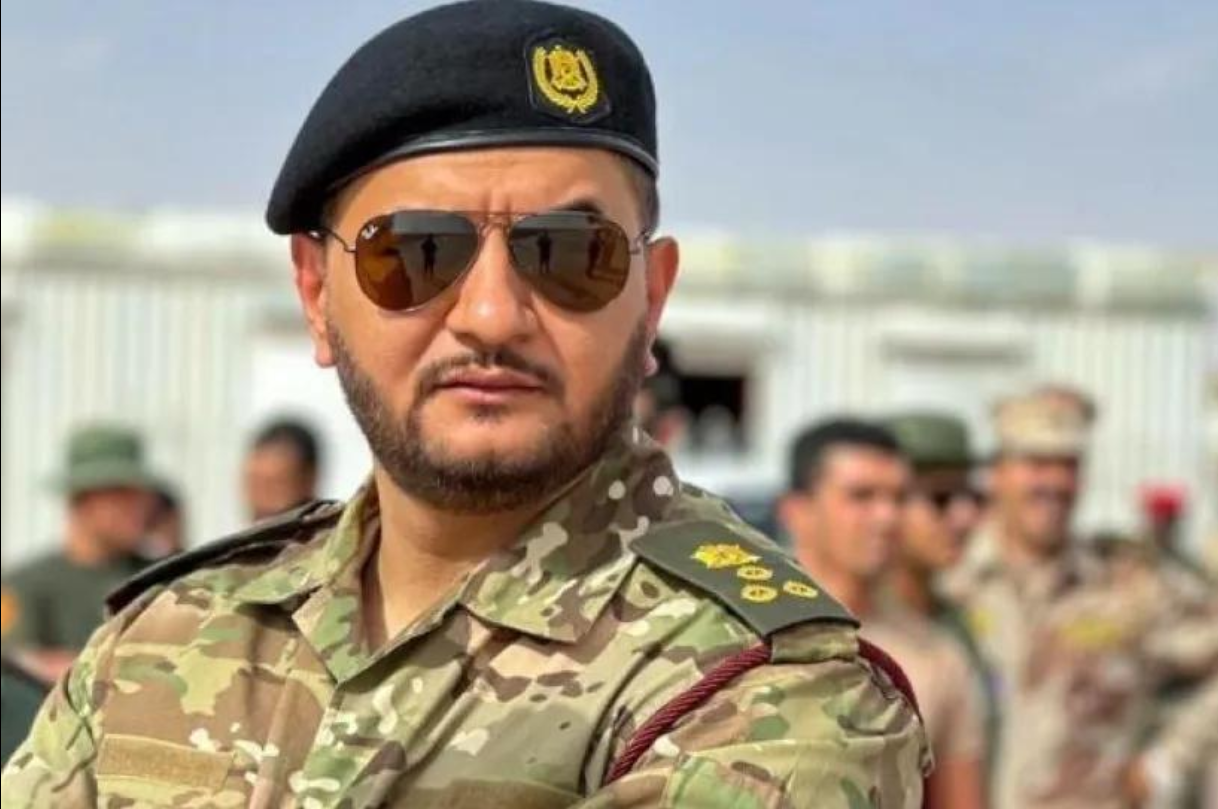
Under the leadership of Saddam Haftar, son of Libyan warlord Khalifa Haftar, forces affiliated with the eastern government have steadily gained ground in southern Libya. Their presence near Niger’s border has raised alarms in Algiers, where officials fear an erosion of their control over strategic corridors linking the Maghreb to the Sahel.
Analysts warn that the Haftar faction’s consolidation in the region could disrupt Algeria’s long-standing influence. In particular:
- Economic channels at risk: The Trans-Saharan gas pipeline project, a vital link connecting Nigeria to Europe through Algeria, could face delays or worse if southern Libya becomes a battleground.
- Security gaps exploited: Militant groups operating near the triple border could exploit tensions between Algeria and Haftar’s forces, intensifying cross-border threats.
- Diplomatic isolation: Algeria’s preference for dialogue with Tripoli—rather than cooperation with Haftar—has left it increasingly sidelined in regional security discussions.
The Benghazi agreement signed by Niger and the Haftar-aligned government now throws open the possibility of a closer Niger-Libya security partnership. Could this be the first step toward a formal alliance, or merely a tactical move to balance Algeria’s growing influence?
Niamey caught between two fires
For Niger, the stakes could not be higher. The country sits at the nexus of three shifting geopolitical currents: Algeria’s military push, Haftar’s expanding reach, and persistent threats from armed groups linked to Al-Qaeda and the Islamic State.
Balancing these interests is a delicate act. By engaging with both Algiers and Benghazi, Niger’s government may be trying to:
- Diversify security partners: Avoid over-reliance on Western or Algerian security guarantees.
- Leverage economic opportunities: Attract investment from multiple regional players amid declining French military presence.
- Maintain strategic autonomy: Avoid being forced into alignment with either Algeria or Haftar against its will.
Yet this balancing act carries risks. A misstep could turn Niger into the proxy battleground in a silent war between Algiers and Benghazi. Already, accusations of foreign support for rebel factions in southern Libya circulate, though no concrete evidence has been made public.
Meanwhile, Algerian officials have publicly warned against any “foreign interference” along their southern flank. Could this be a veiled reference to Haftar’s growing footprint?
A shifting Sahel: what’s next for the Algeria-Haftar rivalry?
The Benghazi meetings were not just a diplomatic milestone—they signal a new phase in Sahelian geopolitics. As Algeria reinforces its military posture and Haftar’s influence spreads, smaller nations like Niger find themselves navigating a treacherous landscape of shifting alliances.
The coming months will reveal whether the Niger-Libya cooperation protocol remains a symbolic gesture—or if it becomes a catalyst for deeper military coordination against perceived Algerian encroachment. One thing is certain: the days of quiet diplomacy in the Sahara are over.
The real question is no longer *if* Algeria and Haftar’s factions will clash—but *when* and *how*.