What happened in Minna? A cell turned deadly overnight
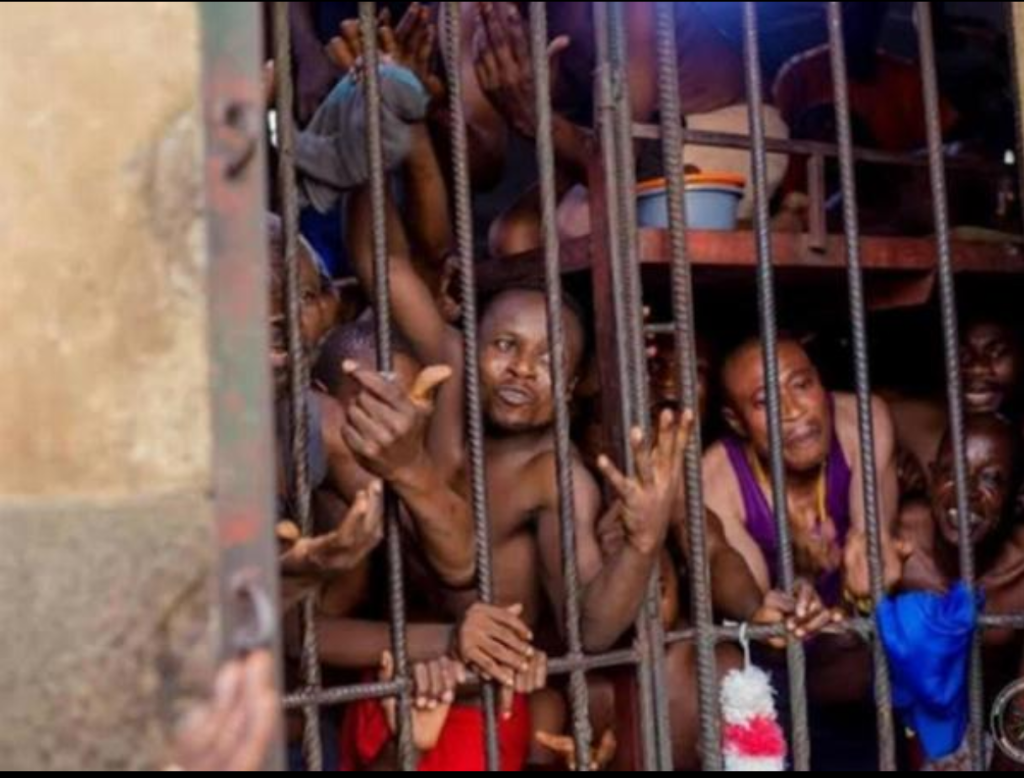
Thirty-three people, including 14 children, lost their lives in a 12-square-meter cell in Minna, Niger State. The tragedy unfolded overnight between September 16 and 17, 2026, in a facility run by the Nigeria Security and Civil Defence Corps (NSCDC), an agency responsible for civil security operations. At the time of the incident, nearly 50 detainees were crammed into a space not fit for such numbers—conditions that became fatal.
The conditions that led to tragedy: suffocation, silence, and suffering
The independent investigative commission, which released its findings on October 27, 2026, identified a lethal combination of factors: extreme overcrowding, poor ventilation, scorching heat, dehydration, and a breakdown in supervision. Survivors later recounted desperate attempts to stay alive amid unbearable circumstances, including drinking their own sweat or urine when no water was available. Toilets were non-functional, and access to life-saving water was severely restricted.
The commission’s report did not mince words—conditions inside the cell were not just inadequate; they were cruel, inhuman, and degrading. Even more damning was the revelation that guards reportedly ignored repeated distress signals for hours, leaving suffocating detainees to perish without intervention. The tragedy, the report concluded, was entirely preventable.
A grim accounting: who died, and who survived?
Initial reports suggested 37 fatalities, but the official toll confirmed 33 deaths, including 14 minors. Forty-one individuals survived, many bearing physical and psychological scars. The discrepancy underscores deeper irregularities: some detainees had been held without due process, while others—particularly children—were allegedly kept with adults in clear violation of international standards protecting minors.
Investigators also uncovered reports of illegal detentions, with some individuals incarcerated beyond statutory limits or without formal charges. The commission has called for disciplinary action against responsible staff, criminal prosecutions where evidence supports it, and reparations for victims’ families and survivors.
Beyond Minna: Africa’s prison crisis exposed
Overcrowding as a systemic failure
The Minna tragedy is not an isolated horror—it is a symptom of a continent-wide crisis. According to the United Nations Office on Drugs and Crime (UNODC) Prison Matters 2025 report, over 90% of African countries with available data operate prisons beyond official capacity. Globally, more than 60% of prison systems face similar pressures. The root causes are structural: aging infrastructure, underfunded administrations, and excessive reliance on pretrial detention.
Jails overflow with the presumed innocent
In Africa, nearly 37% of incarcerated individuals in 2023 were awaiting trial—people presumed innocent under law yet languishing in conditions that mock due process. Contributing factors include glacial court backlogs, a shortage of judges, limited access to legal representation, and an overreliance on preventive detention. The result? Detainees, who should be protected by the law, are instead exposed to life-threatening environments.
How to prevent the next tragedy: reforms that matter
The prison system must never become a sentence of additional suffering. Loss of liberty should never equate to loss of dignity—or life. To prevent future catastrophes, African governments must move beyond cosmetic fixes. Meaningful change requires accelerating judicial processing, expanding legal aid, and expanding alternatives to incarceration for eligible offenses. Facilities must be renovated to meet basic standards, with reliable access to clean water, sanitation, and healthcare. Staff must receive proper training, and minors must be separated from adult detainees at all times.
The United Nations Nelson Mandela Rules serve as a moral compass: every detained person is entitled to respect and humane treatment. Compliance should not be optional. At Minna, 33 lives—14 of them children—were taken in a space where even breathing became impossible. This catastrophe demands answers: Can justice systems claim legitimacy when the very institutions entrusted with custody turn deadly? The response must go beyond punishment—it must reimagine detention as a space of rehabilitation, not ruin.