The fallout over Burkina Faso’s gold sector: public debate intensifies on sovereignty claims
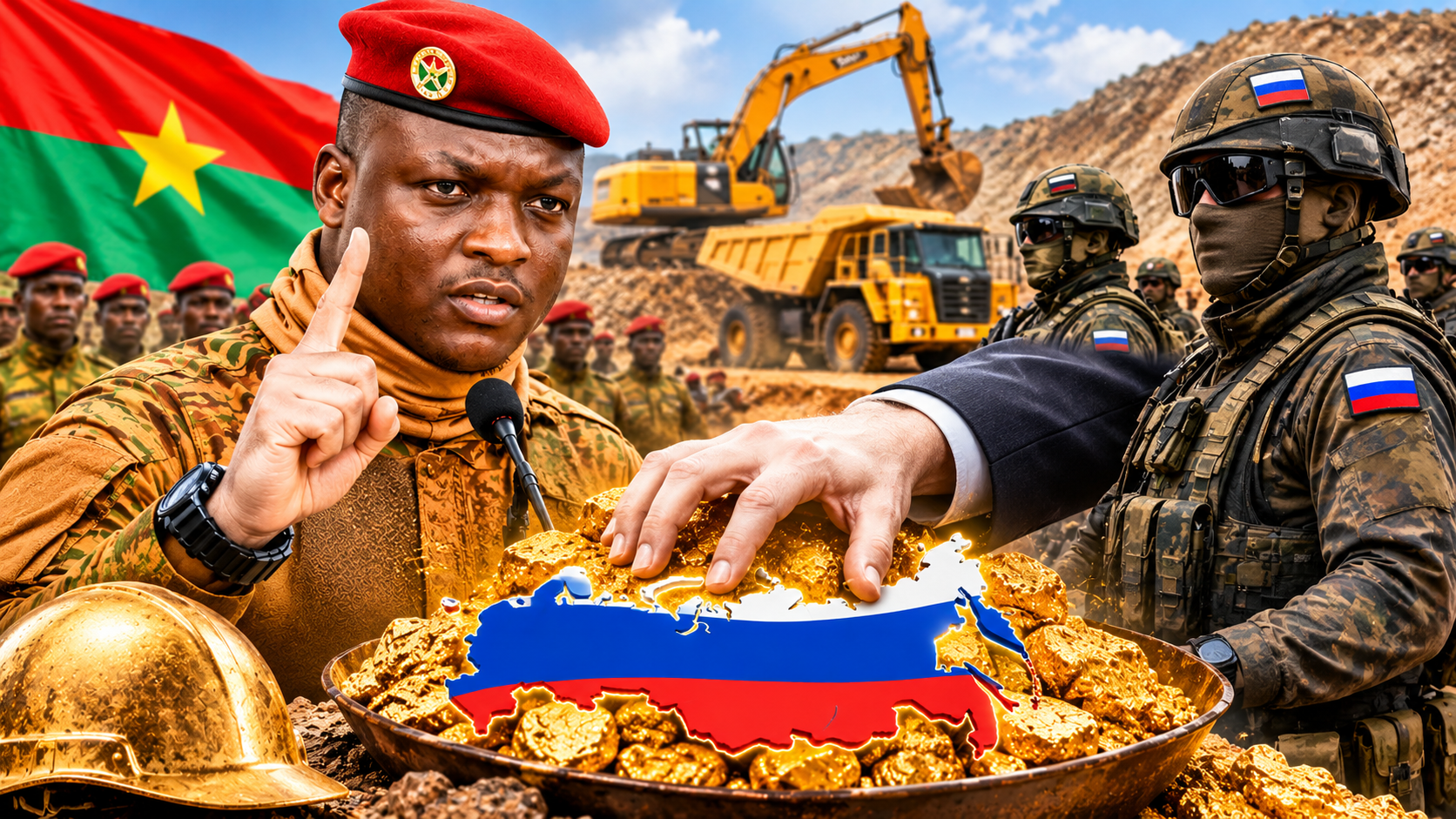
The Burkinabè military leadership has long championed its commitment to reclaiming national control over gold resources, framing the issue as a cornerstone of economic sovereignty. Yet the escalating presence of Russian security firms guarding mining sites has ignited a contentious debate about the true extent of Burkina Faso’s authority over its most lucrative natural asset. As these private military contractors expand their footprint across key gold operations, the government’s repeated assertions that the mineral wealth belongs exclusively to its people are facing unprecedented scrutiny.
While President Ibrahim Traoré’s administration presents the shift as a strategic move to break free from historical dependencies, the practical implications of outsourcing security to foreign entities raise critical questions about who ultimately holds operational control. The paradox is stark: a nation that claims to have reclaimed its gold sovereignty now relies on external actors to ensure the safety of the very sites generating that wealth.
Russian security firms emerge as key players in Burkina Faso’s gold mining landscape
The growing involvement of Russian security contractors in Burkina Faso’s gold sector has introduced a complex dynamic into the national discourse on sovereignty. These firms, operating under agreements with the transitional government, are increasingly responsible for the protection of mining infrastructure, transport routes, and personnel a function traditionally reserved for state institutions. Their presence has sparked concerns about the balance of power between foreign security providers and Burkinabè authorities, particularly as contract terms and accountability mechanisms remain opaque.
A gold mine is not merely a site of extraction; it is a high-stakes economic hub that influences national revenue, regional stability, and local development. When foreign entities are entrusted with safeguarding such facilities, the implications extend beyond commercial interests. They touch on national security, economic independence, and the government’s ability to enforce its own regulatory frameworks without external interference.
Transparency under question: who truly benefits from gold mining security contracts?
The opaque nature of agreements between Burkinabè authorities and Russian security firms has become a focal point of public criticism. Key aspects such as contract duration, financial terms, and the scope of operational responsibilities are rarely disclosed in detail. This lack of transparency fuels suspicions that the deals may not fully serve the interests of the Burkinabè people, despite official assurances to the contrary.
Critics argue that while the government emphasizes the ‘100% Burkinabè’ ownership of gold resources, the reality is far more nuanced. The security arrangements that protect these assets are increasingly dictated by foreign entities, raising concerns about long-term dependencies. If Burkina Faso’s gold wealth is to genuinely serve its population, the terms under which it is secured must be subject to rigorous scrutiny and democratic oversight.
From rhetoric to reality: the test of true economic sovereignty
The Burkinabè government’s commitment to economic independence has been a central theme of its political narrative. However, the expanding role of Russian security firms in the gold sector tests the credibility of this pledge. Sovereignty cannot be declared through speeches or policy changes alone; it must be demonstrated through tangible control over critical national assets and the ability to make autonomous decisions regarding their exploitation.
For the Burkinabè people, the stakes are clear: gold revenue should fund public services, infrastructure, and economic development not line the pockets of foreign contractors or a select group of beneficiaries. The government’s ability to negotiate fair, transparent agreements with security providers will determine whether the transition from rhetoric to reality is successful. Failure to do so risks undermining the very sovereignty the regime claims to uphold.
Accountability and national interest must guide future decisions
As Burkina Faso navigates this period of transition, the path forward must prioritize accountability and alignment with national interests. This includes ensuring that all security contracts are subject to public oversight, that financial flows are transparent, and that foreign entities operate within a clearly defined legal framework. The government must also demonstrate that its partnerships do not compromise its ability to make sovereign decisions about its resources.
The golden promise of ‘100% Burkinabè’ ownership can only be fulfilled if the security and economic structures surrounding gold extraction are firmly under national control. Until then, the debate over who truly secures Burkina Faso’s gold will continue to challenge the legitimacy of its sovereignty claims.
By Ousmane Tandja — Journalist