The United Nations Security Council found itself locked in a sharp diplomatic impasse on October 30, 2026, after two competing resolutions on Western Sahara failed to secure the necessary support. The clash between Washington and Moscow over the future of the disputed territory has exposed deep divisions within the Council, leaving the United Nations Mission for the Referendum in Western Sahara (MINURSO) and its mandate in limbo as the clock ticks toward a critical deadline.
US proposal pushes Morocco’s autonomy plan to the forefront
The US-backed draft resolution aimed to extend MINURSO’s mandate until October 31, 2027, while fundamentally altering the mission’s direction. Under the American proposal, Morocco’s autonomy initiative—submitted under Moroccan sovereignty—would have been designated as the sole framework for negotiations. Additionally, the resolution sought to remove references to a referendum from the mission’s name, effectively rebranding it as the United Nations Mission in Western Sahara (MINUSO).
More significantly, the proposal signaled a shift away from MINURSO’s traditional peacekeeping role toward a more political mission, potentially phasing out its core functions over time. This move was intended to accelerate a settlement process centered on a negotiated autonomy framework, sidelining other options, including full independence.
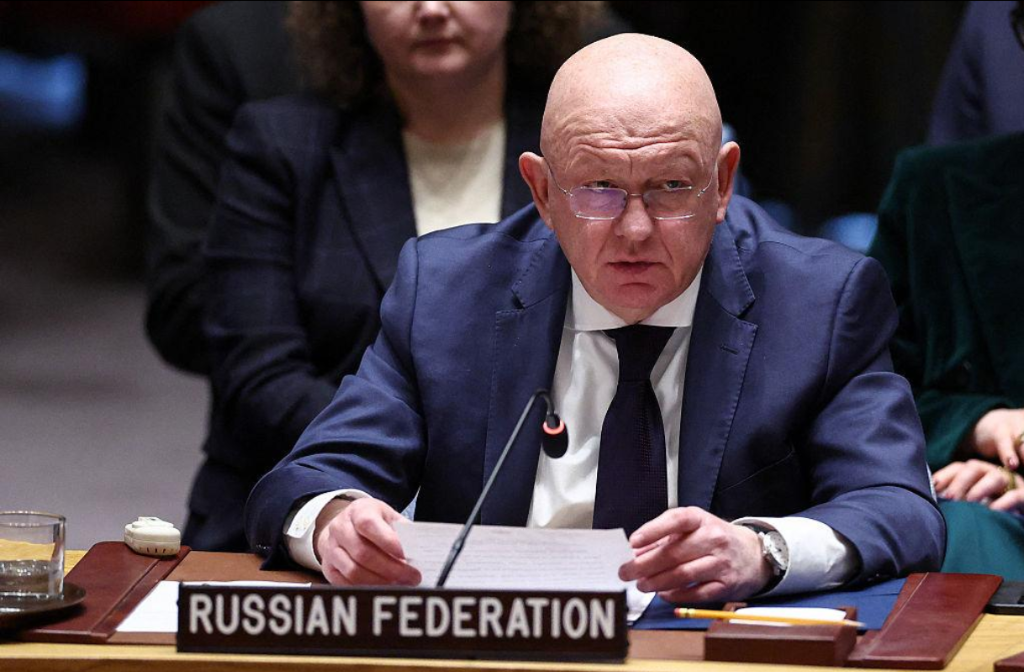
Russia vetoes US resolution, citing threats to self-determination
Moscow opposed the US draft, arguing that it prejudged the outcome of negotiations by prioritizing a single political solution. The Russian delegation emphasized that the proposal undermined the principle of self-determination for the Sahrawi people—a cornerstone of the UN Charter and the historical basis for the MINURSO mandate. In a vote held on October 30, the resolution received eleven favorable votes, three abstentions (from China, Pakistan, and Somalia), and one veto from Russia. Under UN rules, a single veto from a permanent member is sufficient to block a resolution, rendering the US proposal null and void.
This outcome dealt a setback to American diplomacy, which had sought to redefine the political landscape of Western Sahara by endorsing Morocco’s autonomy plan as the exclusive path forward. The veto underscored Russia’s determination to prevent what it viewed as an imbalanced approach that could marginalize alternative solutions.
Russian counterproposal fails to gain traction
With the US resolution blocked, Russia introduced a stripped-down alternative designed to preserve the status quo. The Russian draft proposed a simple one-year extension of MINURSO’s existing mandate, without any modifications to its name, structure, or objectives. The aim was to avoid an abrupt withdrawal of the UN presence, which critics warned could destabilize the region.
However, the proposal failed to secure the nine affirmative votes required for adoption. Only Russia, China, and Somalia supported it, while the US voted against it and eleven members abstained. The lack of sufficient support rendered the initiative unviable, prompting concerns about the Council’s ability to act cohesively in the face of divergent national interests.
This double failure—first the US resolution blocked by Russia, then the Russian proposal rejected by the Council—laid bare a stark reality: neither Washington nor Moscow could impose its vision on the conflict. The impasse highlighted the Council’s paralysis when core principles of the UN Charter collide with geopolitical rivalries.
Self-determination at the heart of the standoff
The dispute over Western Sahara hinges on a fundamental question: the right of the Sahrawi people to freely determine their political future. Established in 1991 under a UN settlement plan, MINURSO was tasked with organizing a referendum on self-determination. Yet decades of deadlock have prevented the vote from ever taking place, as parties remain divided over voter eligibility and the referendum’s implementation.
The Moroccan government champions its autonomy plan as a pragmatic solution under Moroccan sovereignty, while the Polisario Front insists on the right to a referendum that includes independence as a possible outcome. For Sahrawi representatives and their supporters, framing negotiations solely around Morocco’s proposal risks foreclosing alternatives that align with international law and the principle of self-determination.
MINURSO’s future hangs in the balance after the Security Council impasse
The October 30 deadlock left the Council without a consensus on MINURSO’s renewal, even as its mandate was set to expire on October 31, 2026. The absence of a decision raises urgent questions about the continuity of the UN presence in Western Sahara and the potential consequences of a withdrawal. Analysts warn that a breakdown in the mission could exacerbate tensions in a territory already marred by decades of conflict and stalled negotiations.
The failure of both the US and Russian proposals underscores a broader crisis within the Security Council. When permanent members prioritize strategic interests over collective action, the Council’s ability to resolve disputes through diplomacy is severely compromised. For the Sahrawi people, the stakes could not be higher: access to a legitimate political process and the right to choose their own destiny remain elusive amid great-power rivalries.
What’s next for Western Sahara?
- Diplomatic gridlock: The Council’s inability to adopt a resolution leaves the path forward unclear, with no immediate mechanism to break the deadlock.
- Regional implications: A prolonged absence of UN oversight could embolden unilateral actions by parties on the ground, increasing the risk of escalation.
- Humanitarian concerns: Prolonged instability threatens the well-being of Sahrawi civilians, particularly in refugee camps along the Algerian border.
- International law at risk: The erosion of the self-determination principle risks setting a dangerous precedent for other unresolved conflicts.
As the Security Council remains mired in disagreement, the people of Western Sahara face an uncertain future. The events of October 30 serve as a stark reminder that without compromise, the promise of self-determination may continue to slip further out of reach.