The strategic pivot: what’s driving Lomé’s new focus on Moscow
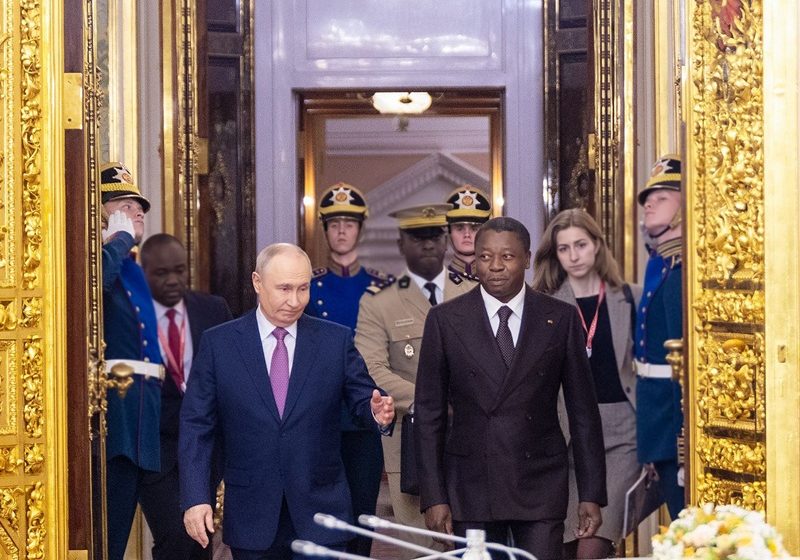
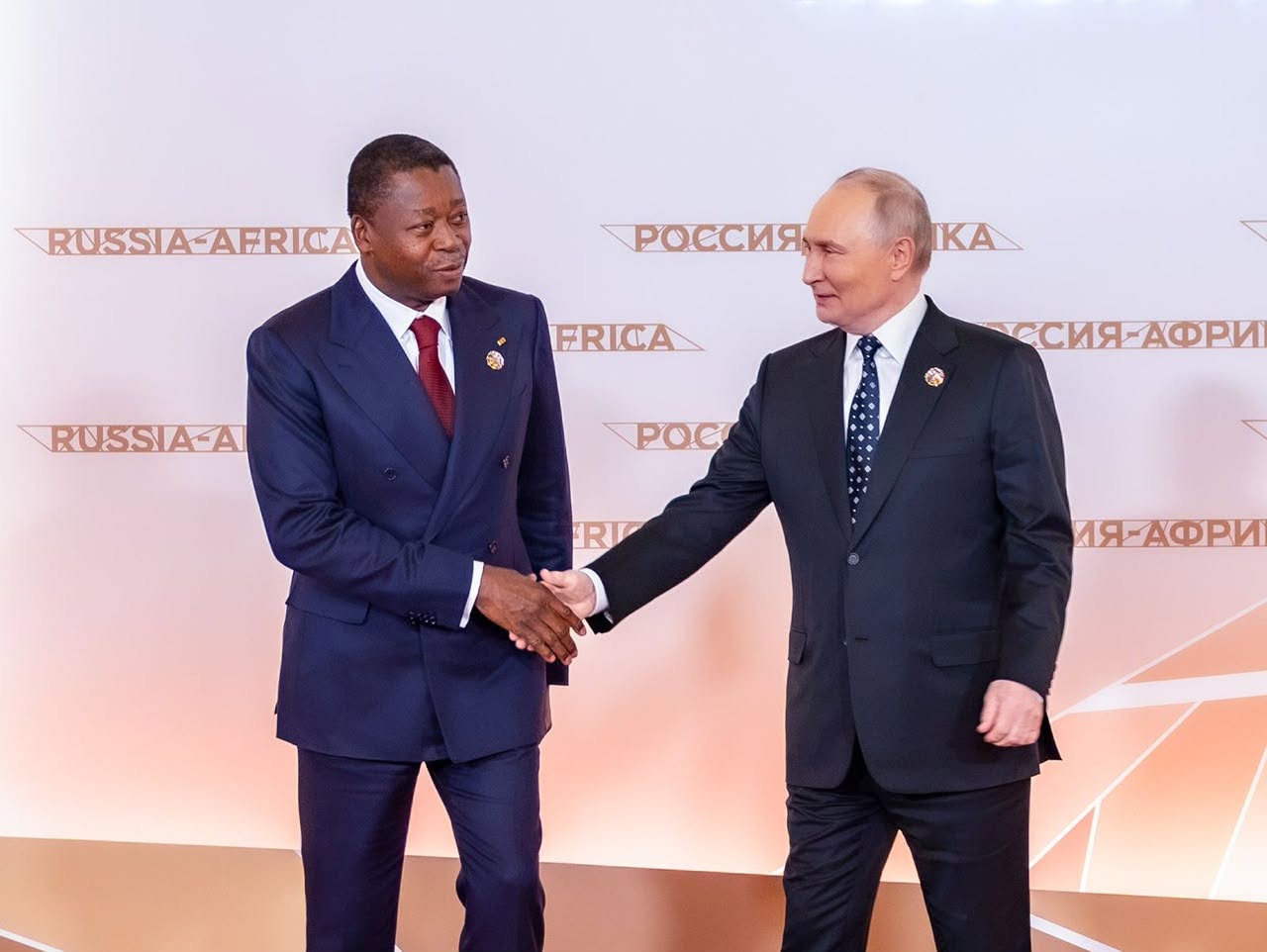
When Faure Essozimna Gnassingbé stepped onto the stage at the third Russia-Africa Summit in Moscow in late October 2026, his agenda wasn’t just diplomatic window-dressing—it was a carefully laid blueprint for unlocking Togo’s next growth chapter. Behind the handshakes and photo opportunities lay a quiet calculation: how to convert long-standing principles into tangible dividends for Togolese families, farmers and factory floors.
The power grid and farm gate: why energy and agriculture sit at the top of the wish list
The President’s briefing papers reveal two sectors where Togo sees low-hanging fruit—and high stakes. On the energy front, the target is simple: plug chronic supply gaps and slash the $180 million annual import bill for refined products. Lomé is urging Moscow to co-finance new thermal plants and upgrade the Lomé power hub, currently haemorrhaging 30 % of generated electricity to losses in the grid.
In agriculture, the calculus is equally stark. With 60 % of the population still tethered to rain-fed farming, Togo’s food-import bill hit $420 million last year—more than double the 2018 figure. The plan now is to leapfrog from subsistence to surplus by deploying Russian-made irrigation kits, drought-resistant seed stock imported under a fresh bilateral seed protocol, and modern cold-storage hubs along the N1 highway corridor.
Factories first: how industrial Upcycling could rewrite Togo’s economic rulebook
Energy and food are the headline acts, but the real magic happens on the factory floor. Togo’s industrial strategy rests on three pillars: phosphate-to-fertiliser conversion, cashew nut processing, and light assembly of Russian-branded solar kits. The math is compelling: each ton of locally transformed phosphate adds $280 in value versus $80 for raw rock; cashew nuts exported shelled and roasted fetch $1.40 per kg versus $0.50 unprocessed.
To turn these paper margins into production lines, Lomé has pencilled in a $120 million soft-loan tranche from the Russian Export Centre—already earmarked for a 40,000-ton fertiliser plant at Kpémé and a 15,000-ton cashew processing facility in Tchamba. Both sites sit alongside the new deep-water port rail spur, slashing logistics costs by an estimated 22 %.
Knowledge transfer: the invisible engine behind Togo’s modernisation drive
Hardware is only half the equation. The other half is human capital. Togo’s delegation returned from Moscow with seven twinning agreements between Russian polytechnics and Togolese vocational schools, targeting 3,500 graduates annually in welding, mechatronics and agro-machinery repair. The first cohort of 214 Togolese students is already boarding Aeroflot flights to Saint Petersburg each September under a new Presidential scholarship scheme.
On the scientific frontier, Lomé and Moscow have launched a joint agro-climate laboratory in Sokodé, staffed by Russian climatologists and Togolese agronomists. Its mandate: to calibrate planting calendars to shifting rainfall patterns—a task made urgent after last year’s harvest losses due to false-start rains.
From MOUs to concrete gains: the hard yards ahead for Togo-Russia ties
The ink is barely dry on seven fresh memoranda of understanding signed in the Kremlin corridors, yet the real pressure point is execution. The litmus test will be the first joint cabinet meeting of the newly constituted Togo-Russia Intergovernmental Commission, scheduled for Lomé in March 2027. Its agenda items read like a mini-Manifest Destiny: energy diversification, agricultural commodity corridors, and industrial cluster zoning.
Early indicators are cautiously positive. Russia’s state development bank has already cleared a $45 million line for upgrading the 65 MW Nangbeto hydropower spillway—work set to begin once the Chinese contractor currently tied up in Kenya concludes its current project. Meanwhile, a Russian agro-consortium has submitted expressions of interest for a 5,000-hectare irrigation scheme along the Mono River, promising to irrigate 40,000 hectares within 36 months if funding gates swing open in Q2 2027.
The ultimate question, however, remains unanswered: will these initiatives translate into electricity that reaches village clinics at night and tomatoes that reach supermarket shelves at competitive prices? For Faure Gnassingbé, the summit was never about grand photo opportunities—it was about ensuring that every ruble of future cooperation buys a kilowatt-hour of reliable power or a bag of locally grown rice.