The recent sterilisation failings at a dental clinic in Orléans have sparked a major public health alert, with nearly 500 patients urged to undergo HIV and hepatitis testing. Beyond this isolated case, the incident has reignited debates about infection control in dental practices, both locally and abroad.
Public health fallout from Orléans dental centre breach
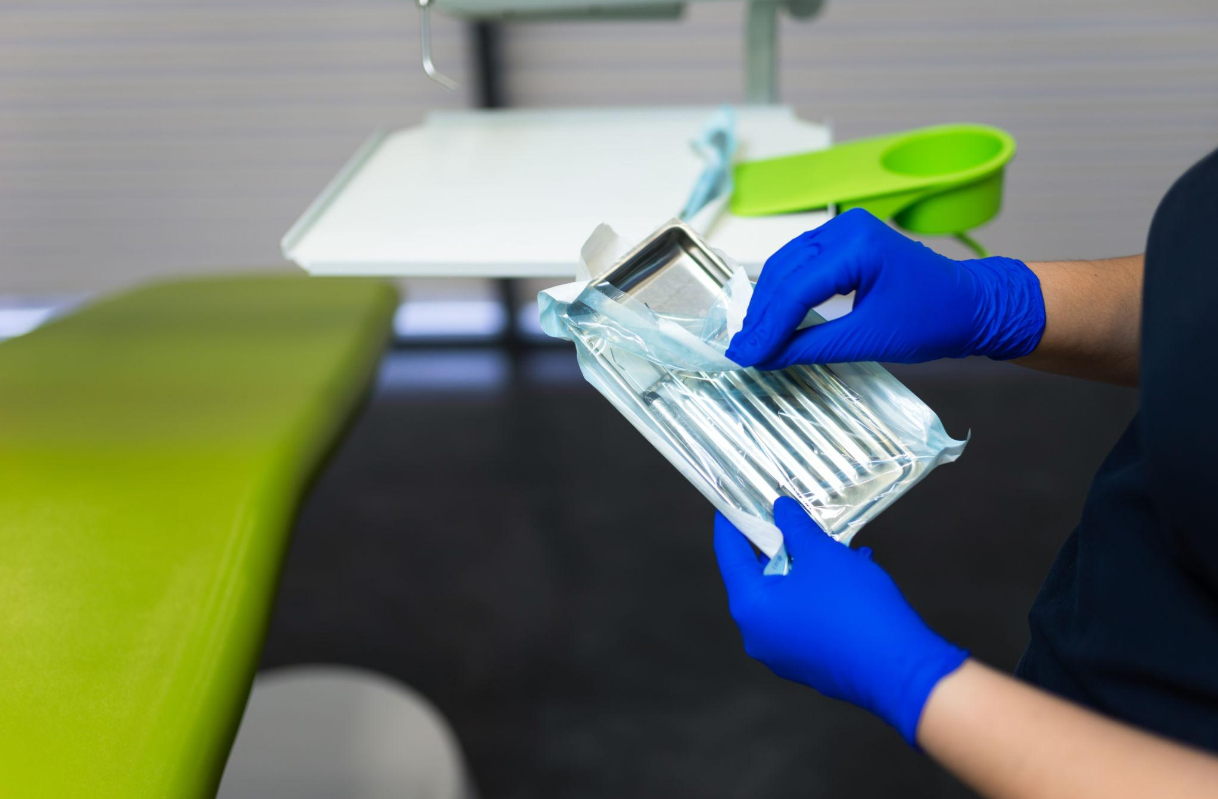
Health authorities in France’s Centre-Val de Loire region have ordered the closure of a dental clinic in Orléans after discovering serious irregularities in sterilisation procedures. The regional health agency (ARS) identified multiple breaches, including the use of a sterilisation machine despite failed operational tests in August 2026. Additional concerns involved improper instrument packaging, storage, and record-keeping.
In response, the ARS suspended the clinic’s operations and launched a notification campaign to inform the 500 patients who received dental care there during the affected period. While authorities stress that the risk of infection remains very low, they have called for precautionary blood testing to rule out any potential transmission of HIV, hepatitis B, or hepatitis C.
How flawed sterilisation exposes patients to bloodborne diseases
Dental instruments that come into contact with blood must be meticulously cleaned and sterilised before reuse. A breakdown in this process can leave contaminated residues on equipment, posing a risk of transmitting bloodborne viruses between patients.
In this case, the use of a malfunctioning steriliser and other procedural gaps created a potential pathway for infection. While no confirmed cases have been linked to the Orléans clinic, health officials emphasise the importance of rigorous sterilisation protocols to prevent such scenarios in the first place.
What authorities say about the risk level
The ARS has stated that the probability of transmission is extremely low based on available evidence. However, they acknowledge that the possibility cannot be entirely ruled out given the lapses in standard procedures. The testing drive aims to provide reassurance to patients while ensuring rapid medical intervention if any exposure is detected.
Dental hygiene concerns extend beyond France’s borders
The Orléans scandal has drawn attention to broader questions about infection control in dental practises, particularly in regions with limited resources. While not all African dental facilities face the same risks, several countries have documented gaps in sterilisation knowledge, equipment access, and regulatory oversight.
A study in Yaoundé, Cameroon, for instance, revealed shortcomings among dental professionals in sterilisation practices, highlighting the need for improved training, better equipment, and stricter hygiene audits. Similar challenges—such as shortages of sterile supplies and inconsistent enforcement of safety protocols—have been reported in other African nations.
Regardless of setting, dental clinics must prioritise infection prevention to safeguard patient health. Routine inspections, staff education, and reliable sterilisation equipment are critical to mitigating risks associated with reusable instruments.
Patient safety: what to watch for before and after treatment
While dental professionals bear ultimate responsibility for sterilisation, patients can take proactive steps to protect themselves. Observing a practitioner’s hygiene habits—such as hand washing, glove changes, and the use of sealed sterile instruments—can serve as a useful indicator of a clinic’s standards.
Patients should also confirm that single-use items, like needles or syringes, are discarded after each procedure. Questions such as ‘How do you sterilise your instruments?’ or ‘Is this equipment single-use?’ are entirely reasonable and may help ease concerns.
If a patient suspects exposure to inadequately sterilised tools, seeking immediate medical advice is crucial. Early intervention—particularly for HIV exposure—can significantly reduce transmission risk, with post-exposure prophylaxis recommended within 48 hours where applicable.
Why sterilisation is non-negotiable in dental care
Quality dental care hinges on more than technical skill or advanced technology; it relies on adherence to strict infection control measures. The Orléans incident underscores the potentially severe consequences when these standards are compromised, even accidentally.
As African nations work to expand access to oral healthcare, authorities must integrate robust hygiene frameworks into every new or existing facility. No patient should leave a dental clinic with an infection contracted from contaminated equipment. Sterilisation is not a checkbox—it is a fundamental safeguard for both health and trust in medical care.