The Economic Community of West African States (ECOWAS) has reignited pressure on Togo to address the fallout from its controversial constitutional reforms, sparking a new round of public debate over governance, power consolidation, and the country’s political trajectory. A recent letter from the ECOWAS Community Court of Justice to the Togolese Minister of Justice demands clarity on steps taken to implement a January 2026 ruling that found the government in violation of democratic principles.
ECOWAS court reignites scrutiny over Togo’s constitutional changes
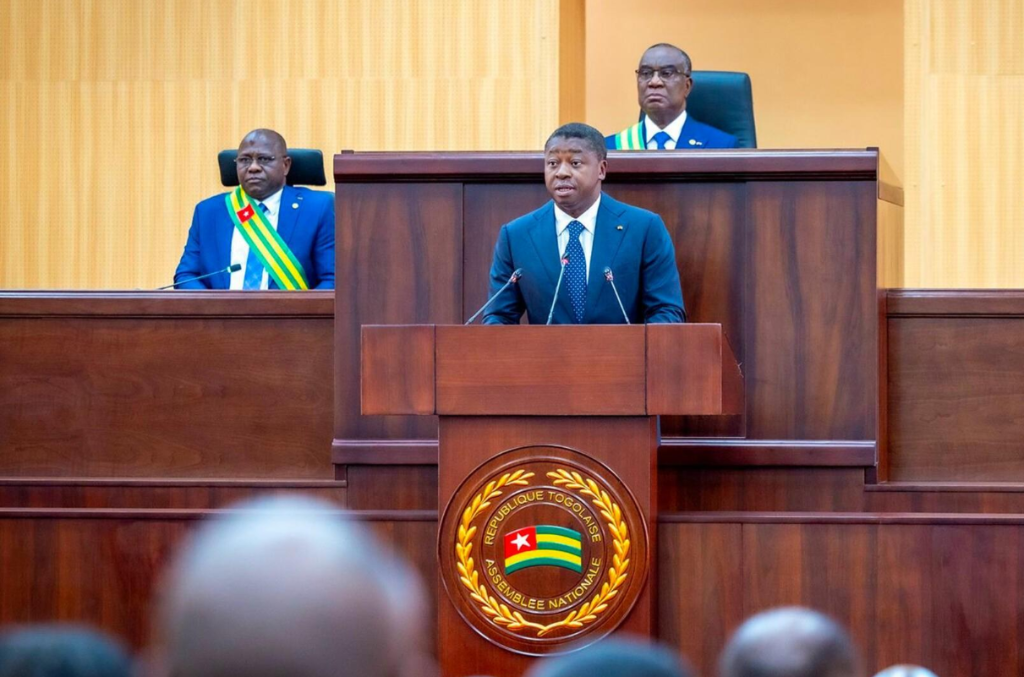
The ECOWAS Court’s October 2026 correspondence marks another chapter in a prolonged legal confrontation that has drawn regional attention. The court, in its January 2026 judgment, had ruled that Togo’s 2024 constitutional reform—replacing a presidential system with a parliamentary framework—failed to fully align with regional democratic commitments. By requesting updates on implementation, the court is not only reinforcing its oversight role but also urging Lomé to address lingering questions about institutional legitimacy.
The reforms, adopted in March 2024, stripped the presidency of key executive powers and introduced a new role: President of the Council of Ministers. While presented as a modernization effort, critics argue the changes were designed to allow Faure Gnassingbé—in power since 2005—to retain control of the executive through parliamentary means, sidestepping a direct presidential election. The opposition, alongside human rights groups like the Togolese League for Human Rights (LTDH), had challenged the reforms in court, setting the stage for the ECOWAS ruling.
Diplomatic shifts raise questions on Togo’s regional stance
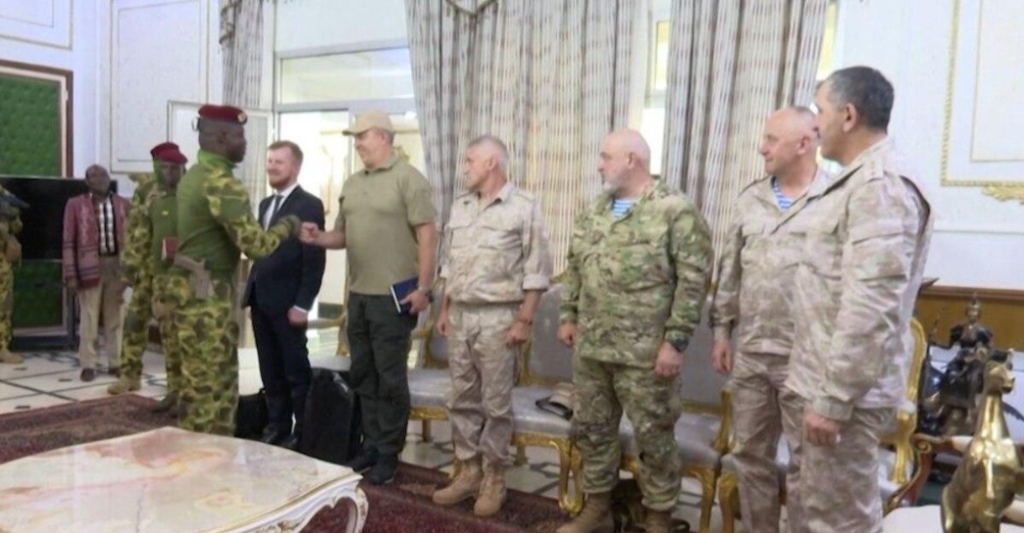
The constitutional debate has taken an unexpected turn amid Togo’s growing alignment with the Alliance of Sahel States (AES), a bloc formed by military-led governments in Mali, Burkina Faso, and Niger. These regimes, which emerged from coups between 2020 and 2023, have distanced themselves from regional institutions like ECOWAS, advocating for sovereignty over democratic norms.
Togo’s overtures to the AES—including talks about potential membership and a 2026 cooperation strategy focused on security and economic integration—have fueled speculation about a strategic pivot. While Lomé frames this as a bid for stability, critics see parallels in governance styles: power concentration, shrinking civic space, and uncertain pathways for democratic transitions.
This diplomatic realignment complicates Togo’s relationship with ECOWAS, which has publicly condemned military takeovers in the Sahel. The paradox is clear: Lomé remains a member of the bloc it helped design, yet its foreign policy increasingly mirrors the very actors it once pledged to hold accountable.
What’s next for Lomé: compliance or defiance?
The ECOWAS Court’s latest communication leaves Togo at a crossroads. The January 2026 ruling did not overturn the 2024 Constitution but explicitly ordered future reforms to respect democratic standards. The October follow-up asks for tangible evidence of compliance—a move that could force Faure Gnassingbé’s government to either justify its trajectory or face renewed criticism.
For allies of the reform, the changes represent a necessary adaptation to modern governance. For opponents, they are a thinly veiled continuation of authoritarian patterns, where constitutional tweaks serve as tools to perpetuate one-party dominance. The upcoming government response to the court’s inquiry will reveal whether Togo prioritizes regional expectations or doubles down on a model that has drawn regional scrutiny.
The regional context: democracy under pressure in West Africa
Togo’s situation reflects a broader crisis in West Africa, where democratic backsliding, coup d’états, and contested transitions have reshaped the political landscape. As ECOWAS struggles to reconcile firm stances on governance with pragmatic diplomacy, countries like Togo find themselves navigating a high-wire act between regional accountability and shifting alliances.
For now, the ball is in Lomé’s court. Will the government’s reply to ECOWAS signal a commitment to democratic deepening—or will it further align with regimes openly challenging regional norms? The answer will shape not only Togo’s future but also the credibility of ECOWAS’s enforcement mechanisms in an era of fractured regional unity.