Algeria has recently intensified its diplomatic and economic engagement with Mali and Niger, marking a significant shift in its regional approach. After fifteen months of strained relations with Bamako, Algiers restored full diplomatic ties and reopened its airspace to Malian aircraft. Meanwhile, Algeria deepened its cooperation with Niamey by delivering four military helicopters, reviving oil projects, and jointly commercializing Nigerien crude. These moves reflect a broader Algerian strategy to reclaim lost influence in the Sahel before Morocco solidifies its economic and political footprint in the region.
Rebuilding ties with Bamako after a bitter rupture
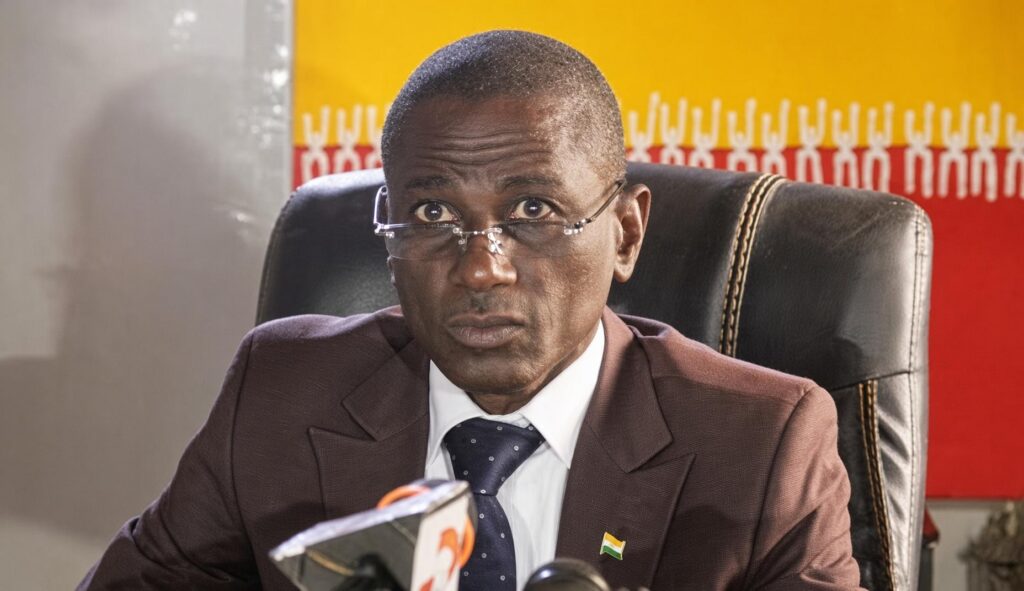
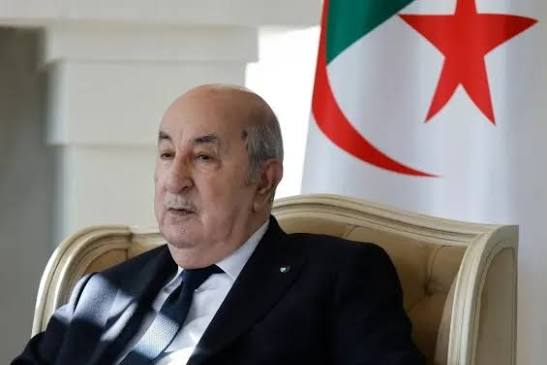
Algeria’s rapprochement with Mali reached a turning point on July 10, when President Abdelmadjid Tebboune reinstated Ambassador Kamal Retieb in Bamako, while Mali simultaneously returned its envoy to Algiers and reopened its airspace to Algerian planes. This normalization, following a year of escalating tensions, took on added significance in early August when Malian Prime Minister Abdoulaye Maïga highlighted a «total convergence of views» with Tebboune on «state sovereignty and non-interference in internal affairs.»
The crisis had peaked in April 2025 after the destruction of a Malian drone near Tinzaouaten, an incident that triggered mutual accusations and the recall of ambassadors. Algeria’s renewed engagement signals its determination to restore its role as a key regional mediator, particularly within the Alliance of Sahel States (AES), where Mali holds pivotal influence.
Niger emerges as Algeria’s strategic partner in the Sahel
Algeria’s outreach to Niamey has been even more pronounced. On August 9, Algiers delivered two Mi-24V combat helicopters and two Mi-171 transport helicopters to Niger’s armed forces, along with spare parts and ammunition. Days later, Algeria’s prime minister visited Niamey to launch drilling operations at the Kafra Sud-Est 1 oil exploration site. Concurrently, Sonatrach and Niger’s Société nigérienne des produits pétroliers (Sonidep) announced their first joint oil marketing operation.
These initiatives—spanning security, energy, and infrastructure—underscore Algeria’s effort to rebuild a tangible presence in the Sahel, especially as Niger remains a critical gateway for its regional influence.
Sahel states at the center of a diplomatic and economic rivalry
The AES—comprising Mali, Niger, and Burkina Faso—has increasingly distanced itself from Western partners while deepening ties with Russia and forging independent diplomatic and economic alliances. In June, their foreign ministers met in Bamako to advance the «Diplomacy pillar» of the Confederation, signaling a shift toward self-reliance. For Algeria, this evolving landscape presents both a challenge to its historical influence and an opportunity to reconnect with governments seeking alternatives to Paris and other Western capitals.
However, Algeria faces stiff competition from Morocco, which has methodically expanded its footprint through political diplomacy, religious influence, investments, and infrastructure projects. While Algeria boasts military strength and energy resources, Morocco has built enduring economic interdependencies that translate into lasting political leverage. Analysts describe Algeria’s current approach as a reactive counteroffensive aimed at restoring lost positions rather than advancing a cohesive regional vision.
The fragile nature of Algeria’s Sahel comeback
Algeria’s resurgence in the Sahel remains fragile, driven more by a desire to counter Morocco’s gains than by a clear, proactive strategy. While Mali and Niger have re-engaged, the broader regional dynamics—including Burkina Faso’s more subdued relations with Algiers—highlight the limitations of this approach.
The fundamental issue for Algeria is that Morocco has already achieved many of the breakthroughs Algeria is now scrambling to replicate. In April, Mali withdrew its recognition of the SADR and endorsed Morocco’s «autonomy plan» as the only credible solution to the Western Sahara dispute. The AES countries have progressively strengthened ties with Rabat, leaving Algeria in a position of playing catch-up rather than setting the agenda.
Ultimately, Algeria’s Sahel strategy appears reactive, shaped more by competitive pressures than by a coherent vision for regional stability. Without a more proactive and self-driven economic and diplomatic offer, its influence may continue to lag behind that of its Moroccan rival.