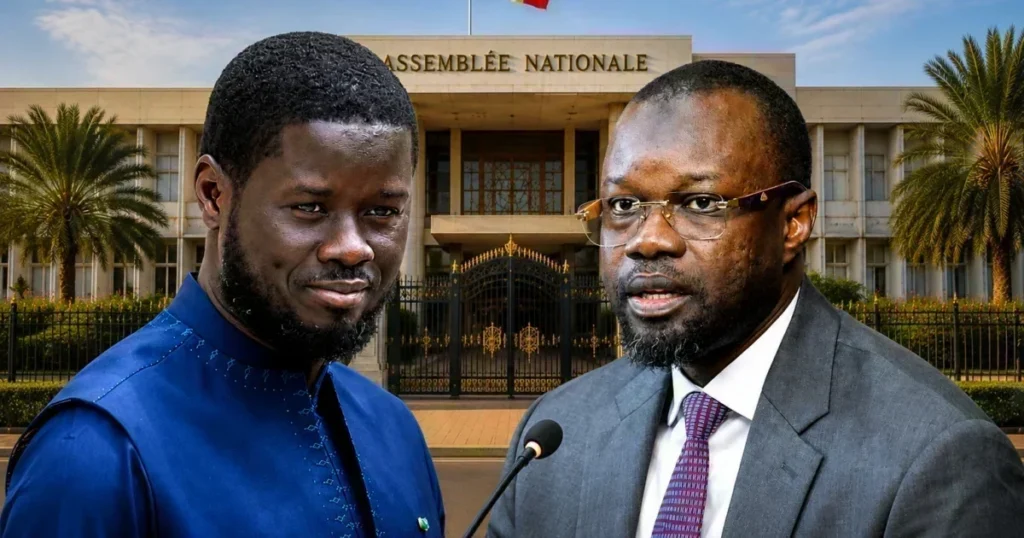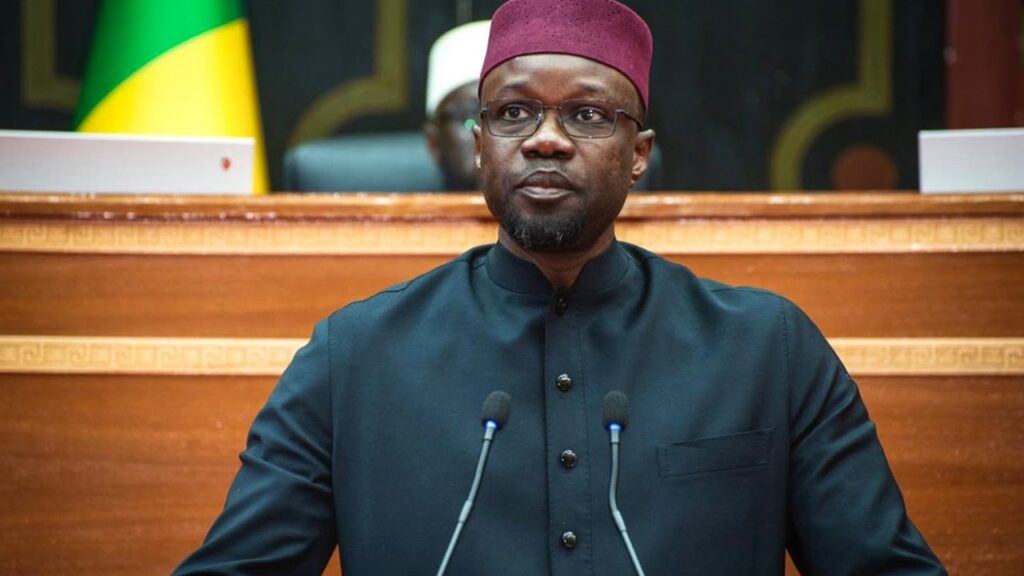
The constitutional reform initiative, recently announced by Senegalese authorities, is now progressing into an extensive consultation phase. A significant step in this process saw a delegation from the Civil Society Coalition for the Application of National Assizes Conclusions and Institutional Reform Commission Recommendations meeting with the Takku Wallu parliamentary group. This group represents the primary opposition bloc within the National Assembly. This pivotal engagement marks a crucial milestone in preparing for what is anticipated to be a robust public debate, particularly as the executive, led by President Bassirou Diomaye Faye, has prioritized institutional refoundation.
A cross-party dialogue on constitutional revision
The civil society’s proactive approach aims to secure unambiguous commitments from various political factions regarding both the substance and timeline of the constitutional revision. The National Assizes, convened from 2008 through the efforts of a broad political and citizen alliance, had previously generated a comprehensive set of recommendations. These included proposals on limiting presidential terms, enhancing the separation of powers, and modernizing public administration. Subsequent work by the National Commission for Institutional Reform (CNRI), chaired by constitutional expert Amadou Mahtar Mbow in 2013, further developed these insights, though not all its recommendations were ultimately implemented.
This citizen coalition is determined to re-center these foundational texts within the parliamentary discourse. By engaging Takku Wallu, they are sending a clear political message: institutional reform cannot be the exclusive domain of a ruling majority, regardless of its strength. The parliamentary group, comprising deputies aligned with former President Macky Sall and other liberal factions, possesses significant influence in scrutinizing and proposing counter-amendments to forthcoming organic bills.
Takku Wallu: a political interlocutor in transition
For the political entity led by the successors of the Alliance for the Republic, these consultations present a strategic platform. Following the decisive victory of the Pastef party in the snap legislative elections of November 2024, the parliamentary opposition is actively seeking alliances within civil society to influence the legislative agenda. The chosen format, involving preliminary listening sessions before any formal stance is adopted, allows both parties to explore common ground without making irreversible commitments.
Key issues expected to drive these discussions are well-known. These include the potential abolition or retention of the Economic, Social and Environmental Council, reforms to the Constitutional Council, stricter limits on the head of state’s powers, defining the role of the Prime Minister, and establishing the status of the opposition. These points are direct inheritances from the National Assizes. Additionally, the electoral system is a prominent topic, with several voices advocating for the introduction of a partial proportional representation system to better reflect Senegal’s political pluralism.
Tight timeline for a major institutional project
The executive branch has indicated that a draft revision could be presented to Parliament in the coming months. However, constitutional timelines impose strict procedural steps. Any significant alteration to the fundamental law requires either a qualified three-fifths vote by deputies or a national referendum. In a legislative assembly where Pastef holds an overwhelming majority, the parliamentary route appears technically achievable. Nevertheless, the executive has repeatedly alluded to resorting to popular consultation to solidify the reform’s legitimacy.
This potential for a referendum underscores the critical importance of the ongoing consultations. A mobilized civil society and an opposition involved early in the process can mitigate the risk of a polarized debate during any subsequent campaign. Conversely, a process perceived as unilateral could expose the reform to challenges similar to those that surrounded the 2016 revision under Macky Sall, which was characterized by high abstention rates.
Over the coming weeks, the citizen coalition is expected to broaden its outreach, extending meetings to other parliamentary groups, including Pastef itself, as well as to political formations not represented in the Assembly. The primary objective is to build a foundation of minimal consensus before the official legislative work commences. For Dakar, the credibility of the institutional reform promise, a central tenet since March 2024, will largely depend on the quality and inclusiveness of this preparatory process.