Why Divo’s new research centre could redefine Côte d’Ivoire’s agricultural future
The Ivorian government has broken ground in Divo, a city in central-western Côte d’Ivoire, on what will become the world’s most advanced coffee and cocoa research institute. Set on 800 hectares adjacent to the existing Centre National de Recherche Agronomique (CNRA), roughly 200 kilometres northwest of Abidjan, the facility aims to position Côte d’Ivoire at the forefront of sustainable agronomic innovation for both crops.
Commissioned by the Conseil du Café-Cacao (CCC), the regulatory body of the sector, the project reflects a strategic shift: since 2023, the CCC has held exclusive responsibility for research on coffee and cocoa, allowing the CNRA to focus on other agricultural priorities.
From global benchmarking to local impact
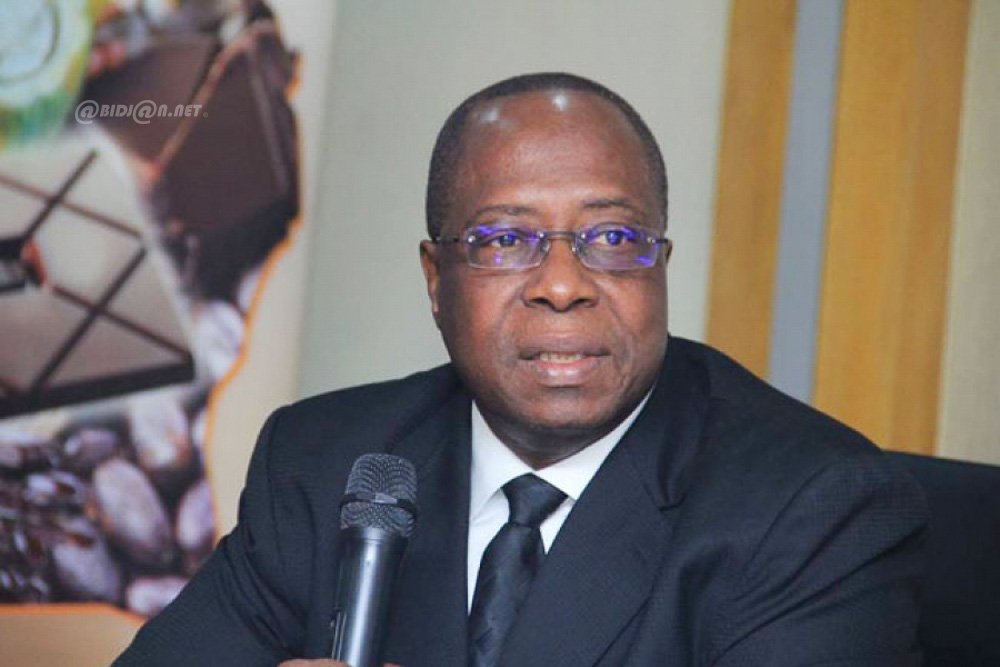
Yves Brahima Koné, the CCC’s Director General, confirms that the institute’s design and scientific scope were shaped after in-depth studies of leading institutions in Brazil, Ghana and Nigeria. The goal is clear: to transform Côte d’Ivoire’s coffee and cocoa value chains through cutting-edge research and world-class training programmes.
At the helm of this initiative is Dr. Mathias Tahi, CCC’s Director of Research and Climate Action, whose credentials include the development—two decades ago—of the high-yield « Mercedes cacao » variety. That breakthrough strain is now cultivated in several exporting countries, including Brazil, Ecuador and Cameroon, underscoring the potential of Ivorian ingenuity on the global stage.
Targeting the biggest threats to Ivorian crops
With more than 800,000 hectares of cocoa orchards and a recovering coffee sector, the new institute will prioritise research into sustainable solutions for the sector’s most pressing challenges. Foremost among these are the viral swollen shoot disease and pod rot, both of which continue to erode yields and farmer incomes across the country.
The centre’s team of Ivorian agronomists will focus on breeding resistant varieties, optimising agroforestry systems and deploying data-driven farming techniques to mitigate both disease pressure and climate volatility.
Connecting research, policy and market power
Launched as part of President Alassane Ouattara’s 2012 agricultural modernisation agenda, the institute is more than a scientific asset—it is a pillar of Côte d’Ivoire’s strategy to maintain its dominance in the global cocoa market. Coffee production, though smaller in scale, stands to benefit from renewed investment, improved varieties and stronger technical support for smallholders.
By integrating international best practices with local expertise, the project signals Côte d’Ivoire’s determination to lead from the field to the global export terminal, ensuring that every tonne of cocoa and coffee leaving its ports meets the highest standards of quality and sustainability.