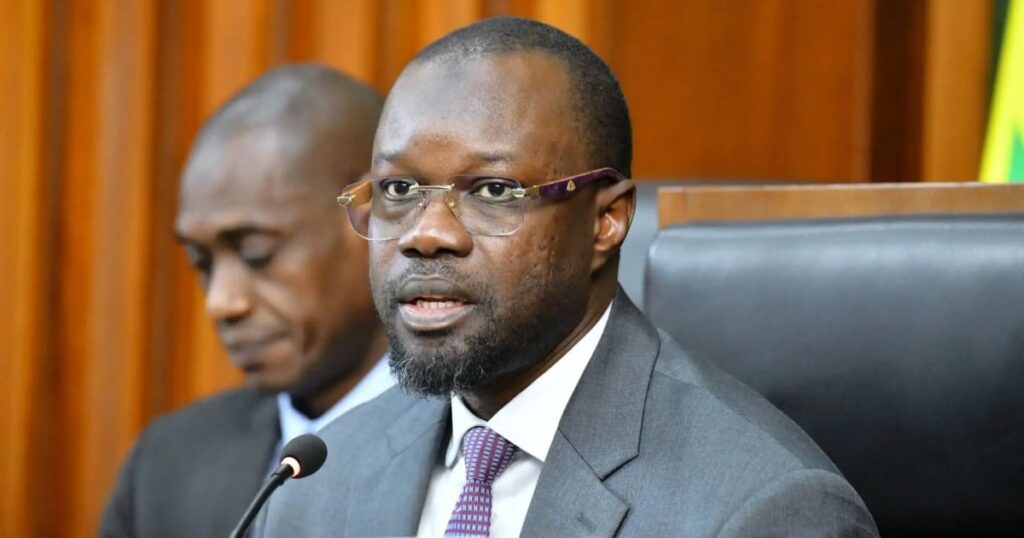
The Bureau of Senegal’s National Assembly has taken a behind-the-scenes administrative action designed to shape the institution’s operational future in anticipation of a potential dissolution. This strategic move, implemented under the leadership of President Ousmane Sonko, signals a deliberate effort to establish administrative continuity should the legislative cycle be disrupted before its natural conclusion.
Why this decision matters: the constitutional clock is ticking
With 2 December 2026 approaching, President Bassirou Diomaye Faye will regain the constitutional power to dissolve the National Assembly and call for early legislative elections. The Bureau’s decision, adopted during a meeting on 27 November under Sonko’s chairmanship and grounded in Article 3 of the Assembly’s internal regulations, outlines the operational framework for services in the event of dissolution. This rare administrative directive does not just prepare for a contingency — it reflects a growing acceptance within the legislative body that a dissolution is becoming increasingly plausible.
The political backdrop: deadlock in the corridors of power
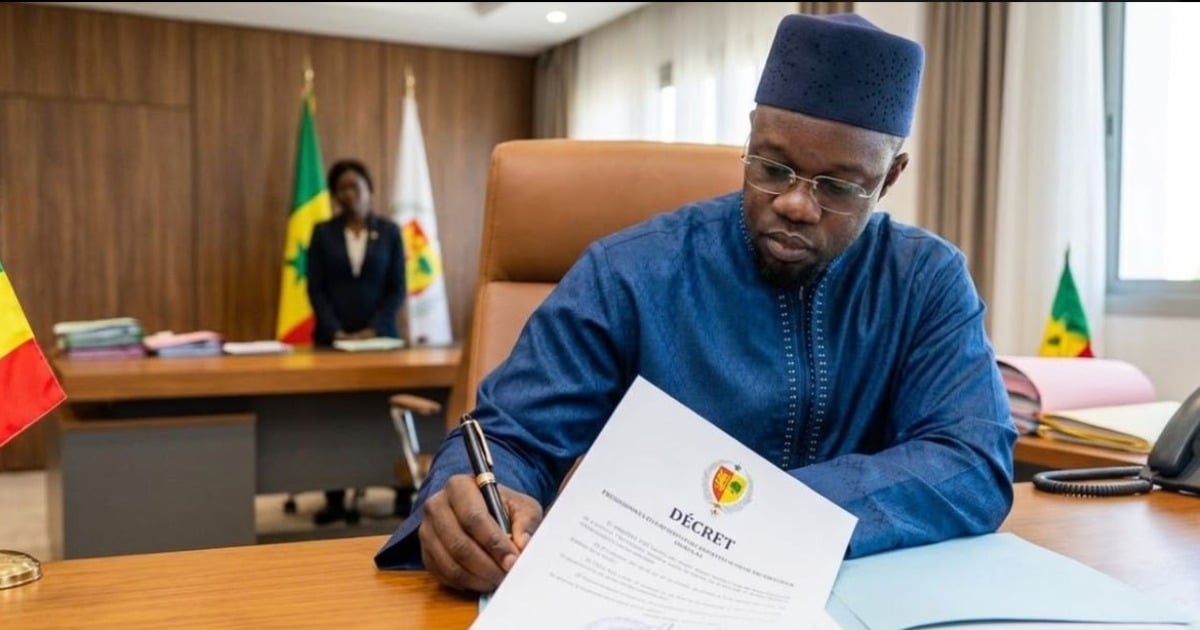
The timing of this decision is not accidental. It follows months of institutional impasse between the presidency and the parliamentary majority. In late November, deputies rejected key financial bills, prompting the executive to bypass the legislative process and enact a rectified 2026 budget by decree on 19 November. This constitutional deadlock — coupled with the president’s imminent power to dissolve — has forced the Assembly to consider the post-dissolution landscape seriously. By regulating administrative continuity now, Sonko and the Bureau are signaling preparedness not only for legal necessity but for political inevitability.
What the instruction actually does
The newly adopted instruction functions as a roadmap for the seamless operation of parliamentary services in the wake of dissolution. It ensures that critical administrative functions — from document management to staff roles — transition smoothly, minimizing disruption to legislative functions and public accountability. While the instruction does not trigger dissolution itself, its implementation underscores a strategic shift: the Assembly is preparing as if the scenario were already unfolding. This behind-the-scenes preparation sends a clear message to political actors and the public — Senegal’s parliamentary institutions are bracing for significant institutional change.
Constitutional realities: a legislature on borrowed time
Installed in late 2024, the fifteenth legislature entered a critical phase in late 2026. Under Senegal’s Constitution, the president may dissolve the Assembly after two years of its five-year term, with a two-year cooling-off period before the next dissolution. As the constitutional window reopens, both the executive and legislative branches are recalibrating their strategies. The Bureau’s move signals that the political calculation has shifted — early elections are no longer a remote possibility, but a plausible near-term outcome that requires institutional readiness.