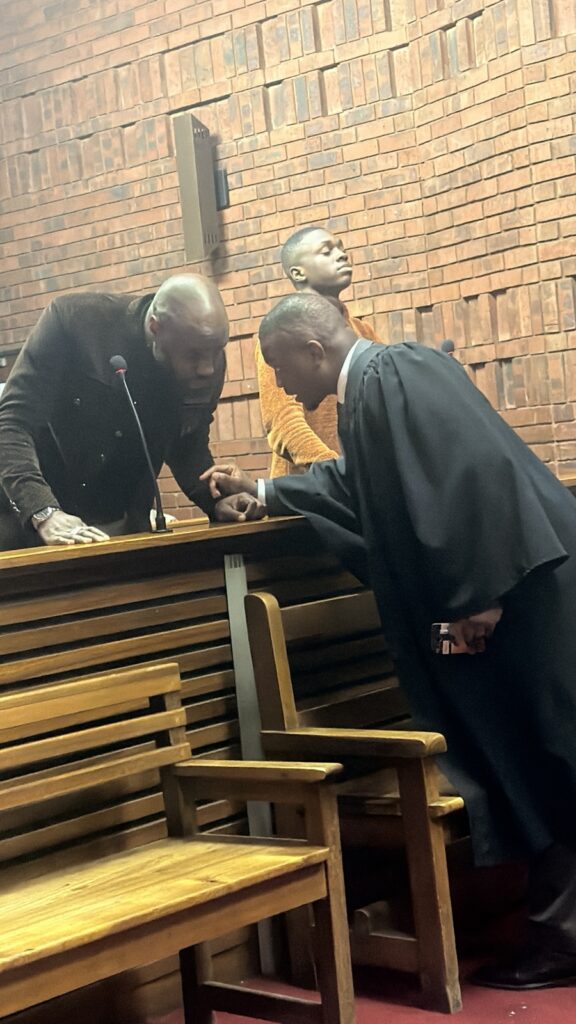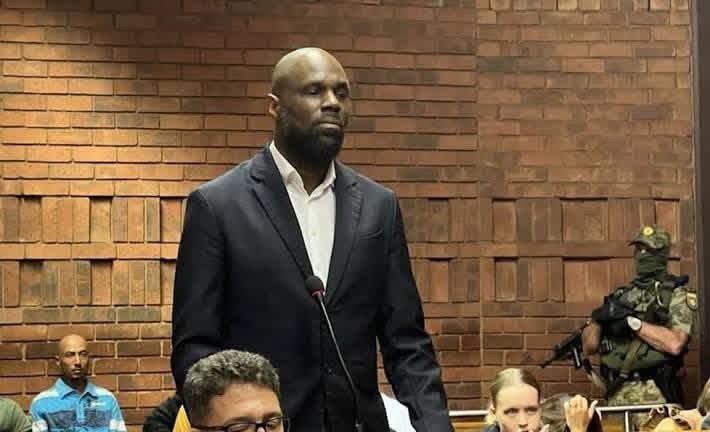
The judicial system has formally denied Kémi Séba’s request for conditional release, a decision that follows explosive disclosures about a suspected operation to facilitate his escape. Prosecutors have outlined evidence suggesting coordinated efforts to clandestinely remove Séba from legal custody, sparking public debate and raising urgent questions about the scale and involvement of international actors in the alleged scheme.
Unanswered questions following the bail denial
As the court weighs concerns over judicial obstruction and flight risk, the focus shifts to the origins of the suspected escape plan. Central to the investigation is Héry Djehuty, coordinator of the pan-Africanist group Urgences Panafricanistes and long-standing associate of Séba, who appears to have initiated early contact with foreign intermediaries reportedly involved in logistical arrangements.
How did the first contacts unfold?
The timing and method of these initial exchanges remain unclear. Reports indicate that Djehuty played a pivotal role in establishing communication channels with individuals who may have contributed to the planning of Séba’s potential exfiltration. Determining whether he acted under instruction or independently is now a critical investigative priority, as it could reveal the depth of involvement by Séba’s inner circle.
Where did the money go? Financial transparency in question
The function of financial collections organized by Héry Djehuty in the name of Séba’s legal defense has also come under scrutiny. With allegations emerging that some funds may have been diverted to support logistical and travel arrangements, investigators are examining whether contributions from supporters were used as intended or channeled toward covert operations.
What were the declared purposes of the collected funds?
Were financial resources reallocated to non-defense activities?
Can all expenditures be traced and justified?
This financial dimension adds a layer of complexity, as public trust hinges on the transparent use of donations meant to support a high-profile legal case.
International networks: links to Russia and South Africa
Among the most contentious lines of inquiry is the suspected involvement of foreign nationals, including Russian citizens and individuals identified as South African rangers. These actors are alleged to have been approached as part of a wider scheme to orchestrate Séba’s clandestine departure from the country.
Russian intermediaries and their potential role
The investigation suggests that Russian nationals were considered key facilitators in facilitating travel or securing transit routes. Authorities are now tasked with reconstructing how these individuals were identified, what communication channels were used, and what terms of cooperation were discussed. The logistical and financial implications of such an international operation remain under intense review.
South African rangers: logistical support or something more?
Separately, profiles linked to South African ranger services have surfaced in connection with the suspected plot. Questions persist about their expected contributions whether they were to provide security, transportation, or operational guidance. Establishing whether these individuals were connected to the Russian network, and if so, through whom, is now a key investigative objective.
The intelligence dimension: silent oversight and unanswered alerts
Attention has also turned to intelligence agencies, particularly in South Africa, amid concerns over whether authorities were aware of early signals of a potential escape. The presence of foreign facilitators raises critical questions about surveillance capabilities, timeline awareness, and whether any preventative measures were taken before judicial authorities raised the alarm.
What did local and international agencies know?
The investigation must now clarify whether intelligence services monitored the movements or communications of suspected intermediaries, and whether any warnings were issued internally or to judicial bodies. The sequence of events from initial contacts to final interdiction will be pivotal in assessing accountability and operational oversight.
Legal fallout: bail denied amid escape fears
The court’s decision to refuse bail underscores the gravity of the situation, reflecting concerns that Séba could abscond if released. Prosecutors argue that the documented evidence including the alleged involvement of international networks justifies continued detention during the judicial process. However, a detailed breakdown of the magistrate’s reasoning has not yet been made public, leaving room for speculation about the weight assigned to different risk factors.
Assessing flight risk and judicial guarantees
While the potential for foreign-assisted escape poses a unique challenge, the court must balance this against the principles of proportionality and presumption of innocence. The denial suggests a conclusion that conditional release could not be safely granted under current circumstances, but the absence of transparent justification compounds public unease and fuels debate over the fairness and transparency of the decision.
Next steps: clarifying roles, responsibilities, and motives
As the inquiry progresses, investigators face a complex web of questions: Who directed Héry Djehuty to initiate contact with foreign actors? What was the intended coordination between Russian intermediaries and the South African contacts? Were financial resources diverted from their stated purpose? And crucially, did Kémi Séba himself have knowledge of these undertakings?
The answers will determine whether this case involves isolated actions by a close associate or a broader, organized effort to obstruct justice on an international scale. With ramifications spanning multiple jurisdictions, the credibility of the investigation now rests on its ability to reconstruct a clear and verifiable narrative.
The central unresolved question
At the heart of this evolving scandal is one persistent inquiry: Who took the initiative to seek foreign assistance for an escape, who was responsible for financing it, and what role did Héry Djehuty play in its execution? Until these points are resolved, public trust in both the legal process and the transparency of allied organizations will remain fragile.
By Aïcha Abdou — Journalist