With three strategic agreements inked in Abidjan, Sonelgaz International is writing a new chapter in its West African expansion. As the export arm of Algeria’s public energy and gas giant, the subsidiary has chosen Côte d’Ivoire—a market balancing rapid demand growth with constrained supply—as a testing ground for its technical and commercial capabilities. The contracts underscore a deeper ambition: positioning Algeria’s energy expertise beyond its traditional Mediterranean orbit while responding to Abidjan’s critical infrastructure needs.
Why Côte d’Ivoire is a make-or-break market for African energy
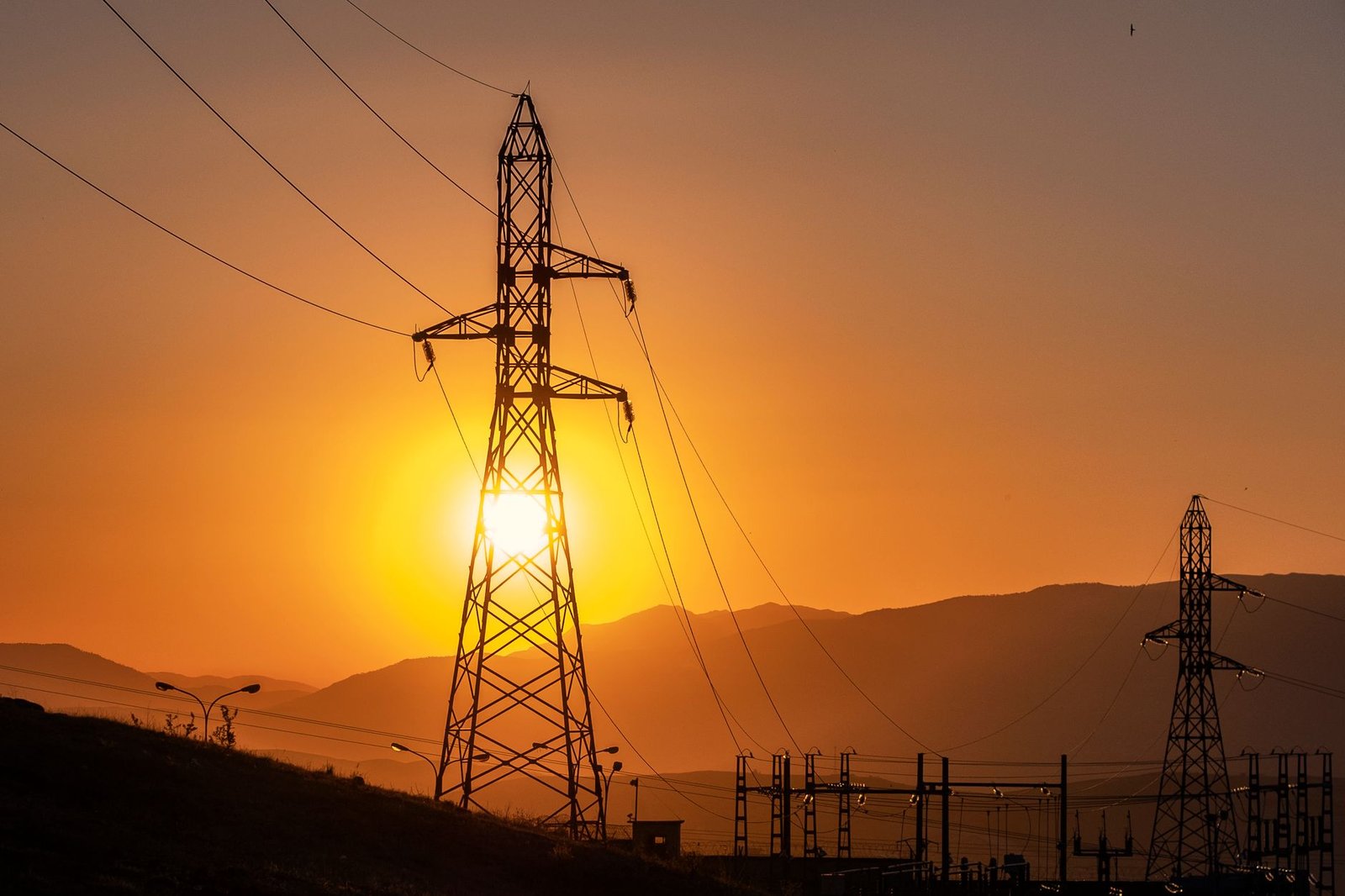
Côte d’Ivoire stands as a regional powerhouse within the West African Economic and Monetary Union, boasting a generation capacity exceeding 2,500 megawatts. The backbone of its grid relies on gas-fired plants like Azito and CIPREL, complemented by legacy hydropower dams at Kossou, Taabo, and Buyo. Beyond its borders, Abidjan serves as an electricity exporter to Burkina Faso, Mali, Ghana, Togo, Benin, and Liberia—a feat that demands uncommon grid reliability across West Africa.
The domestic demand surge, climbing 7 to 8 percent annually, is fueled by Abidjan’s urban sprawl, San Pedro’s industrial expansion, and booming gold mining alongside processed cocoa production. CI-Energies, Côte d’Ivoire’s state-owned energy holding, has set ambitious targets: expanding capacity to over 6,000 MW by 2030, with renewables gaining ground. Within this timeline, Sonelgaz International’s arrival signals more than a contract—it signals a need for integrated solutions across engineering, transmission, substations, high-voltage lines, and maintenance—segments where Algeria’s subsidiary claims long-standing technical authority.
Algeria’s energy diplomacy: strategy not spontaneity
The Ivorian breakthrough did not emerge from coincidence but from deliberate design. For years, Algeria has pursued a calculated push into sub-Saharan Africa, framing energy cooperation as an extension of its foreign policy. Sonelgaz International already operates in Niger, where it historically bolstered electrification along the border, in Mauritania with high-voltage transmission lines, and more recently in Congo-Brazzaville through revived bilateral cooperation. The company has also conducted feasibility studies in Libya and Sudan.
This strategic redirection received institutional backing in 2023 with the launch of Algeria’s Agency for International Cooperation in Solidarity and Development. The agency was created to align diplomacy with the overseas expansion of public enterprises, with electricity, gas, and electromechanical engineering positioned as key export sectors. For Côte d’Ivoire—a consistent and creditworthy partner—the appeal is twofold: diversifying technical expertise and securing technology transfers in a market long dominated by French, Turkish, and Chinese firms.
From symbols to substance: can Sonelgaz deliver under pressure?
The West African power engineering landscape has become one of the continent’s fiercest battlegrounds. Turkish Karpowership operates floating power plants, China’s TBEA has secured major high-voltage contracts, French firms Eiffage Energie Systèmes and Vinci Energies remain entrenched, while India’s KEC International leads in high-tension substations. Against this competitive backdrop, Sonelgaz International’s success in Abidjan hinges on three critical factors: on-time delivery, engagement with local subcontractors, and the ability to offer competitive financing—a decisive criterion in tender awards.
Yet, the financial dimension remains Algeria’s Achilles’ heel. While Beijing packages contracts with Exim Bank loans, Ankara supports Karpowership with export credit schemes, and Algiers must elevate its export financing infrastructure. The Banque Extérieure d’Algérie opened a Dakar office in 2022 precisely to address this gap. Whether the three Abidjan contracts will catalyze a broader market breakthrough—or remain a symbolic gesture—will become clear in the coming months.
For Côte d’Ivoire, the stakes extend further. Abidjan aims to cement its role as West Africa’s electricity hub, and every new industrial partner strengthens its ecosystem. From Niamey to Nouakchott to Dakar, Sonelgaz’s performance in Côte d’Ivoire will be closely scrutinized as a litmus test for Algeria’s regional energy ambitions.