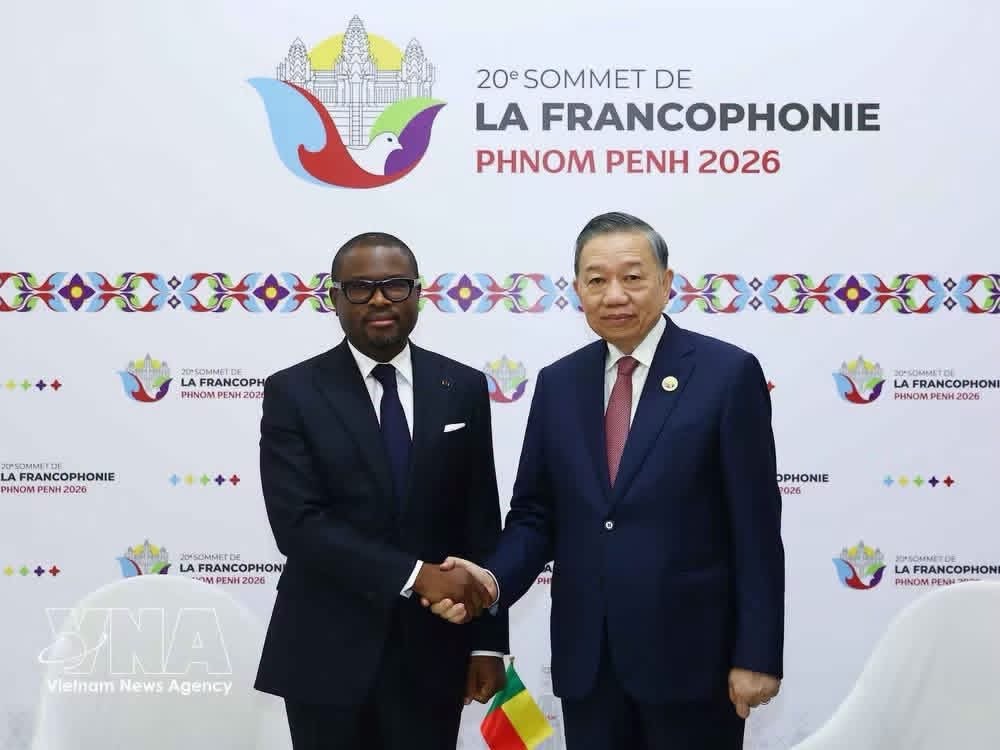
The recent meeting between Benin’s Minister of Economy and Vietnam’s counterpart has ignited a broader discussion about the future of their bilateral economic relationship. Held on the sidelines of a major international forum, the discussions centered on key sectors like rice, cashew nuts, cotton, aquaculture, and port infrastructure all critical to Benin’s economic ambitions. Yet, the debate now turns to whether this partnership will reinforce Benin’s role as a raw material supplier or propel its industrial development.
Diplomacy meets economic ambition: a high-stakes partnership
The November meeting between Romuald Wadagni and Vietnamese official Tô Lâm marked the first formal dialogue between the two nations at this level. While the discussions emphasized collaboration in agriculture and trade, the underlying question remains: Can Benin leverage this partnership to break free from the cycle of exporting unprocessed goods and instead foster industrial growth?
Cashew nuts: an example of missed opportunities?
The cashew industry highlights the stark contrast between Benin’s potential and its current limitations. Vietnam, a global leader in cashew processing, has a thriving industry that adds significant value to raw nuts. Benin, a major producer, supplies raw cashews but gains little from the high-margin stages of processing and export. This dynamic risks confining Benin to a passive role in the supply chain, where most profits and industrial activity occur abroad.
The true economic potential of cashews lies not just in cultivation but in every phase of the supply chain shelling, packaging, processing, and marketing. Each step completed within Benin’s borders could generate jobs, transfer skills, and boost local revenue. The current model, however, offers limited benefits to Benin’s economy beyond the initial sale of raw materials.
From trade talks to industrial transformation
An agricultural agreement signed in 2024 was supposed to lay the groundwork for deeper cooperation, but its implementation has stalled. This delay underscores a broader challenge: turning diplomatic intentions into tangible economic progress. The next phase of negotiations must focus not just on trade volumes but on how Vietnam can invest in local processing, technology transfer, and infrastructure improvements.
Benin’s aspirations in rice, cotton, and aquaculture face similar hurdles. Expanding partnerships to include modern farming techniques, agro-processing, and value-added production could unlock new revenue streams. Port infrastructure, too, plays a pivotal role without efficient logistics and storage, even the best trade agreements will struggle to deliver meaningful results.
Redefining the partnership: beyond raw material sales
The risk of repeating past mistakes looms large. African nations often face a dilemma where economic diplomacy fails to translate into real economic gains. Partnerships are too often measured by the number of meetings or the length of official statements rather than the investments made, jobs created, or technologies adopted.
For Benin, the choice is clear: it must shift from being a passive supplier of raw materials to an active participant in industrial value chains. The goal is not just to export more but to process more, innovate more, and retain more of the wealth generated within its borders. Vietnam, with its strong industrial base, could be a key ally in this transition but only if Benin negotiates from a position of strength and clarity.
The road ahead: balancing ambition and realism
The path to industrialization will require more than goodwill. Benin must insist on concrete commitments from Vietnam, including joint ventures, technology sharing, and infrastructure development. It must also address the structural challenges that have delayed previous agreements, ensuring that future deals lead to measurable outcomes.
Public debate is already stirring around these issues. Critics argue that without stronger safeguards, Benin risks reinforcing its role as a supplier to Vietnam’s industries rather than building its own. Supporters, however, see an opportunity to harness Vietnam’s expertise to leapfrog into higher-value sectors. The outcome will depend on Benin’s ability to negotiate agreements that prioritize long-term economic sovereignty over short-term gains.
What’s at stake for Benin’s economy
The stakes could not be higher. Benin’s economic future hinges on its ability to move beyond traditional roles in global supply chains. The cashew, rice, and cotton sectors are not just about trade; they are about jobs, innovation, and national prosperity. If Benin succeeds in transforming its economic ties with Vietnam into a driver of industrial growth, it could set a precedent for other partnerships across Africa. If it fails, it risks remaining locked into a cycle of underdevelopment, where its raw materials fuel industries abroad while its people see little benefit.
The coming months will reveal whether Benin’s leadership can turn diplomatic overtures into a catalyst for real economic change or whether this partnership will become another example of lost potential.
By Ousmane Tandja — Journalist