Public outrage mounts over halted oil sector audits in Niger
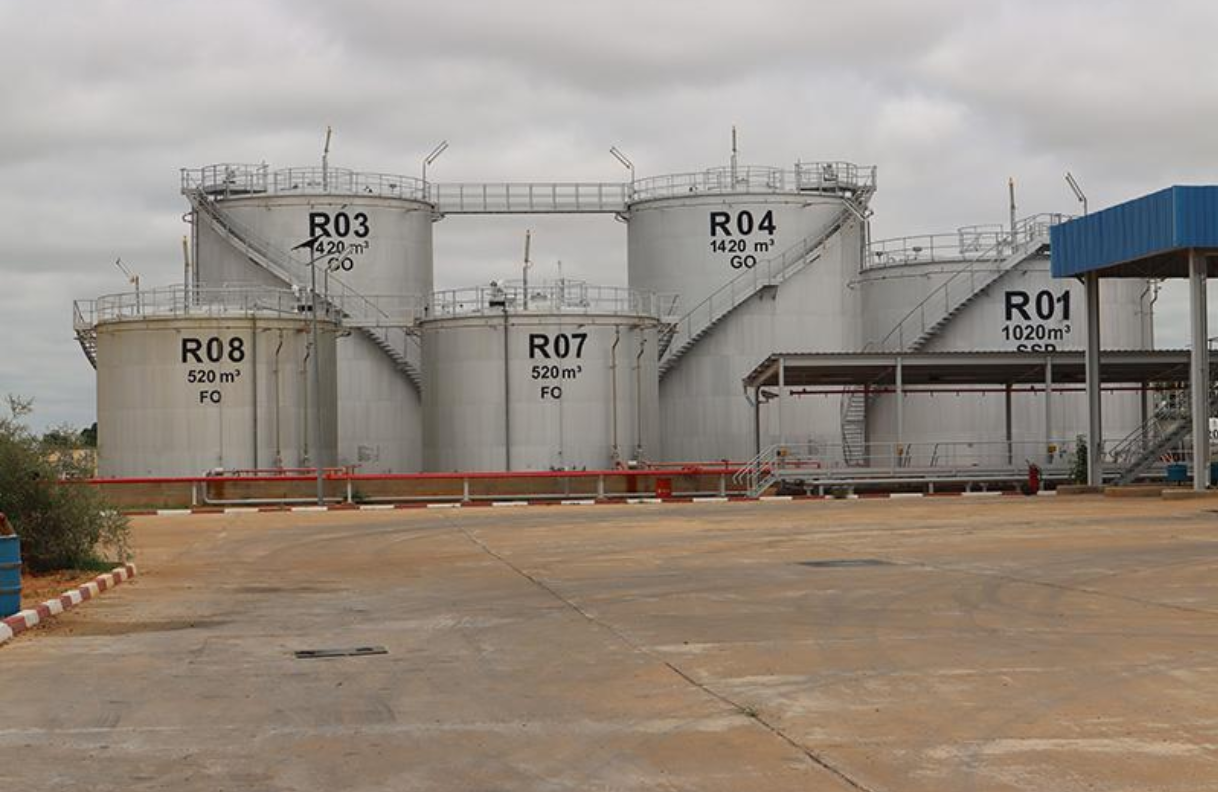
The Nigerien government faces mounting scrutiny as revelations of 7 billion cfa francs in financial irregularities within the national oil sector trigger public debate over transparency and political interference. Investigations into the Société nigérienne des produits pétroliers (SONIDEP) have uncovered early evidence of mismanagement, but allegations of high-level obstruction are now dominating the discourse across political and civil society circles.
From irregularities to political interference: the unraveling of a sensitive dossier
Initial findings from SONIDEP’s audit have sent shockwaves through the political landscape. According to insiders familiar with the investigation, an examination of just two files revealed irregularities totaling nearly 7 billion cfa francs—an amount that has raised serious questions about governance in the country’s most lucrative sector. With over a hundred additional files still under review, the full extent of mismanagement has yet to be uncovered.
However, the investigation’s progress has hit a major roadblock. Reports indicate that at the highest levels of government, powerful figures connected to the suspected financial discrepancies have exerted pressure to halt the audit. General Abdourahamane Tiani’s intervention to suspend the mission has intensified public skepticism about the administration’s commitment to combating corruption, particularly when high-ranking officials are implicated.
Diplomatic reshuffles raise eyebrows amid oil sector turmoil
The timing of Issaka Gado’s diplomatic appointment to Djibouti as Permanent Representative to the United Nations has sparked intense speculation. Gado, former Chairman of the Board at the Société nigérienne de raffinage (SORAZ) and brother of former Prime Minister Ali Mahamane Lamine Zeine, has a well-documented history with the sector. His transfer coincides with renewed scrutiny of past audits involving SORAZ and SONIDEP, leading analysts to question whether this move is political camouflage rather than routine reassignment.
The SORAZ-SONIDEP audit saga: a history of halted investigations
The current scandals are not isolated incidents. Under the previous administration, Gado himself initiated an audit into financial relations between SORAZ and SONIDEP. That process led to severe repercussions: former Minister Barké was detained for nearly a year, while Gado himself faced four months in custody. These events underscore the persistent tensions surrounding efforts to regulate the oil sector.
Today, the irony is palpable. A figure who once championed audits now finds himself at the center of renewed allegations, raising concerns about accountability and the true motives behind personnel changes in sensitive institutions.
Another audit attempt fizzles out
The departure of Dr. Sahabi Oumarou, former minister overseeing the oil sector, followed his announcement of a renewed audit into SORAZ-SONIDEP financial dealings. Yet his initiative, like many before it, never reached completion. His removal from office has deepened doubts about the government’s willingness to allow independent scrutiny of its financial operations.
The stalled Mazars audit: transparency deferred
Proposals to engage Mazars, an international audit firm, were formally documented in April 2026. The plan to bring in external expertise was intended to restore public trust and provide definitive answers regarding financial management in the oil sector. Yet eight months later, there is no evidence of progress. The minister responsible for Petroleum, Tini, has himself faced intermittent exclusion from public life, adding to the perception of systemic resistance to accountability.
Key questions remain unanswered: Was the Mazars audit ever formally approved? Has a contract been signed? And most critically—who or what is preventing this long-overdue independent review?
Diplomatic corridors as power battlegrounds
The minister of foreign affairs, Aliou Daouda, recently highlighted the role of international networks in shaping domestic politics when he stated, “In the corridors of the UN, ex-regime loyalists are ready to spill secrets.” This statement takes on new meaning in light of Gado’s appointment to Djibouti. Are diplomatic postings being weaponized to shield politically exposed individuals from domestic accountability?
Why public trust hinges on resolving the oil scandal
The SONIDEP affair is no longer just about 7 billion cfa francs. It has evolved into a litmus test for Niger’s governance credibility. The oil sector, a vital economic backbone, demands transparent management and independent oversight. When audits stall, when officials are removed for pursuing transparency, and when financial irregularities are left unexplained, the public loses faith—not only in institutions, but in the very concept of fair governance.
Nigeriens deserve clarity. They have the right to know what happened in SONIDEP and SORAZ. They deserve to understand why investigations were halted and who benefited from the interruption. And they need assurance that the fight against corruption applies equally across the political spectrum.
What lies ahead: closing the chapter or deepening the crisis?
The unanswered questions about the SONIDEP audit, the unexplained diplomatic maneuvers, and the stalled international review paint a troubling picture. This scandal has the potential to do more than expose financial wrongdoing—it could erode public confidence in the integrity of the state itself.
As Niger moves forward, one thing is clear: unless full transparency is restored and all responsible parties are held to account, the oil sector’s shadow over the nation’s politics will only grow darker.