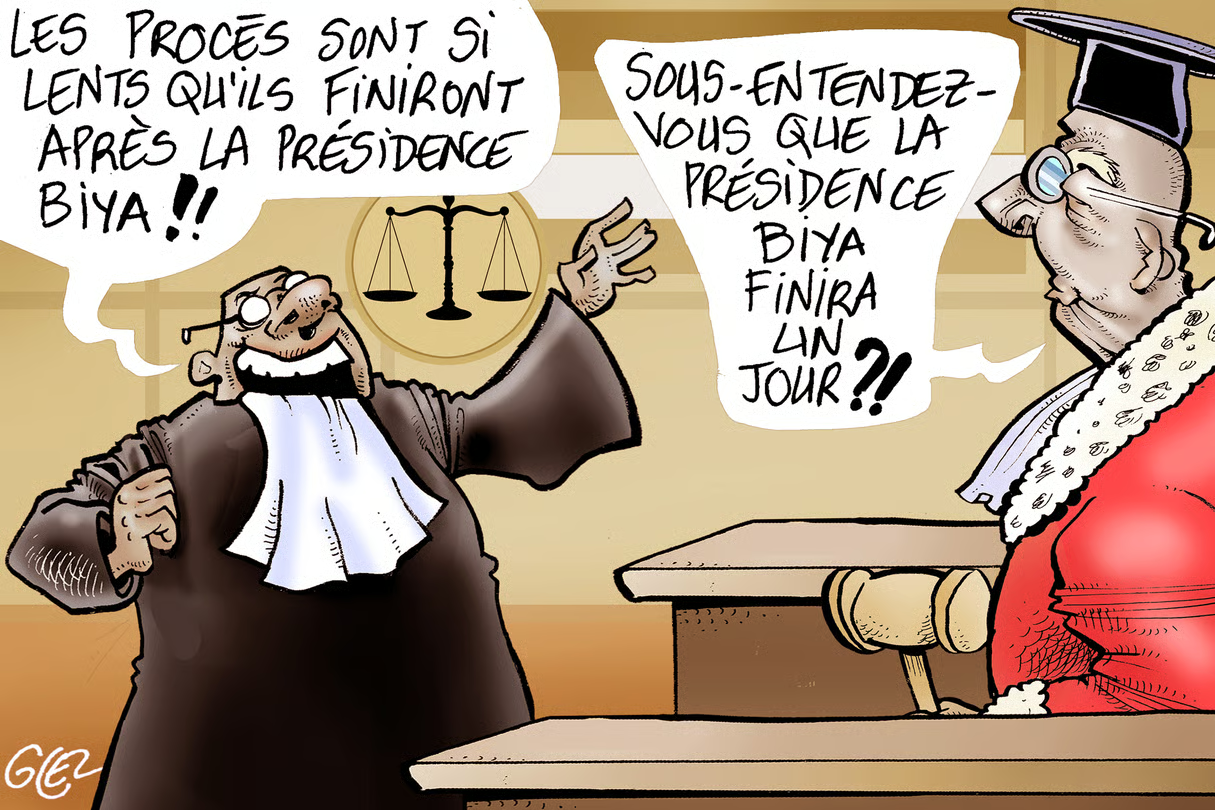
The judicial saga surrounding post-election detainees in Cameroon drags on, leaving families and activists in a state of prolonged uncertainty. Months after the 2025 presidential vote, hundreds remain behind bars, caught in a labyrinth of legal delays and administrative hurdles. Critics argue the process has become a symbol of delayed justice, while authorities insist on due process.
Legal limbo: A system overwhelmed by cases
Courtrooms in Yaoundé and Douala are struggling to keep pace with the sheer volume of post-election cases. Defense attorneys describe a system buckling under the weight of its own inefficiency, with hearings repeatedly postponed and procedural rules bent to accommodate the backlog. “Justice delayed is justice denied,” lamented one defense lawyer, who requested anonymity due to the sensitivity of the issue.
Families bear the emotional toll
The human cost of these delays is staggering. Spouses, children, and parents of detainees endure emotional and financial strain as they navigate a system that seems to have no clear resolution in sight. Many have turned to local NGOs for support, but resources are stretched thin.
Government response: Balancing order and fairness
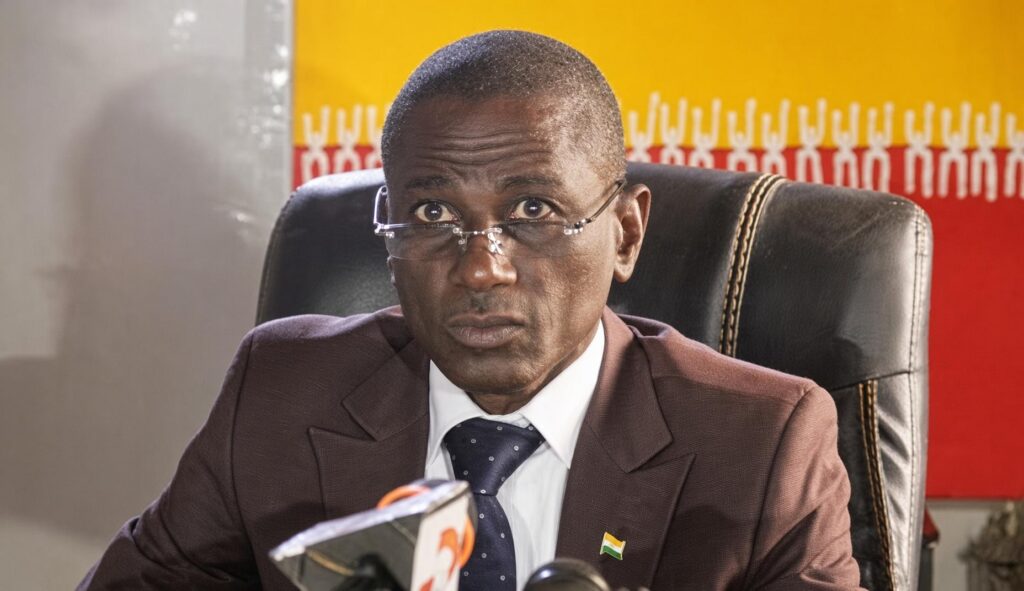
State officials maintain that the judiciary is operating within the bounds of the law, emphasizing the need for thorough investigations before any verdicts are reached. Cameroon’s Minister of Justice recently reiterated that the government remains committed to ensuring fair trials, even as critics question whether the delays are intentional.
The prolonged detentions have sparked debates about the country’s commitment to human rights and the rule of law. International observers have called for transparency, urging authorities to expedite proceedings or release detainees awaiting trial if no credible evidence exists against them.
What’s next for the detainees?
With no end in sight, the fate of these detainees remains uncertain. Legal experts warn that continued delays could erode public trust in the judiciary, while activists demand immediate action to address the humanitarian crisis unfolding within prison walls. For now, the families wait—hopeful yet exhausted, caught between despair and the fragile promise of justice.