The latest surge in Cameroon’s public debt to over 15,607 billion FCFA has intensified debates over the country’s fiscal sustainability, with the International Monetary Fund (IMF) raising the alarm over growing borrowing risks. As the government accelerates infrastructure projects and debt repayments, analysts and citizens alike are questioning the long-term economic fallout of this mounting financial burden.
How Cameroon’s debt ballooned to 15,607 billion FCFA
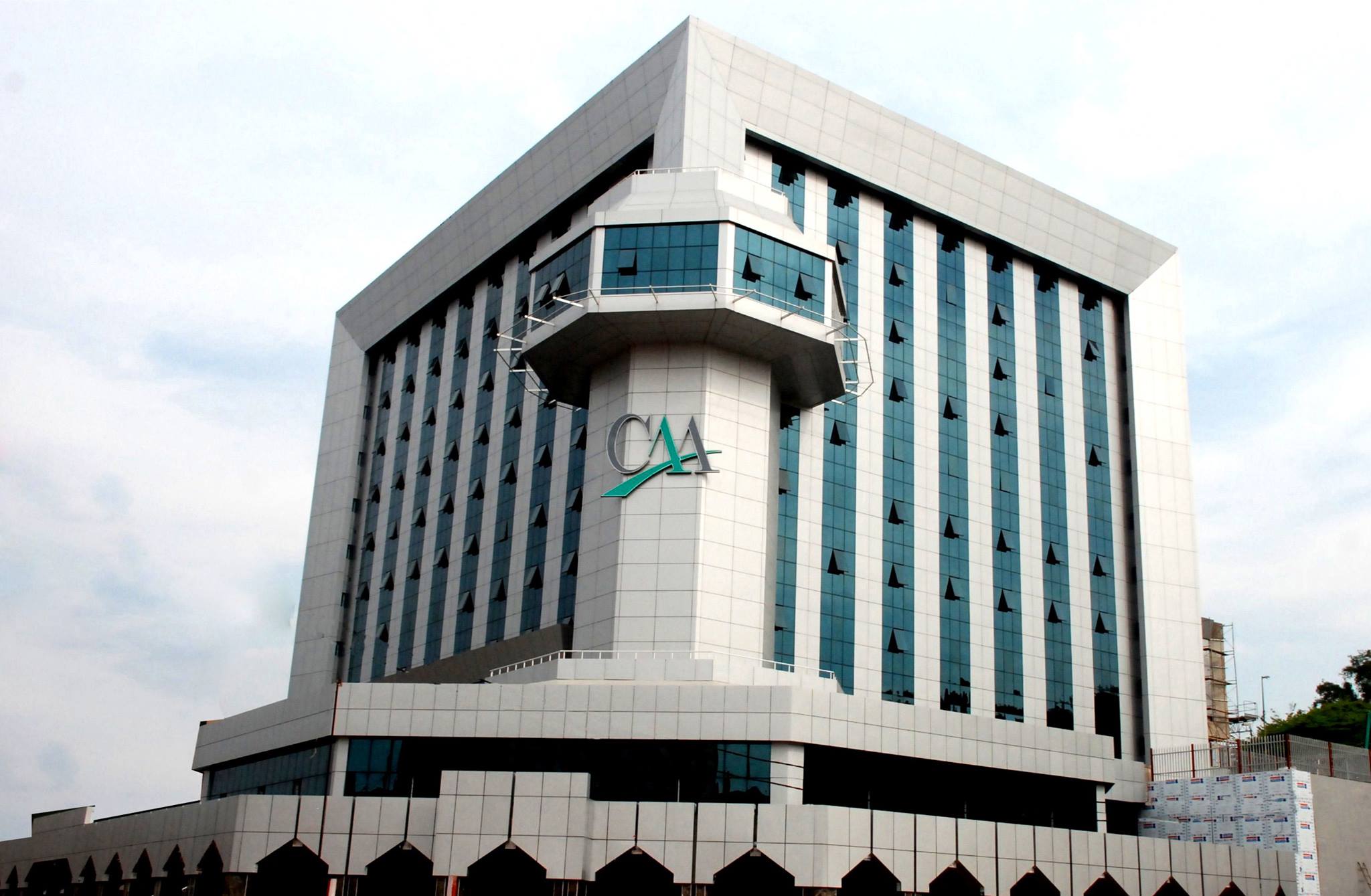
Cameroon’s total public debt soared to 15,607 billion FCFA by June 2026, up from 14,409 billion FCFA a year earlier, according to the autonomous debt management body CAA. This 44.2% debt-to-GDP ratio reflects a year of aggressive borrowing, fueled by domestic and external financing to cover budget gaps and existing obligations.
While the government had secured authorization for up to 1,650 billion FCFA in new loans at the start of 2026, only a fraction—800.7 billion FCFA—had been raised domestically by June. An additional 514 billion FCFA in new debt commitments were recorded in the first half of the year, driven by critical infrastructure projects.
Infrastructure projects drive borrowing surge
Major financing deals in 2026 included:
- A 130.4 billion FCFA loan from Standard Chartered Bank, backed by UK Export Finance, for the Ebolowa-Akom II-Kribi road project.
- A 228 billion FCFA loan from the World Bank to develop the Douala-Bangui economic corridor.
- A 139 billion FCFA agreement for the rehabilitation of the Douala-Bafoussam highway.
Together, these agreements represent over 367 billion FCFA in additional authorized project financing, underscoring the government’s reliance on large-scale debt to fund development.
IMF flags red flags: debt sustainability under scrutiny
The IMF’s latest assessment, released in October 2026, paints a cautious picture. While the Fund acknowledges Cameroon’s medium-term debt viability, it warns of a still-high overall risk of over-indebtedness. Key concerns include:
- Tight liquidity conditions: High debt repayments and commercial borrowing are straining the country’s financial flexibility.
- Revenue mobilization challenges: The IMF urges Cameroon to boost domestic revenue collection to reduce dependence on borrowing.
- Concessional financing priority: Shifting toward lower-cost loans is recommended to ease pressure on public finances.
Critics argue that while the debt fuels short-term growth, the long-term cost—including high interest payments—could undermine Cameroon’s economic resilience.
What’s next? Balancing growth and debt sustainability
Cameroon’s 2026 budget allocates 3,104 billion FCFA for debt servicing and financing needs, highlighting the delicate balance between sustaining infrastructure investments and avoiding a debt crisis. With the IMF emphasizing stricter fiscal discipline, the government faces mounting pressure to demonstrate that borrowed funds are being used efficiently and transparently.
The debate now centers on whether Cameroon can achieve sustainable growth without compromising its financial future—or if the current borrowing binge risks pushing the country toward a debt cliff.