The narrative of the Alliance Fleuve Congo/M23 (AFC/M23) in the Democratic Republic of Congo (DRC) has come under intense scrutiny following a damning United Nations report. Investigators allege that the rebel coalition’s military operations—officially aimed at dismantling the Rwandan FDLR rebel group—have systematically targeted civilians in the contested provinces of North and South Kivu. The findings challenge the justification provided by AFC/M23 for its operations, which it claims is a necessary response to the persistent presence of FDLR fighters in Congolese territory since the 1994 genocide.
Systematic civilian victimization documented in Kivu provinces
The UN report meticulously details patterns of abuse tied to AFC/M23 offensives. Rather than confronting FDLR forces directly, the coalition is accused of carrying out retaliatory attacks on civilian villages suspected of harboring or aiding the Rwandan armed group. Among the documented violations are summary executions, forced displacements, and the deliberate destruction of homes. These actions have reshaped the security landscape of eastern DRC since hostilities reignited in 2022.
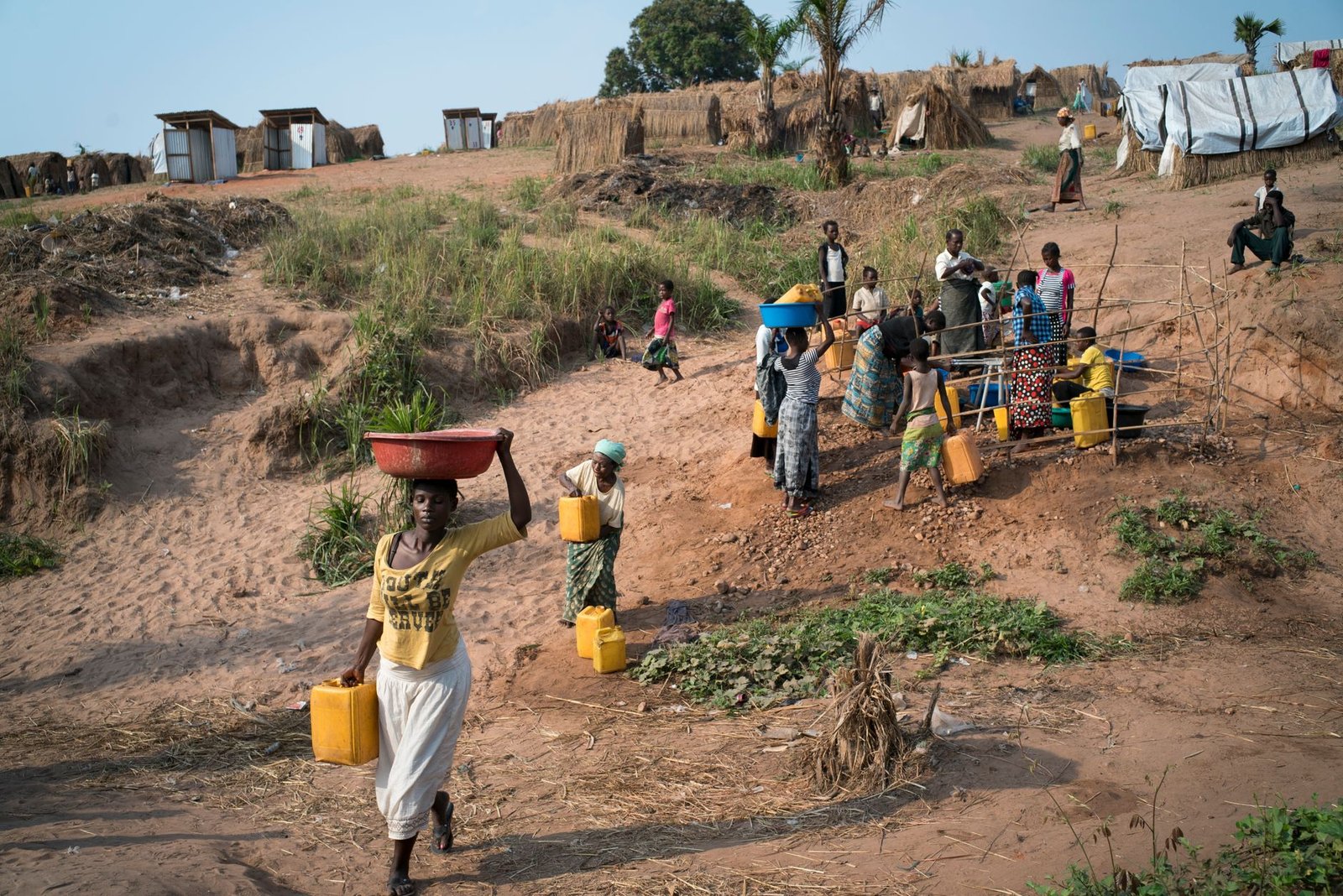
Investigators highlight a dangerous overlap between civilian populations and FDLR fighters, particularly in Hutu communities. This ambiguity has fueled deadly communal violence, complicating efforts by humanitarian agencies to deliver aid. UN officials in Goma and Bukavu report a relentless surge in internally displaced persons, while access to humanitarian corridors remains severely restricted by ongoing clashes and movement restrictions imposed by warring factions.
Kinshasa’s disarmament strategy under fire amid civilian toll
The Congolese authorities maintain that voluntary disarmament efforts targeting FDLR combatants remain the most viable solution to the crisis. Government representatives point to the presence of cantonment sites and ongoing repatriation discussions, developed in collaboration with the UN Stabilization Mission in DRC (MONUSCO) and regional partners. This approach, however, is fiercely disputed by Kigali, which views the FDLR as an existential threat and accuses Kinshasa of tacitly collaborating with the rebel group.
Rwanda has repeatedly cited documented evidence—including prior UN expert reports—to justify its support for AFC/M23 operations. While the latest report does not fundamentally alter this geopolitical equation, it shifts the focus toward the devastating human cost borne by civilians caught in the crossfire.
Regional implications ripple beyond Kivu’s borders
The timing of the UN report coincides with critical junctures in regional diplomacy. The Luanda Process, led by Angola, and the Nairobi Process, sponsored by the East African Community, aim to align ceasefire agreements, foreign troop withdrawals, and the neutralization of armed factions. The allegations against AFC/M23 complicate potential pathways to political integration for the group, a scenario that had been cautiously explored in some mediation circles.
For foreign investors, particularly those involved in critical mineral supply chains—such as coltan, cobalt, and tin—the escalating instability in Kivu poses substantial operational risks. EU-backed traceability frameworks and corporate sustainability commitments clash with the realities of a wartime economy where armed groups control key supply routes. The UN’s documented evidence of civilian targeting could escalate pressure on international buyers and neighboring states complicit in transborder trade networks.
The path to accountability remains uncertain. Past UN expert panel reports have seldom translated into prosecutions, despite regular referrals to the International Criminal Court (ICC) regarding the Congolese crisis. Human rights organizations are urging for the immediate utilization of this evidence to initiate concrete judicial proceedings, both in Kinshasa and at the ICC in The Hague. The upcoming weeks may see these findings reviewed by relevant UN Security Council mechanisms.