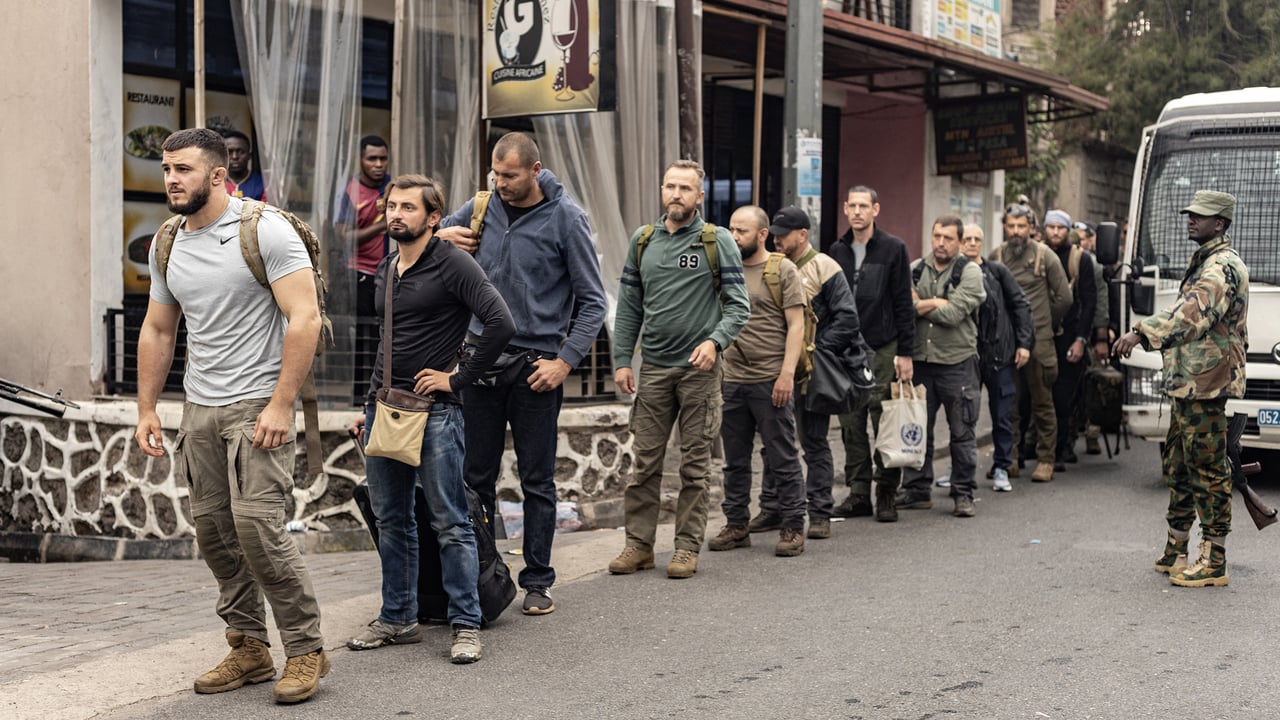
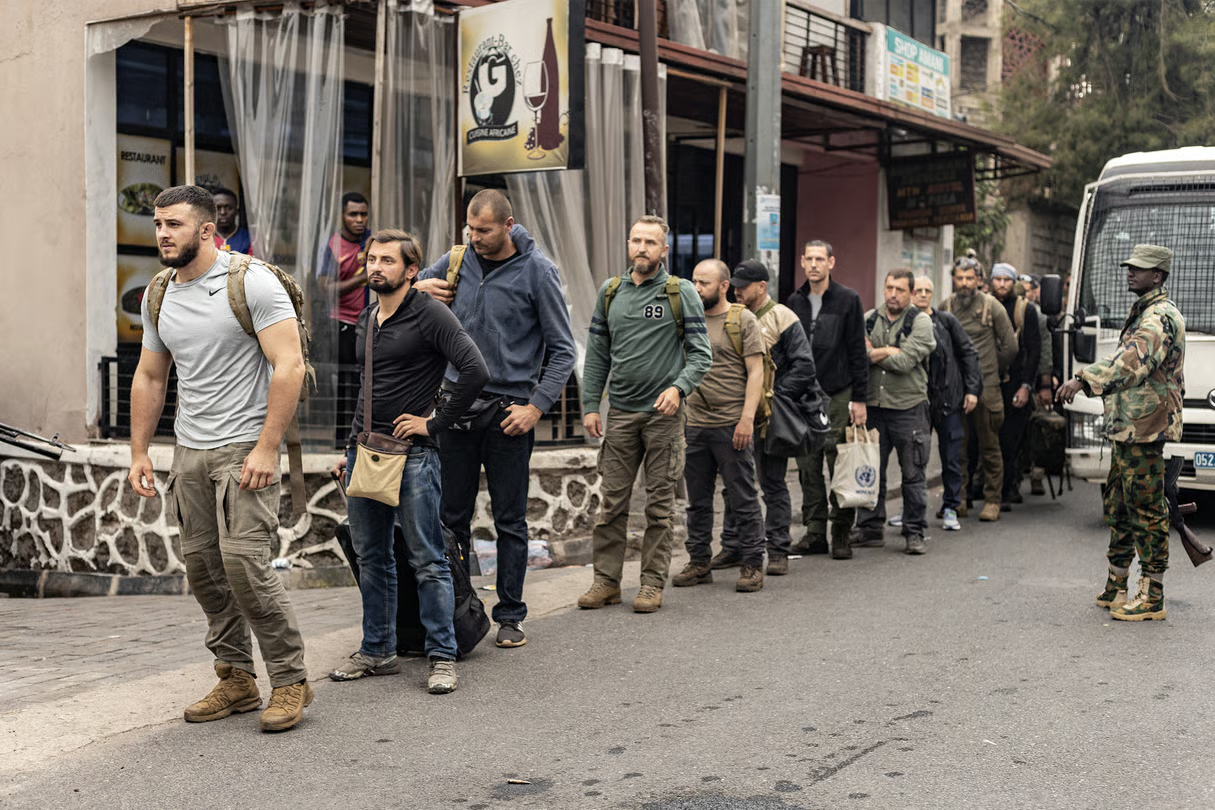
As the M23 rebel group advanced toward Goma, the capital of North Kivu province, in early 2025, the Congolese government in Kinshasa scrambled to assemble a last-ditch defense strategy. This emergency response involved mobilizing both local and international military allies to protect the city from imminent threats.
uncovering a controversial strategy
An in-depth investigation titled “Violence for Sale”, conducted by the Global Initiative Against Transnational Organized Crime, has shed light on a previously undisclosed approach: the Democratic Republic of the Congo (DRC) allegedly outsourced key military operations against the M23 to foreign forces. These foreign fighters, reportedly including mercenaries from Eastern Europe, played a pivotal role in the conflict dynamics around Goma.
military alliances and strategic shifts
The Congolese government’s decision to involve foreign combatants reflects a broader trend in African conflicts, where external military support has become a critical factor in shaping battlefield outcomes. While the DRC has historically relied on regional partners, the deployment of specialized foreign units marks a significant departure from conventional defense strategies.
Analysts suggest that this outsourcing was motivated by several factors:
- Limited domestic capacity: The DRC’s armed forces faced persistent challenges in countering the M23’s sophisticated tactics and equipment.
- Urgency of the threat: With Goma under immediate danger of falling to rebel forces, the government sought rapid solutions to bolster its defenses.
- Geopolitical considerations: Strengthening ties with international partners provided both military and diplomatic advantages.
controversy and consequences
The outsourcing of warfare has sparked intense debate among political observers and human rights advocates. Critics argue that relying on foreign mercenaries raises serious ethical and legal concerns, particularly regarding accountability for civilian casualties and violations of international law. Meanwhile, proponents contend that such measures were necessary to prevent a humanitarian catastrophe in the region.
The investigation further reveals that the involvement of foreign fighters may have intensified local tensions, exacerbating an already volatile security situation in the eastern DRC.
what’s next for the DRC?
The revelation of this outsourcing strategy has ignited discussions about the future of military engagements in the DRC. As the conflict with the M23 continues, the government faces mounting pressure to clarify its alliances and ensure compliance with international norms. Meanwhile, civilians in Goma and surrounding areas remain caught in the crossfire, underscoring the urgent need for sustainable peace solutions.