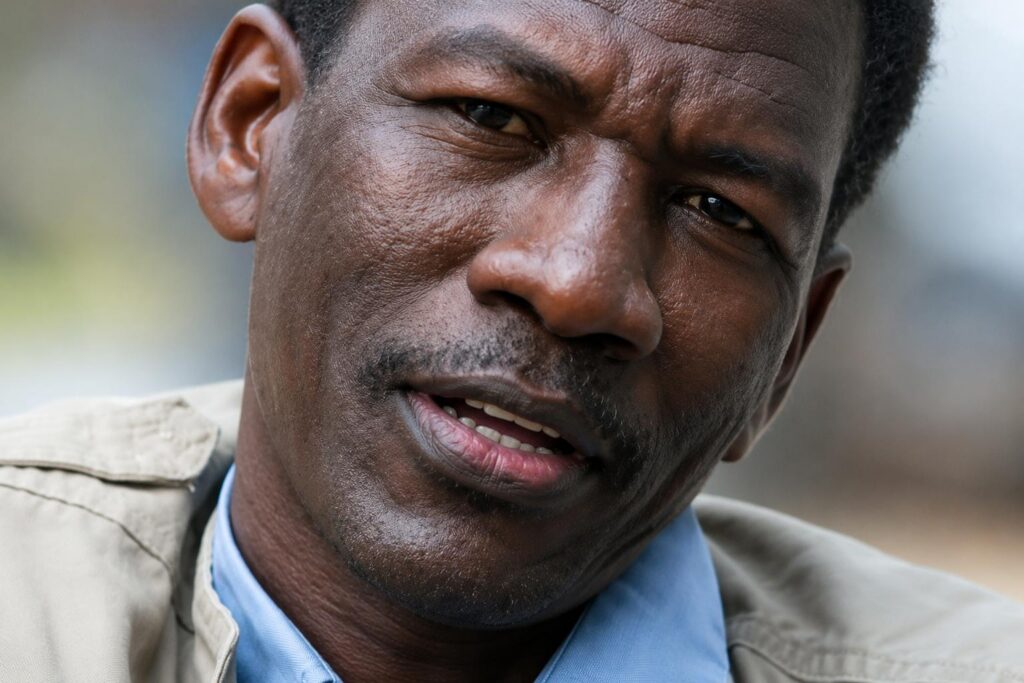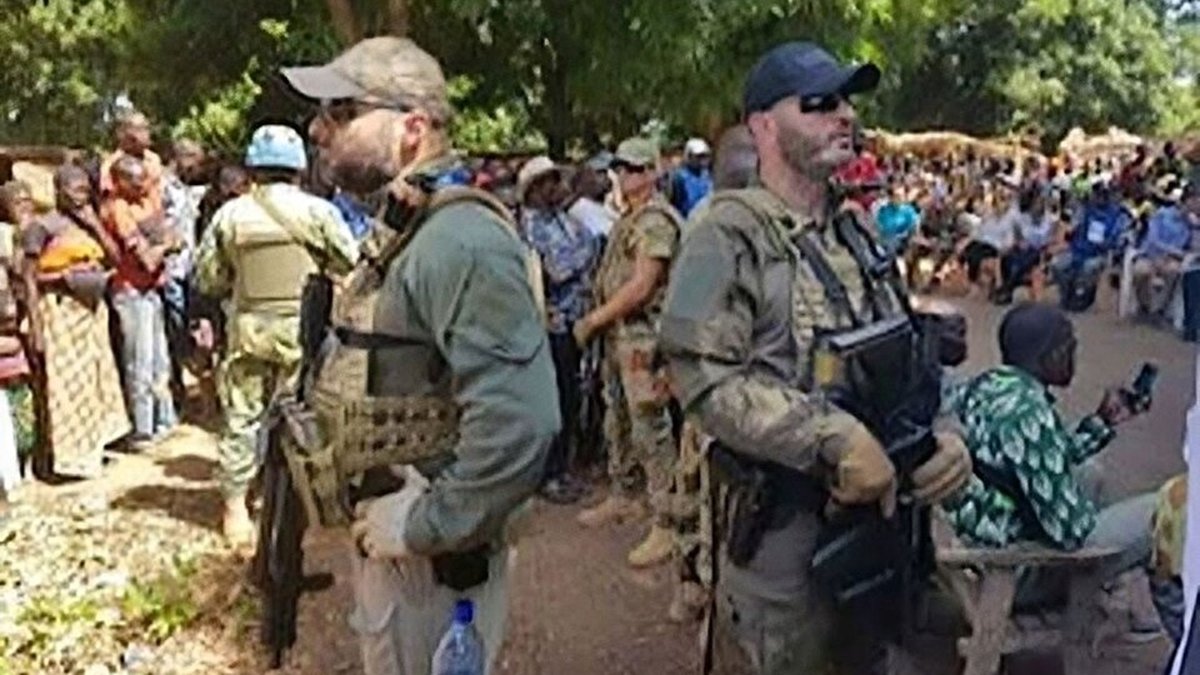
Ephrem Yalike-Ngonzo, a Centrafrican journalist known for exposing the operations of the Russian Wagner Group, has been denied asylum in France despite previously receiving a special travel permit at the request of French authorities. His case has drawn sharp criticism from human rights advocates and anti-disinformation campaigners.
From collaboration to revelation
The 34-year-old journalist was once part of the Russian-backed propaganda machine in the Central African Republic, receiving payments ranging from 15 to 30 euros per article—nearly a quarter of his monthly salary. His role involved promoting narratives favorable to the country’s military and its Russian allies.
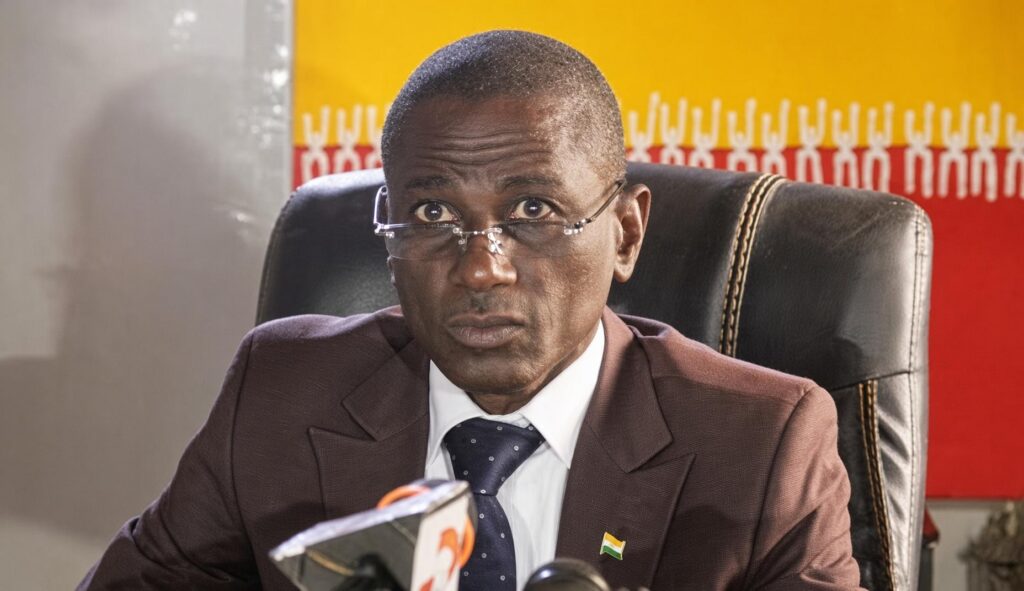
However, in 2024, Yalike-Ngonzo broke ranks and shared critical insights with international investigators. His revelations became a cornerstone of a groundbreaking investigation into Russian influence operations in Africa, leading to the European Union imposing sanctions on key figures, including Mikhail Prudnikov, a central architect of Moscow’s propaganda network in the region.
Facing immediate death threats from Wagner operatives, the journalist fled his homeland with his family. His courageous disclosures not only exposed the extent of foreign interference but also became a testament to the dangers faced by those who dare challenge powerful forces.
Legal limbo and ongoing risks
His asylum application was rejected on July 10, a decision his legal team has swiftly challenged before the Cour nationale du droit d’asile. The appeal process could extend up to a year, leaving Yalike-Ngonzo and his relatives in a precarious situation.
While awaiting the court’s decision, the journalist remains in hiding in France, accompanied by his loved ones. His extended family, still in the Central African Republic, has been subjected to relentless interrogations and pressure to disclose his whereabouts. The ordeal underscores the far-reaching consequences faced by whistleblowers and their families when they expose state-backed threats.
Global implications for press freedom
Legal experts and advocates warn that the refusal of asylum sends a chilling message to those fighting against foreign disinformation campaigns. The case highlights the growing threats faced by journalists in conflict zones and the urgent need for international protection mechanisms for individuals targeted for exposing state-sponsored misinformation.