
Behind the diplomatic curtains of Dakar’s legal landscape, a storm is brewing. The French corporate law firm Gide Loyrette Nouel announced its Dakar expansion through online and social media channels, positioning itself as one of the first international legal entities to establish a presence in Senegal’s capital. Yet, this move has triggered an unprecedented confrontation with the country’s legal establishment, exposing deep-seated tensions over regulatory authority and professional sovereignty.
At the center of the controversy is the planned inauguration ceremony scheduled for November 26, 2026, at the French Residence in Dakar. The Senegal Bar Association, led by its president Me Aly Fall, has fired the first legal salvo, formally notifying the French ambassador in Senegal that such an event would constitute a breach of Senegalese law and demanding its cancellation.
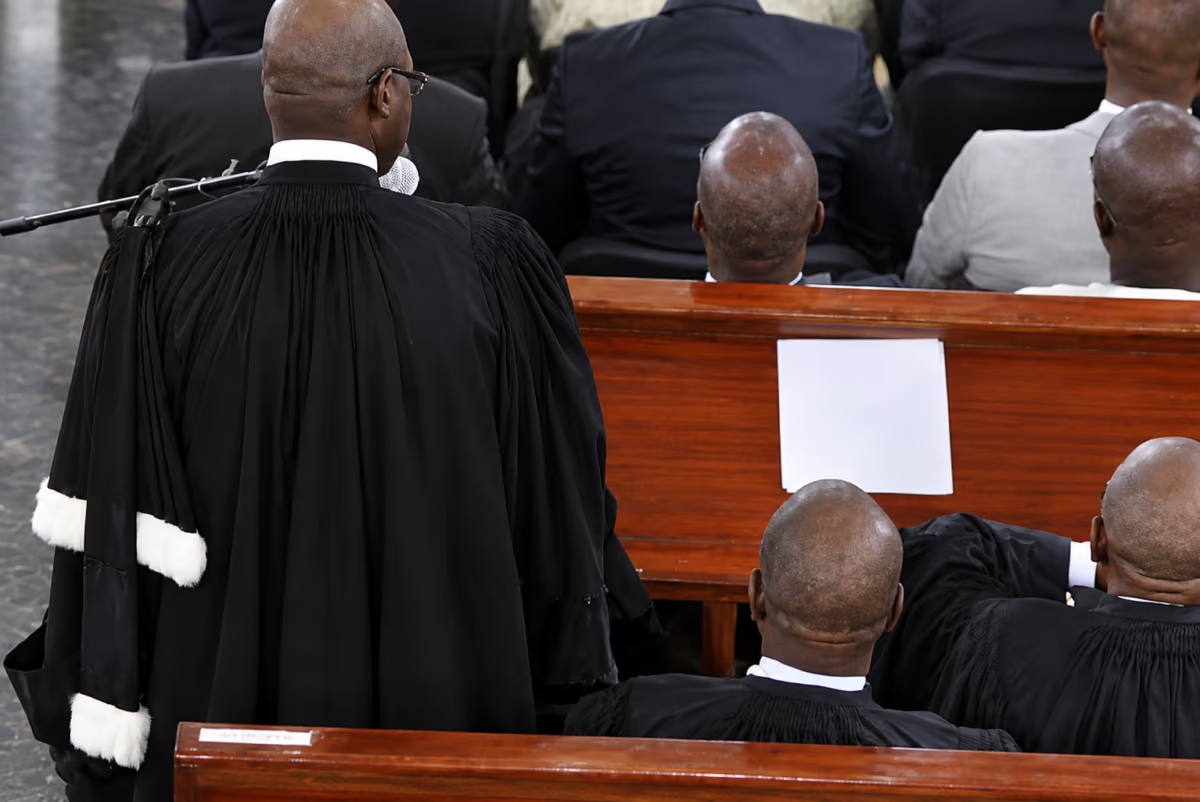
Why the Senegal Bar Association’s opposition runs deeper than surface tensions
The Senegal Bar Association (Ordre des avocats du Sénégal) has made it unequivocally clear: it considers the firm’s planned activities in Dakar as a direct violation of national legislation governing legal practice. According to the Bar’s official communiqué released on November 23, 2026, Gide Loyrette Nouel’s operations constitute illegal practice of law within Senegalese jurisdiction—a claim that holds significant legal weight under the country’s regulatory framework.
The tension escalated when the Bar Association emphasized that it has never been consulted or informed about Gide’s arrival, asserting that the French firm’s initiative bypassed the only legitimate authority empowered to grant such authorization—the Bar itself. This procedural oversight, according to the Bar, represents not just a legal breach but a deliberate act of defiance toward both Senegalese legal institutions and fellow bar associations across the West African Economic and Monetary Union (WAEMU).
The core of the dispute: Regulatory sovereignty vs. international expansion
At its core, this clash is not merely about a French law firm setting up shop in Dakar—it is a fundamental question of who controls the gateway to legal practice in Senegal. The Bar Association maintains that without its explicit authorization, no foreign entity can legally provide legal services within the country. This includes:
- Advice on Senegalese law
- Representation before Senegalese courts or administrative bodies
- Any form of legal consultancy that touches on Senegalese jurisdiction
Gide Loyrette Nouel’s public communications have emphasized its global expertise and international reach, yet the Senegalese legal body interprets these claims as irrelevant within the context of local law. The Bar’s stance is rooted in the belief that only locally accredited lawyers—subject to Senegalese regulatory oversight—can uphold ethical standards and protect national legal interests.
From protest to prosecution: Legal consequences unfold
The Bar Association has not limited itself to rhetoric. In a decisive move, it announced the filing of a formal complaint with competent judicial authorities, vowing to pursue all legal avenues to sanction what it deems an unlawful operation. This action signals that the dispute is entering a critical phase, where legal consequences may extend beyond warnings to tangible penalties for the firm or its representatives operating in Senegal.
The complaint explicitly cites violations of Senegalese law governing the practice of law, including provisions that criminalize the unauthorized provision of legal services. While the outcome of these proceedings remains uncertain, the legal initiative underscores the Bar Association’s resolve to defend what it views as the integrity of the legal profession in Senegal.
Diplomatic dimensions: A cautionary note for international firms
Beyond the courtroom, the controversy carries diplomatic implications. By raising concerns directly with the French ambassador in Dakar and calling for the cancellation of the inauguration event, the Bar Association has elevated the matter to a bilateral level. This diplomatic channel suggests that the firm’s expansion strategy may face broader challenges, as local authorities push back against what they perceive as circumvention of national regulatory processes.
The unfolding situation serves as a case study for international law firms eyeing emerging markets. It highlights the importance of early engagement with local legal institutions, transparent communication with host governments, and strict adherence to national regulations—a trifecta of compliance that can make or break an expansion initiative.
Looking ahead: What’s next for Gide and Senegal’s legal sector?
The immediate future hinges on three critical developments: the Bar Association’s legal complaint, the potential outcome of diplomatic negotiations, and Gide Loyrette Nouel’s response strategy. Will the firm seek to negotiate authorization with the Bar Association, or will it challenge the legal basis of the complaint in court? These questions remain unresolved, but one thing is clear: Senegal’s legal establishment is signaling that it will not tolerate circumvention of its regulatory authority.
For international firms, this incident serves as a reminder that success in foreign markets is not solely determined by global reputation or financial resources—it is contingent on respecting the legal and institutional frameworks that govern professional practice in host countries. As the legal battle unfolds, all eyes will be on Dakar to see whether the Bar Association’s resolve translates into a precedent-setting victory for regulatory sovereignty over unchecked international expansion.