The African Union’s (AU) latest peace facilitation mission in eastern Democratic Republic of Congo (DRC) has entered a critical phase, but observers warn it risks becoming yet another symbolic gesture unless deeper structural issues are addressed. As delegates led by former Ethiopian President Sahle-Work Zewde traverse North Kivu and Ituri this week, their findings—if accurately captured—could expose uncomfortable truths about the AU’s role in a crisis that has persisted for decades.
The mission’s quiet beginnings and mixed reception
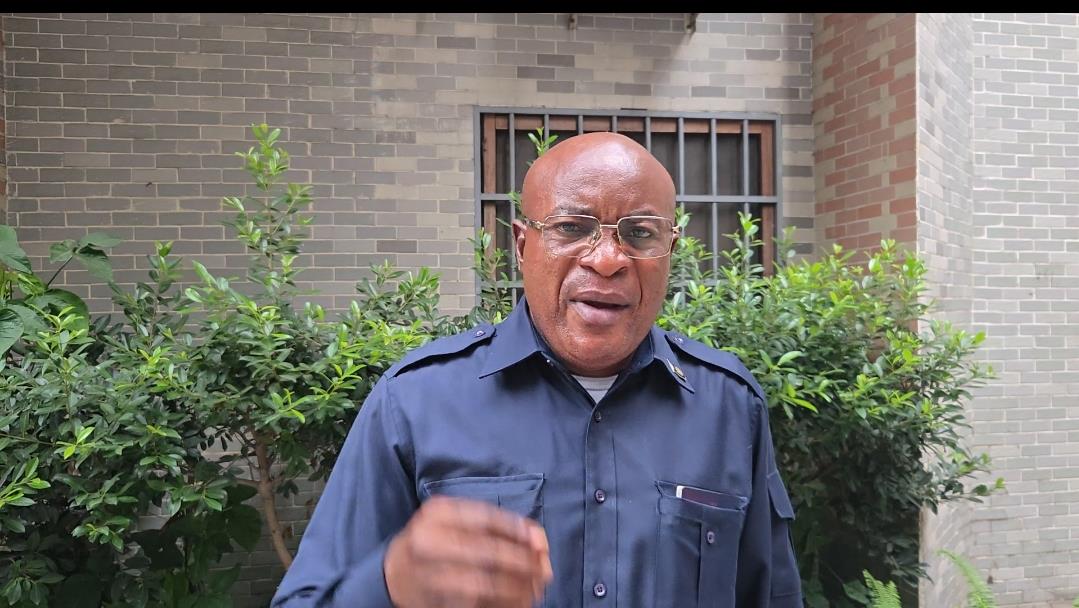
The delegation arrived in the eastern DRC this week, beginning consultations in Beni before moving on to Bunia, Ituri. While greeted by provincial authorities, the visit has triggered cautious skepticism among local leaders who have witnessed repeated interventions without lasting change. Former Beni mayor Achille Kapanga echoed this sentiment, emphasizing that while the presence of African Union facilitators is a positive sign, history suggests it may not translate into effective action.
« We welcome the delegation’s arrival in North Kivu—it’s better than nothing. But we’ve seen delegations come and go before, and the guns have only gotten louder, » Kapanga stated during a closed-door briefing. « This mission must not be a photo opportunity. It needs to return with real demands, not just statements. »
Why sanctions and solidarity remain missing from the equation
At the heart of the frustration lies a fundamental question: Why has the African Union not imposed sanctions on neighboring states believed to be fueling insecurity in eastern DRC? The silence from Addis Ababa, observers argue, reveals a deeper disconnect between continental rhetoric and on-the-ground realities.
Kapanga highlighted a glaring contradiction: « How can a neighbor attack your country, destabilize your region, yet the African Union says nothing? That’s not diplomacy—it’s complicity. It undermines the very idea of African solidarity. »
This inaction has left civilians in eastern DRC feeling abandoned. Over the years, repeated cycles of violence linked to armed groups allegedly backed by foreign elements have displaced millions, with little accountability. The AU’s facilitation mission, while a step forward, must now confront the hard truth: without concrete consequences for regional aggressors, any peace process remains hollow.
A broader pattern: promises without follow-through
The current mission follows a long history of AU involvement in DRC peace efforts—from the Pretoria Accords in 2022 to earlier rounds of dialogue mediated under AU auspices. Yet despite these efforts, violence continues, and civilians remain trapped between armed factions and weak state presence.
As civil society voices grow louder, the AU faces increasing pressure to move beyond symbolic visits and adopt a more assertive stance. The challenge is clear: will this mission serve as a turning point, or will it join the long list of initiatives that promised peace but delivered only more uncertainty?
What needs to change now
- Accountability for aggressors: Without sanctions or punitive measures against external actors destabilizing eastern DRC, the AU’s role risks being seen as symbolic rather than substantive.
- Civic engagement: Local perspectives—like those voiced by former officials such as Kapanga—must be integrated into AU policy, not just recorded as observations.
- Clear benchmarks: The AU must set measurable goals during this mission, ensuring follow-up mechanisms are in place to prevent the cycle of unfulfilled promises.